A data breach doesn’t have to hit the company you shopped with directly to put your information at risk.
That’s the lesson from this week’s Pokémon Center breach. Customers in the United Kingdom and Germany are being notified that personal and order information was exposed after attackers compromised CEVA Logistics, the third-party company used to fulfill and ship Pokémon Center orders.
The good news: Pokémon Center says CEVA did not have access to customers’ payment-card information.
The bigger concern is what criminals could potentially do with the information that was exposed, particularly when it can make a phishing message look unusually convincing.
What Happened in the Pokémon Center Data Breach?
According to breach notifications reviewed by BleepingComputer, attackers may have obtained Pokémon Center customers’ full names, mailing addresses, phone numbers, email addresses, and information about the products they ordered. The affected customers were in the UK and Germany.
The intrusion occurred at CEVA Logistics rather than Pokémon Center itself. Reporting indicates attackers accessed CEVA systems between late July and August 1, disrupting operations at eight European warehouses and affecting multiple retailers. Valve previously notified European Steam hardware customers that their information had also been exposed through the CEVA incident.
Why Does Shipping Data Matter to Scammers?
A name and email address may not seem as sensitive as a credit-card number. But when criminals also know your address, phone number, and what you recently bought, they have something valuable: context.
Context helps scammers make phishing messages believable.
Phishing is when a criminal pretends to be a trusted company or person to persuade you to click a malicious link, hand over a password, share personal information, or send money.
After a breach like this, criminals could potentially impersonate Pokémon Center, a delivery company, or another retailer and reference details that make their message feel legitimate.
They might claim an order needs to be rescheduled, a delivery fee must be paid, or a refund is waiting. Knowing that you really placed an order can make the bait much harder to spot.
Importantly, there is currently no evidence that the stolen Pokémon Center information is being used in such a campaign. But personalized phishing is a common reason breached contact and transaction information deserves attention.
Key Takeaways
Pokémon Center says the breach occurred at its logistics provider, CEVA, not its own shopping platform.
Names, addresses, phone numbers, email addresses, and order details may have been exposed.
Pokémon Center says payment-card information was not available to CEVA.
Real order details could make future phishing or delivery scams appear more credible.
Customers should independently verify unexpected messages about refunds, cancellations, or deliveries.
3 Easy Safety Actions to Take If Your Information Is Exposed in a Data Breach
Getting a breach notification doesn’t necessarily mean someone has already misused your information. It does mean you should take a few steps to make that information harder to use against you.
1) Find out exactly what was exposed. Read the company’s breach notice carefully. An exposed email address calls for different precautions than a stolen password, Social Security number, financial information, or medical record.
2) Secure the accounts that could be at risk. Change any exposed or reused passwords, use a unique password for every account, and turn on multi-factor authentication where it’s available. If sensitive financial or identity information was stolen, consider a credit freeze or fraud alert as well.
3) Be extra skeptical of messages that know something about you. Breached information can help scammers create convincing emails, texts, and calls. A message that knows your name, address, recent purchase, or other real details isn’t necessarily legitimate. Go directly to the company’s website or app to verify unexpected requests rather than clicking a link or calling a number in the message.
How McAfee Protects Against Breaches
Before a breach
Personal Data Cleanup reduces your digital footprint by removing your personal information from many data broker sites, making it harder for scammers to find and target you.
Online Account Cleanup scans for accounts you no longer use and helps you delete them, along with your personal info.
During a breach
Identity Monitoring watches for your personal information, including email addresses, driver’s license numbers, passport numbers, bank accounts, credit cards, Social Security numbers, phone numbers, and more, across the dark web and known data leaks.
Plus, we alert users on average up to 10 months earlier than similar services, so you can act fast when your personal information appears where it shouldn’t.
After a breach
Scam Detector identifies suspicious texts, emails, and links that often follow major breaches, while web protection blocks malicious websites designed to steal even more of your information.
Other Scam and Security News This Week
FBI warns about callers impersonating federal agents. The FBI’s Boston Division is warning about scammers who spoof its real phone number, pretend victims are connected to crimes, and then try to move conversations onto encrypted messaging apps. The key reminder: caller ID can be faked, and the FBI says it will not call private citizens to demand payment, threaten arrest, or request sensitive information.
CareCloud breach grows to more than 3.75 million patients. Healthcare technology company CareCloud has confirmed with federal regulators that hackers stole personal and medical information belonging to more than 3.75 million people, including Social Security numbers, health information, government-issued ID numbers, and some financial data. Because medical and identity information cannot simply be replaced like a password, affected people should take breach notifications particularly seriously.
Hacker claims millions of corporate directory records were stolen. A cybercriminal known as “TheHatman” is offering databases allegedly taken from the Microsoft Azure and Entra environments of several major companies, although some named organizations dispute that their current systems were breached and say portions of the information appear old. Even older employee information can still be useful for impersonation and targeted phishing, so the claims are worth watching without treating every advertised dataset as independently confirmed.
✓ Treat unexpected delivery messages with caution. Open the retailer or carrier’s official app or website instead of following a link in a text or email.
✓ Don’t trust caller ID alone. Scammers can spoof a legitimate organization’s real phone number.
✓ Use unique passwords and multi-factor authentication. Stolen personal information becomes more dangerous when criminals can also get into your accounts.
✓ Pay attention to breach notices. Knowing exactly what information was exposed helps you recognize the scams criminals may try next.
And we’ll be back next week with more cybersecurity news and scam alerts.
McAfee Labs’ latest investigation into the WeedHack malware campaign found that the threat has continued to evolve even after its original command-and-control infrastructure was disrupted by McAfee. Researchers identified multiple active websites still distributing WeedHack to gamers, often by impersonating legitimate Minecraft clients, offering paid tools for free, or using trusted platforms to make malicious downloads appear credible.
Among the findings:
→ More than 6,300 attempts to access malicious sites were blocked by McAfee WebAdvisor in the past month.
→ Researchers found lookalike gaming websites designed to closely replicate legitimate projects, including their branding, feature lists, FAQs, installation guides, developer credits, and links to genuine GitHub repositories.
→ In one case, the top two Google results observed by researchers for a popular Minecraft client led to sites distributing WeedHack, demonstrating how SEO poisoning can put malicious downloads directly in gamers’ paths.
→ Nearly half of the malicious URLs identified were Discord links (49.6%), followed by MediaFire (23.4%) and GitHub (8.2%), showing how attackers can use familiar platforms alongside fake websites to distribute malware.
→ Researchers also identified a malicious site built using an AI-powered website creation platform, illustrating how readily available tools can make it easier to launch convincing new malicious sites.
Threats like these show why protection needs to start before a malicious download ever reaches your device. McAfee helps block dangerous websites and downloads before malware has a chance to install, helping you stay focused on the game.
Threats like these show why protection needs to start before a malicious download ever reaches your device. McAfee helps block dangerous websites and downloads before malware has a chance to install, helping you stay focused on the game.
Background
2026 has seen a significant shift in malware tactics, where traditional perimeter breaching techniques are being traded in for more elusive methods, such as AI-powered phishing and widespread deployment of Info-stealer malware. Over 560,000 new malware variants are detected every day, with infostealers accounting for the most active category.
McAfee Labs has also seen a significant spike in Malware-as-a-service (MaaS) campaigns, that offer their customers access to sophisticated infostealers and backdoor malware samples at minimal cost. These campaigns provide detailed tutorials to their customers, teaching them how to target popular gaming software, develop authentic-looking websites, and implement SEO Poisoning techniques in order to bamboozle gamers and infect their systems.
Introduction
Recently, McAfee Labs has covered a Malware-as-a-service campaign, called ‘Weedhack’ that infected over 116,464 gamers and utilized SEO Poisoning techniques to infect such a large user base.
While uncovering the depths of this campaign, we’ve encountered multiple websites and file hosting services that are still active and distributing WeedHack malware. In this article, we cover some of the most prominent examples we’ve encountered in the wild to educate our readers and provide key insights on how to identify and avoid such malicious websites.
Note: This list is not exhaustive, and there may be additional websites that are not covered in this article.
Malicious websites spreading WeedHack
During our investigation of this campaign, we observed that most of these websites appear legitimate, as they are well-crafted and often mimic legitimate websites. We observed a series of dedicated brand-impersonation attacks targeting several popular Minecraft clients.
We published the original article in the first week of July, and, as a result, we’ve seen a disruption in WeedHack’s campaign: its C2 server is no longer active. Consequently, we have observed a shift in tactics by these attackers.
The WeedHack Dashboard has been taken down, yet we’ve discovered websites that are actively spreading WeedHack malware.
Out of these URLs, most belonged to file-hosting services:
49.6% were Discord links
23.4% were MediaFire links,
8.2% were GitHub links
4.6% were Dropbox links
The remaining URLs were customer-facing websites designed to deceive users.
In the last month, McAfee WebAdvisor has prevented more than 6,300 users from accessing these malicious websites. At the time of writing this blog, the following websites were still distributing WeedHack malware.
Figure 1: glazed-client landing page
This website ‘glazed-client.com’ replicates the original website called ‘glazedclient.com’. It provides a free and open-source Minecraft add-on called ‘Glazed Client’ designed specifically for DonutSMP server. The website contains a feature list, along with Archive, Credits, and FAQ sections,that are identical to those on the original website.
Figure 2: Feature list
Under the download section, the websiteprovides three download options, and all of them are infected with WeedHack.
Figure 3: Download Section
This website has a GitHub link, which links to alegitimate GitHub repositoryin order to build trust with the visitors.
Example 2– radium-client.com
Figure 4: radium-client landing page
The website ‘radium-client.com’ is replicating a legitimate website called ‘radiumclient.com’.The original website offers Minecraft client for $9.99 per month, but the malicious website offers the same tool for free.
The malicious replica also has a detailedfeatureand download section. The downloaded JAR file is infected with WeedHack.
Figure 5: feature list and download button
In this instance, the malicious website contains a discord link, similar to the original website, but it pointsto a channel called ‘EasyClients’, that has over 1,900 members.
Figure 6: EasyClients Discord Channel
This channeloffers 7 differentDonutSMP clients for free (Image 7, Highlighted in Red) which are also infected with WeedHack.
Figure 7: EasyClients Discord Channel
Example 3 – seedcrackerx.github.io
Figure 8: SeedCrackerX’s landing page
In this example, we see GitHub’s web hosting service ‘GitHub.io’ being exploited by attackers. Here they are impersonating ‘SeedCrackerX’ tool, which is a Minecraft seed crackingsoftware capable of identifying the exact world seed used to generate a Minecraftworld.
Figure 9: FAQ section
Here, the malicious websites imitate the original website ‘seedcrackerx.com’, by replicating its fonts and color palette. The website also includes an elaborate tutorial and FAQ section, educating the visitors on how to properly install the tool.
Figure 10: Download section
Under the download section, the website offers seven versions to choose from, but all of them are infected with WeedHack. (Highlighted in Red)
This malicious website has also linked the genuine GitHub repository hosting the SeedCrackerX tool (Highlighted in Green), to appear more legitimate.
Example 4 – xenoclient.lol and xenonclient.com
Xenon Client is one of the most popular Minecraft Clients, known for being lightweight, community driven and offering niche vanilla-friendly utilities. Given its widespread popularity, this client is a prominent target for threat actors.
Figure 11: Google search results for ‘Xenon Client’
During our research, we identified that the top two Google search results for ‘Xenon Client’directed users to websites (Highlighted in Red) that are spreading WeedHack.
Figure 12: Xenoclient.lol Landing Page
The “xenoclient.lol” website is particularly noteworthy, for the range of features and support it offers. The website includes comprehensive download and installation guides, as well as FAQ and Credits sections. Additionally, it lists the original Xenon Client GitHub repository and features a community section for like-minded gamers, further enhancing its professional appearance.
Figure 13: Xenoclient.lol Purchase Options
It offers 2 purchase options for free and premium, where the premium version is listed for $5.
Figure 14: Download Page
The free option, on the other hand, offers six download options for the main client and six additional options for the client optimizer. At the time of writing, only one download link remains operational (highlighted in red), and it delivers a payload infected with WeedHack.
Another website, “xenonclient.com,” is also targeting Minecraft players, luring them with a free version of the same client.
Figure 15: xenonclient.com Landing Page
Similar to other websites in the campaign, this site includes an installation guide and a feature list for the Xenon Client to enhance its apparent legitimacy.
Figure 16: Feature List
The final JAR file downloaded from this website infects users with WeedHack.
Example 5– nova-client.com
Nova client is anopen-source client designed for Minecraft Bedrock Edition.
Figure 17: Nova-Client’s landing page
This client is an easy target for attackers because it lacks an official website.The legitimate client is hosted on GitHub and Modrinth; however, attackers have created a spoofed website and leveragedSEO poisoning techniques to outrank the official sources in search results.
Figure 18: Feature Section
This website also includes a Features page, installation guide, and FAQ section. In addition, it displaysscreenshots from the legitimate Nova Client to deceive users. What is interesting here isthat attackers havealso included a credits section, which is common with legitimate Minecraft client websites.However, they do not mention anyone who has actually worked on the project and instead used generic team names.
Figure 19: Credits Section
The download section provides Nova Client for Minecraft 1.21.11, but the download file spreads WeedHack malware.
Figure 20: Download Section
Example 6 – cheatlib.xyz
CheatLibadvertises that their clients have been downloaded over 1.6 million times,are free from malwareand offers round-the-clock support.
Figure 21: CheatLib’s landing page
Similar to other such websites, it also features a setup guide and a FAQ section to address common user issues.
Figure 22: Status Section
They provide eight Minecraft Mods and inform users which Minecraft servers and anti-cheat systems they can bypass, as well as the current status of each mod.
Figure 23: Download Section
Although the website offers eight distinct mods, all eight files share the same hash and distribute the WeedHack payload.
Figure 24: CheatLib Discord Channel
This website also links to a Discord channel called ‘CheatLib’ with over 220 users, which also provides access to WeedHack infected mods.
Example 7 – meteorclients.com
Figure 25: Meteor Client’s landing page
This malicious domain ‘meteorclients.com’ is impersonating a legitimate website ‘meteorclient.com’.They claim that this client has been downloaded over 10 million times and has over 15 thousand active users at any given time.
Figure 26: Team Section
The Team section contains the names of the legitimate Meteor Client developers, which appear to have been copied from the project’s official website,to create an appearance of authenticity.
Figure 27: Preview Section
They also provide an interactive preview of Meteor client on the website, enabling users to test and familiarize themselves with the client.The website offers a single download option, which is infected with WeedHack.
Example 8– 22qq-client.com
22qq-client is a Minecraft Mod for Crystal PVP servers.
Figure 28: 22qq-client’s Landing Page
This mod does not have a dedicated website, and attackers are exploiting this issue. This website is meant toserve as the official page for the client.
Figure 29: FAQ section.
The attackers attempt to establish credibility by using screenshots from the legitimate client.
Figure 30: Preview of 22-qq.
They also offer an interactive preview of the client to give users an overview of its functionality. This website provides multiple download buttons, but all of them download the same JAR file, which is infected with WeedHack.
Example 9 – kryptonclientcrack.lovable.app
Krypton Client is a paid Minecraft tool for DonutSMP server, hosted on ‘kryptonclient.org’. This malicious counterpart claims to offer a cracked version of the tool.
Figure 31: Krypton’s Landing Page
The attackers have used an AI-powered tool called ‘lovable.app’ that allows customers to build and launch functional web applications and websites, using natural language. Such toolsmake it easier for attackers to deploy new malicious domains on the fly.
Figure 32: Download Section
The website claims that the tool has been downloaded more than five thousand times and has been thoroughly tested for safety. They offer a single download option, which is infected with WeedHack.
Example 10 – File Hosting Services
In the course of our investigation, we observed that multiple attackers were exploiting various file hosting services to spread malware.
Figure 33: GitHub Repository spreading WeedHack
Links to these websites are then distributed via different communication channels, such as Discord, Reddit and other online platforms.
Figure 34: GitHub Repository spreading WeedHack
We also observed that threat actors extended their targeting beyond Minecraft clients, compromising various popular and independent community websites within the Minecraft ecosystem.
Figure 35: Planet Minecraft
At the time of this analysis, the following Planet Minecart links were spreading WeedHack malware.
Similarly, we observed another community website, called EndMods was also targeted by WeedHack.
Figure 36: EndMods
The following link is still active, at the time of publication, and is still spreading the WeedHack malware. hxxps://endmods.com/wp-content/uploads/2026/02/KRYPTON-CLIENT1.0.zip
How To Protect Yourself Online
At McAfee Labs, we investigate threats across the digital landscape, and gamers are a frequent target. We’ve seen multiple malware-as-a-service campaigns similar to WeedHack use fake downloads, impersonated websites, malicious mods, and other lures to target gaming communities.
AI-powered tools can make it faster and easier for scammers to create convincing websites, imitate legitimate services, and launch new campaigns at scale. That makes it even more important to know what you’re downloading, and where it’s coming from.
Here are a few ways gamers can stay safer:
→ Stick to trusted sources. Download games, mods, clients, and other files from official developer websites or reputable mod platforms whenever possible. If you can’t verify the source, don’t download it.
→ Never turn off your security software for a download. Be suspicious of any mod, cheat, or client that tells you to disable your antivirus or other protections before installing it.
→ Scan files before opening them. Check downloaded mods, installers, and archives before running them — even if they came from a popular gaming community or website.
→ Be skeptical of offers that seem too good to be true. “Free” premium features, exclusive cheats, cracked software, or paid clients can be used as bait to convince gamers to download malware.
→ Check the URL before you download. Scammers can create lookalike domains and convincing copies of legitimate gaming sites. Small changes in a web address can be a sign you’re on an impersonation site.
→ Pay attention to security warnings. If your antivirus flags a download, don’t automatically assume it’s a false positive. Stop and investigate before allowing the file to run.
→ Keep your devices and software updated. Install updates for your operating system, browser, games, and security software to help protect against known vulnerabilities.
Millions of gamers are counting down the days until this fall’s biggest releases.
After more than a decade of anticipation, Grand Theft Auto VI is finally set to launch this November. Surprise indie hit Meccha Chameleon has exploded across Twitch and YouTube after selling millions of copies within days. And highly anticipated titles like Call of Duty: Modern Warfare 4, Minecraft Dungeons 2, Phantom Blade Zero, Marvel’s Wolverine, and dozens of others are keeping players glued to trailers, wishlists, Discord servers, and preorder pages.
Scammers are watching those trends.
Whenever millions of people rush to search for the same game, criminals quickly create fake downloads, unofficial mobile apps and servers, counterfeit storefronts, phishing pages, and cheat toolsdesigned to steal money, credentials, or personal information.
This year is no exception.
Here’s how scammers are taking advantage of 2026’s biggest gaming moments, and how you can avoid becoming their next target, according to McAfee’s experts:
The Most Common Gaming Scams and How to Avoid Them, According to McAfee
Most gaming scams fall into a handful of predictable categories. Once you know what to look for, they’re much easier to spot.
Here are some of the most common scams McAfee protection prevents
Since January 2026, the campaign has infected more than 116,000 devices, averaging roughly 2,000 to 3,000 new infections every day. Attackers lured players through fake mod websites and convincing YouTube videos before installing malware capable of stealing passwords, cryptocurrency wallets, Discord credentials, Minecraft accounts, and more.
Ultimately these gaming attacks can expose players to:
Malware infections
Account theft
Password theft
Data breaches
Spyware monitoring cameras and microphones
Spyware monitoring keyboard and mouse inputs
Permanent game bans
One of the campaign’s most concerning findings wasn’t just the malware itself, it was how inexpensive and accessible the tools had become. The malware was marketed almost like legitimate software, lowering the barrier for inexperienced attackers and helping spread scams throughout gaming communities.
The lesson isn’t to avoid every cheat, unlock, or community-created project. It’s to be skeptical whenever someone promises something that seems too good to be true.
Meccha Chameleon Shows How Quickly Scammers Embrace Viral Games
Few people predicted Meccha Chameleon would become one of the biggest surprise gaming success stories of the year.
The inexpensive indie title reportedly sold more than two million copies within days, fueled largely by livestreams, social media clips, and word of mouth. Unfortunately, that kind of overnight success doesn’t just attract new players.
According to PC Gamer,players have already begun using automated “auto-paint” cheats that scan the environment and instantly camouflage characters, removing much of the creativity and skill the game was designed around.
The game’s popularity has also created confusion about where players can safely download it.
McAfee researchers recently identified multiple Android apps and an unofficial piracy site using the Meccha Chameleon name, despite the game’s independent developer not announcing an official Android release.
Here’s how we saw it play out
First a gamer might navigate to this piracy site to download a free game. The game may not come with malware, but malware is still distributed during the process.
Here we see steamgg[.]net, a piracy site to download free games. Here you see they offer a download of Meccha Chameleon (not malicious).
But when you click download, it opens a misleading new tab like this one below.
This new tab tricks the user into thinking they are downloading a game from steamgg[.]net. They are actually being redirected to a completely unrelated download.
In cases like this, unauthorized sites and apps trick users into giving unwanted access to their information and devices.
Here we see examples of fake versions of Meccha Chameleon uploaded to the Google Play Store
*Note: The unauthorized apps shown here have since been reported and taken down. While not confirmed to be malicious, hundreds of people had already downloaded and given security permissions to these apps.*
“Repackaged or unauthorized apps and sites are a major risk with viral games,” says McAfee Threat Researcher and lifelong gamer Charles McFarland.
“Because many players are unfamiliar with the original developer, it’s easier for unauthorized apps and copycat listings to blend into app stores,” McFarland explains. “Once installed, the app can have free access to your phone’s data, texts, contacts, and more.”
Before downloading a newly popular game, especially on mobile, take a moment to verify that the developer has actually released it for your device.
Is This GTA 6 Download Legit? How to Spot Fake Early Access Scams
If there’s one game scammers are betting people will search for this fall, it’s Grand Theft Auto VI.
Rockstar Games officially opened global preorders on June 25, and the game launches worldwide on November 19, 2026 for PlayStation 5 and Xbox Series X|S. Digital preorders can begin preloading on November 12.
The problem?Those offers promise something Rockstar isn’t selling.
If a website claims it can provide a playable version of GTA 6 before Rockstar’s official launch, treat it as a major warning sign.
Scammers know players have waited more than a decade for the next Grand Theft Auto. They’re counting on excitement to outweigh skepticism.
“Every major game launch brings a noticeable increase in gaming-themed scams. We regularly see McAfee protecting customers from malicious downloads, fake websites, and other threats that capitalize on the excitement around new releases,” McFarland says.
“As a gamer myself, I know the excitement of jumping into a long-awaited game with my son, but it’s worth taking an extra minute to download from an official or authorized source instead of rushing to be first.”
Whenever possible, verify preorder information directly through Rockstar Games or trusted digital storefronts rather than clicking links shared through social media posts, livestream chats, YouTube comments, or unsolicited messages and advertisements.
Official storefront
Trending and Upcoming Games
Steam
Meccha Chameleon, Dune: Awakening, Metal Gear Solid: Master Collection Vol. 2, Silent Hill: Townfall, Call of Duty: Modern Warfare 4, Phantom Blade Zero, No Rest for the Wicked, Planet Zoo 2, Kingdom Hearts Collections, Ace Combat 8, Gears of War: E-Day (PC), Minecraft Dungeons 2 and many other PC releases
PlayStation Store
Grand Theft Auto VI, Marvel’s Wolverine, Phantom Blade Zero, Onimusha: Way of the Sword, Metal Gear Solid: Master Collection Vol. 2, Call of Duty: Modern Warfare 4, Dune: Awakening, Silent Hill: Townfall and other PlayStation releases
Xbox Store
Grand Theft Auto VI, Gears of War: E-Day, Call of Duty: Modern Warfare 4, Dune: Awakening, Ace Combat 8, Kingdom Hearts Collections and other Xbox releases
Nintendo eShop
Rhythm Heaven Groove, Splatoon Raiders, Fire Emblem: Fortune’s Weave, Harvest Moon: Echoes of Teradea, Nintendo Switch Sports Resort, The Legend of Zelda: Ocarina of Time Remake and other Nintendo titles
*Availability may vary by platform as publishers announce additional releases.
If you can’t find a game on one of its official storefronts, that’s a good reason to pause before downloading it elsewhere.
How McAfee Protects Gamers
Gaming should be about exploring new worlds, not accidentally downloading malware.
McAfee helps protect players before, during, and after they click.
Web Protection helps block known malicious websites before fake downloads ever reach your device.
Award-winning antivirus detects and blocks malware hidden inside suspicious installers, cheats, and unofficial software.
If a file is flagged, Threat Explainer provides a clear, plain-language explanation of why it’s considered risky, helping you make informed decisions instead of guessing whether a warning is legitimate.
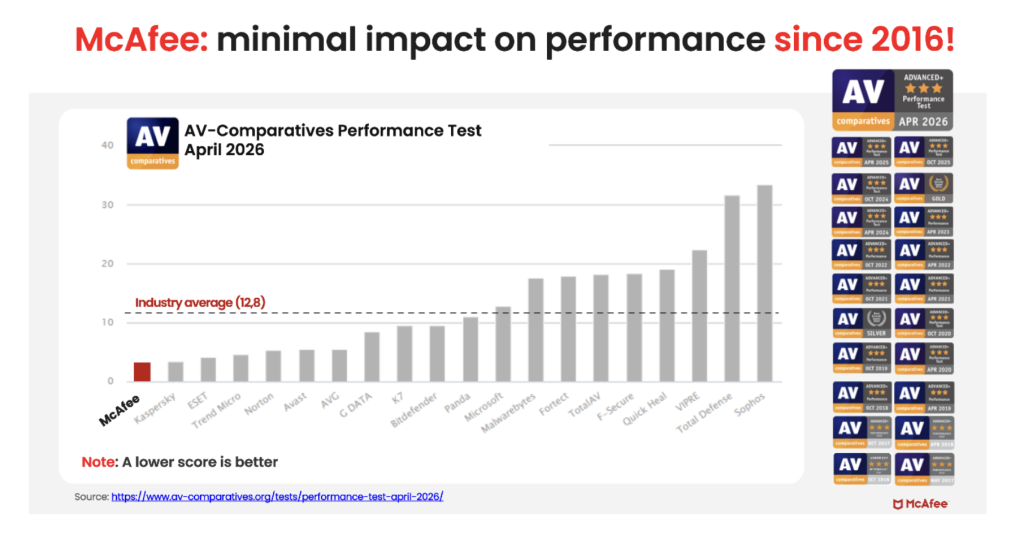
McAfee earned the lowest overall impact score among the 20 products tested and received the highest possible rating, 3 Stars ADVANCED+. In other words, you get strong protection without sacrificing performance or slowing your game.
Whether you’re preordering GTA 6, trying the latest indie hit, or installing a new Minecraft mod, slowing down long enough to verify where you’re downloading from remains one of the simplest, and most effective, ways to protect yourself.
Frequently Asked Questions
FAQs
Q: Is GTA 6 early access real?
A: No. Rockstar Games has announced pre-orders and pre-loading ahead of launch, but there is no legitimate way to play GTA 6 early through unofficial websites. Be wary of any site claiming to sell “VIP access,” beta keys, or downloadable copies before the official release date.
Q: Is it safe to pre-order GTA 6 from any website?
A: Stick to Rockstar Games or authorized retailers and digital storefronts like the PlayStation Store and Xbox Store. Avoid unfamiliar websites advertising deep discounts, exclusive editions, or cryptocurrency-only payments.
Q: Does Meccha Chameleon have an official Android or iPhone app?
A: At the time of writing, the game’s developer has not announced an official mobile version. If you find Meccha Chameleon in an app store, verify that it’s published by the official developer before downloading.
Q: Are game cheats and trainers safe to download?
A: Not always. While some cheats simply modify gameplay, others can contain malware, steal passwords, or compromise gaming accounts. Downloading cheats from unofficial websites or Discord servers carries additional risk.
Q: Can Minecraft mods contain malware?
A: Yes. While many Minecraft mods are legitimate, cybercriminals have repeatedly used fake mods and clients to distribute malware. Download mods only from trusted community repositories or verified developer pages.
Q: How can I tell if a game download is legitimate?
A: Download games directly from the publisher’s official website or trusted digital storefronts like Steam, PlayStation Store, Xbox Store, Nintendo eShop, or Epic Games Store. Avoid links shared through YouTube comments, Discord messages, or unofficial social media posts.
Q: Why do scammers target popular game releases?
A: High-profile launches create excitement and urgency, making players more likely to click on fake download links, preorder scams, cheat tools, or unofficial apps without stopping to verify they’re legitimate.
Q: What are the biggest gaming scams to watch for in 2026?
A: Common gaming scams include fake early access offers, counterfeit game downloads, unofficial mobile apps, cheat software bundled with malware, phishing pages posing as gaming platforms, and fake giveaways promising free games or in-game items.
Q: Can antivirus slow down gaming performance?
A: Some security software can affect system performance, but independent testing has shown that solutions vary significantly. Look for products that perform well in third-party performance benchmarks while still providing strong protection against malware and phishing attacks. McAfee Total Protection recently took first place in the latest AV-Comparatives PC Performance Test, an independent benchmark that measures how much security software impacts your computer’s performance. In other words, McAfee provides strong protection without sacrificing performance or slowing your game.
Q: What’s the safest way to download new games this fall?
A: Buy or download games directly from official publishers and trusted storefronts, keep your operating system and antivirus up to date, avoid unofficial cheats or cracked versions, and verify any unexpected links before clicking.
According to McAfee’s 2026 State of the Scamiverse report, Americans now spend 114 hours a year trying to figure out what’s real and what’s fake online. That’s nearly three full workweeks lost to second-guessing messages, alerts, and links.
And when scams do succeed, they move quickly. The typical scam unfolds in about 38 minutes, leaving little room for hesitation.
That creates a gap: People want to check before they act, but the tools haven’t always met them in that moment.
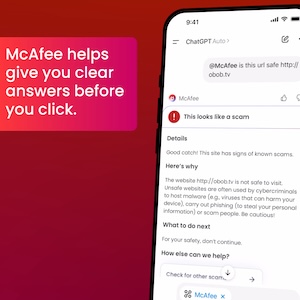
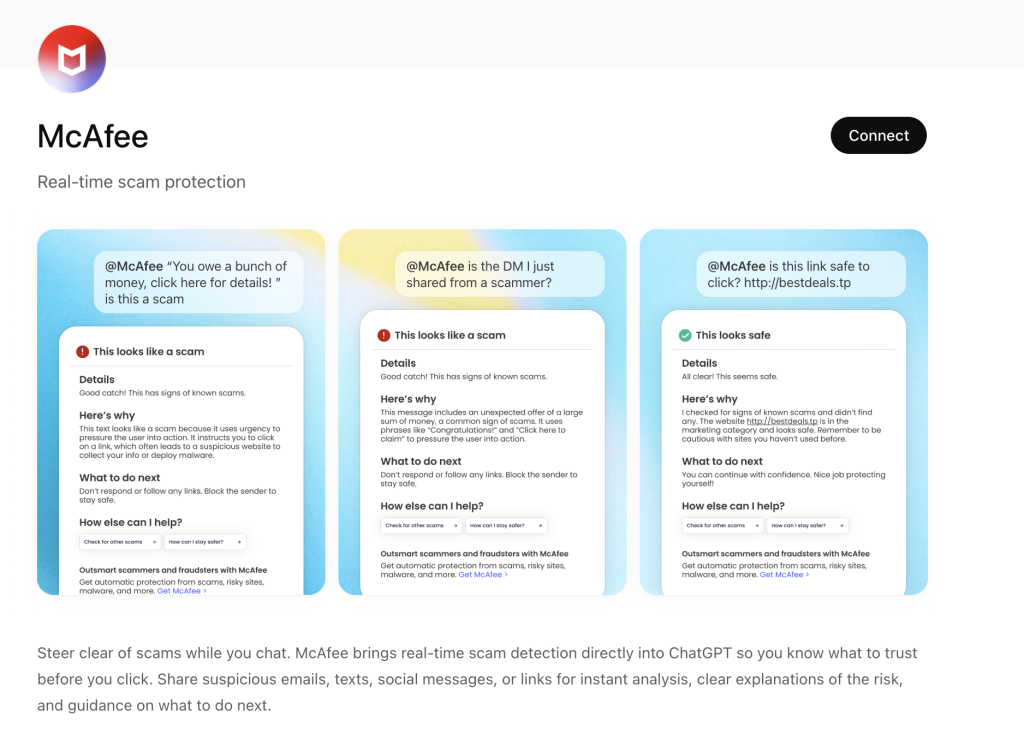
Claude + McAfee is designed to close that gap, bringing scam detection directly to a platform people are already using to ask questions and make decisions.
And it’s available to anyone. You don’t have to be a McAfee subscriber.
This isn’t just detection. It’s guidance in the exact moment you’re deciding what to do.
Instead of guessing, you can paste a message or drop in a screenshot and get a clear explanation of what’s risky, and what to do next, powered by McAfee’s threat intelligence.
How to Use McAfee in Claude
With this integration, checking something suspicious becomes as simple as asking a question.
Paste a message. Drop in a link. Upload a screenshot. And just make sure to @McAfee when you’re asking a question.
McAfee analyzes it and explains what’s going on clearly and in context.
For example, I got this suspicious “job offer” message over the weekend:
So I uploaded it in Claude and asked @McAfee, which caught it right away. You can even see I’m using the free plan.
Here’s how it works:
Feature
What it does
How it protects you
Link safety check
Paste a suspicious URL and get a reputational analysis based on McAfee threat intelligence
Scam links are often designed to look legitimate. A quick check helps avoid phishing and malware
Message analysis
Submit texts, emails, or social messages for evaluation
Many scams now rely on urgency and tone. Analysis helps surface subtle red flags
Screenshot uploads
Upload screenshots of messages or emails for review
Scams don’t always come as clean text. This makes it easier to check what you’re seeing
Clear explanations
Get a breakdown of why something is flagged as risky or safe
Not just a warning—an explanation that helps you recognize patterns next time
Guided next steps
Receive recommendations on what to do next
Helps prevent escalation, especially in moments of uncertainty
It’s a quick, accessible way to get answers in the moment. But it’s just one part of a broader system designed to protect you more comprehensively.
Behind the scenes, Claude + McAfee is powered by the same intelligence that fuels McAfee’s broader scam protection ecosystem.
When you submit something for review:
Links are checked against known threat signals
Messages are analyzed for scam patterns and language cues
Results are translated into clear, human-readable explanations
The goal isn’t just to flag risk. It’s to help you understand it.
A New Way to Stay Ahead of Scams
Scams aren’t slowing down. If anything, they’re becoming more convincing, more personalized, and harder to detect.
That’s where Claude + McAfee comes in. But this is only one part of a much bigger system designed to protect you before, during, and after a scam attempt.
With McAfee+ Advanced, multiple layers work together so you’re not left figuring it out after the damage is done:
Identity Monitoring alerts you if your personal info shows up where it should not, so you can act fast
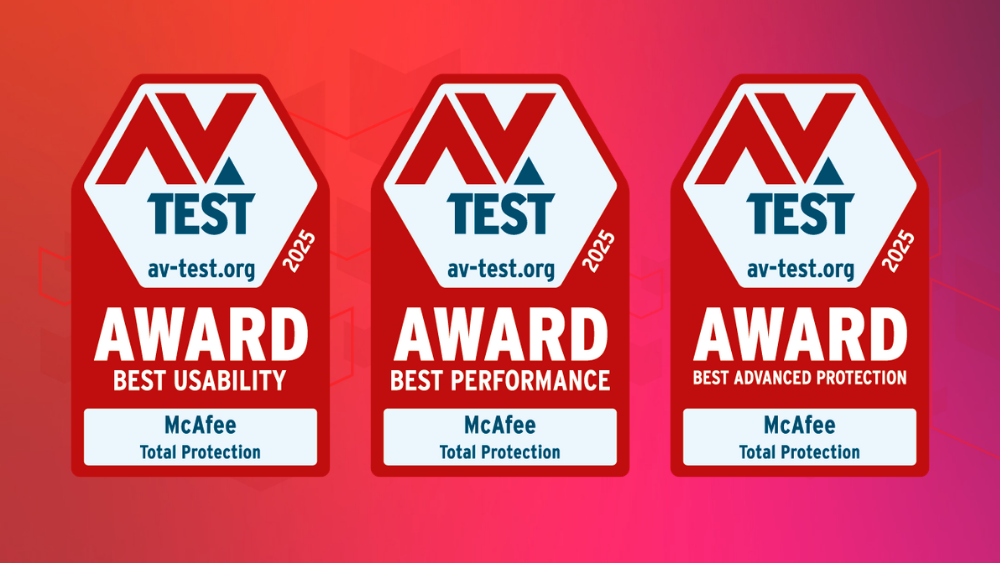
McAfee Mobile Security has once again earned a perfect score from AV-TEST, one of the cybersecurity industry’s most respected independent testing organizations.
The result also earned McAfee AV-TEST’s highest certification for mobile security.
More importantly, this isn’t a one-time achievement. McAfee has earned top certification in every AV-TEST Mobile Security evaluation since testing began in 2013, demonstrating more than a decade of consistently delivering industry-leading protection for Android users.
What is AV-TEST?
AV-TEST is one of the world’s leading independent cybersecurity testing laboratories. Rather than relying on vendor claims, AV-TEST evaluates security products under controlled, real-world conditions using the same types of threats consumers face every day.
Its certifications are widely referenced by:
Security experts and reviewers
Technology publications
Product comparison sites
Consumers researching antivirus software
Because every product is tested using the same methodology, AV-TEST provides an objective benchmark for comparing mobile security solutions.
How McAfee Was Tested
For this evaluation, AV-TEST examined 12 Android mobile security products across three equally weighted categories:
Category
What It Measures
Protection
Ability to detect and block real-world Android malware and emerging threats
Performance
Whether the security app slows down your device or drains system resources
Usability
Accuracy of detections and avoidance of false alarms or unnecessary interruptions
McAfee earned the maximum possible score in all three categories:
Protection: 6/6
Performance: 6/6
Usability: 6/6
Overall Score: 18/18
That means McAfee not only blocked threats effectively, but did so without slowing devices down or generating unnecessary false positives.
Why These Results Matter
Mobile devices have become one of our primary ways to bank, shop, communicate, and manage our digital lives. As cybercriminals increasingly target smartphones with malware, phishing attacks, malicious apps, and credential theft, effective mobile protection matters more than ever.
Independent testing helps separate marketing claims from measurable performance.
McAfee’s latest AV-TEST results demonstrate that users don’t have to choose between strong security and a smooth mobile experience. The protection works quietly in the background, helping keep devices secure without getting in the way.
Even more importantly, this latest certification continues a streak that spans more than a decade. Consistently earning perfect scores across changing threat landscapes reflects McAfee’s ongoing investment in protecting customers against today’s evolving mobile threats.
Mobile Protection You Can Count On
The award-winning protection recognized by AV-TEST is included in:
McAfee+ Premium
McAfee+ Advanced
McAfee+ Ultimate
McAfee Total Protection
McAfee LiveSafe
McAfee Internet Security
McAfee Business Protection
Whether you’re protecting your own phone or your entire family’s devices, you’re getting the same independently tested mobile security that continues to earn top marks from one of the industry’s most trusted testing organizations.
You just got back from a week in Central America. You posted a few shots: the colorful streets of Tulum, a picture of the ancient ruins of Tikal, a close-up of your shrimp tacos. No location tag. No caption naming the city. Just a good photo.
A few days later, you get a message. It references your bank. It mentions suspicious activity “while traveling internationally.” It feels oddly specific, with details about where you were and when. It feels real.
These types of personalized scam messages are a growing tactic. And your own photos may have helped write it.
McAfee Labs set out to understand exactly how much location information exists inside an ordinary travel photo, and what that means for the roughly 244 million Americans who travel each year.
What we found should change the way you think about what you share online: Some AI models have a more than 90% accuracy rate at detecting the location a photo was taken based on the visuals in the photo alone. And critically, that level of accuracy is now achievable using tools that are free and widely accessible.
That’s why we’ve built tools like McAfee’s Scam Detector that are designed to help spot these kinds of highly targeted, convincing messages before they lead to costly mistakes.
What We Tested And Why
The question McAfee Labs wanted to answer was deceptively simple: Can AI look at a travel photo and figure out where it was taken, even without GPS data or location tags?
Not metadata. Not embedded coordinates. Just the image itself: the background, the architecture, the signage, the light; the visual context that any photo naturally captures.
To find out, we built an automated testing pipeline and ran it against a dataset of 21,236 travel images sourced from publicly available image sets. We also conducted a separate, more controlled review of 102 additional images to pressure-test our findings.
We tested two publicly available, large-scale AI vision models that are both freely available. Neither required special access, proprietary data, or advanced technical expertise to run. We used the same tools a scammer could access today.
Each image was analyzed using a consistent automated prompt asking the model to identify the location depicted (city, country, or region) based solely on visual content. Results were then reviewed by human analysts to validate accuracy and flag edge cases.
What We Found: AI Has a Whopping 91% Accuracy Rate
The results were striking.
Gemma3 27B correctly identified the city and country of a travel photo 87% of the time. Qwen3 VL 30B performed even better, reaching 91% accuracy across the same dataset.
That means in roughly 9 out of 10 cases, an AI model that’s available for free, to anyone, could look at an ordinary travel photo and correctly name where it was taken. This kind of analysis is also how AI tools understand images more broadly, shaping not just scams, but how information shows up in AI-powered answers.
And when the exact city wasn’t identified, the country alone was almost always correct. For a scammer, that’s more than enough. It’s also enough to turn a vague, generic scam into one that feels specific, timely, and believable.
What Makes a Photo Easy to Place?
Certain types of images were identified with even higher confidence:
Photos featuring famous landmarks or recognizable skylines
Images taken in popular tourist destinations with distinctive visual signatures
Photos with visible signage, unique street markings, or local architecture
Images that captured cultural context: transportation, storefronts, food stalls
Less recognizable scenery, like a generic beach, a rural road, or a hotel room, lowered accuracy. But even in those cases, country-level identification remained high.
We Tried it. And We Were Spooked.
To illustrate how simple this was to replicate, we moved outside of McAfee’s labs and asked our less-technical colleagues to try it themselves. No research background required. No special tools.
Employees uploaded their own personal travel photos, images pulled straight from their camera rolls and never posted publicly, to ChatGPT, Claude, and Copilot, and simply asked each one to identify where the photo was taken.
The results made people uncomfortable.
Accuracy dropped compared to our controlled lab tests. But not by much. The models still correctly identified country-level location at a rate that would be more than enough for a scammer to craft a convincing, targeted message.
The takeaway isn’t that AI has “seen” your photos somewhere before. It’s that a photograph inherently contains an enormous amount of locating information, in the architecture, the light, the signage, the landscape, simply by virtue of existing in the world. You don’t need to geotag a photo for it to give away where you’ve been.
See It for Yourself
The following section shows real examples of AI geo-location detection in action, using personal travel photos submitted by our research team. No location tags. No metadata. Just the image and what AI found in it.
We started with somewhat recognizable structures in the background, and then tried increasingly more obscure backgrounds, trying to reduce faces and backgrounds to foliage only. This is what happened:
Example 1
Brooke’s honeymoon pictures:This example features a more prominent landmark, helping AI determine the location specifically. When there’s something recognizable, AI really recognizes it, down to giving you the exact spot on the map you’re at, the history of the location, and tourist information.
Here, we see AI correctly state this photo was taken in front of “Temple II, Temple of the Masks.”
Example 2
Sandra’s sunset photo: This example gets moredifficult for AI by removing major landmarks and people. ChatGPT was still able to correctly identify the location as Hastings-on-Hudson.
Example 3
Rob’s close-up shot of flowers: Just the close-up image of these tulips was enough for Claude to accurately detect that this photo was taken at Keukenhof gardens in the Netherlands.
AI was able to identify the location of these flowers in a close up.
How a Photo Becomes a Scam
Knowing where someone is or where they’ve recently been is one of the oldest tricks in a scammer’s playbook. But until recently, getting that information required either knowing the person or getting lucky.
AI removes the guesswork, allowing attackers to build highly specific, contextual scams at scale.
With geo-location inference this accurate, scammers no longer need to cast a wide net and hope a generic phishing message lands. Instead, they can use publicly shared photos to build a believable context around an attack:
“We detected unusual account activity while you were traveling in [city].”
“Your card was flagged for a transaction in [country] — please verify immediately.”
“Hi, we’re reaching out regarding your recent stay at a hotel in [destination].”
“Hi, it’s [your name], I’m in Mexico and all my cards are being declined. Could you send me $$?” (a message targeting your friends or loved ones)
“We noticed a login attempt from your location in [destination] — please confirm your identity.”
“Your reservation in [city] requires reconfirmation — click here to secure your booking.”
This is an example of a scam text detected by our research team. Now, imagine if scammers had more information, like the exact tour you were on, where you were, or the stores you shopped at. These details could make messages like this even more convincing and personalized.
These messages don’t need to be perfectly accurate. They just need to feel plausible and close enough. That is the entire strategy. Familiarity lowers skepticism. Skepticism is what protects you.
This is what turns mass phishing into hyper-personalized phishing at scale, and it’s why even cautious, digitally savvy travelers are getting caught.
The Scammer’s New Workflow
Here’s how straightforward this pipeline can become:
Find publicly shared travel photos on Instagram, Facebook, or X, no hacking required
Run them through a freely available AI vision model
Identify the likely destination, timeframe, and context
Craft a targeted message referencing that location
Send it during or shortly after the travel window, when the victim is most likely to believe it
Steps 1 through 5 can be automated. The whole process scales easily. And the resulting messages feel personal in a way that generic scams never could.
The Broader Scam Landscape Travelers Face
Geo-location inference doesn’t exist in a vacuum. It’s one tool in a growing arsenal that scammers deploy specifically against travelers.
Travelers are operating outside their normal routines, using unfamiliar networks, and making quick financial decisions under time pressure. These behaviors are exactly what make photo-based location inference more actionable for scammers.
New McAfee consumer research found that more than 1 in 3 Americans have encountered a travel-related cyberthreat, and 41% of those impacted lost money, often exceeding $500. At the same time, rising travel costs and time pressure are pushing people toward faster, riskier decisions. Those are exactly the conditions scammers are built to exploit.
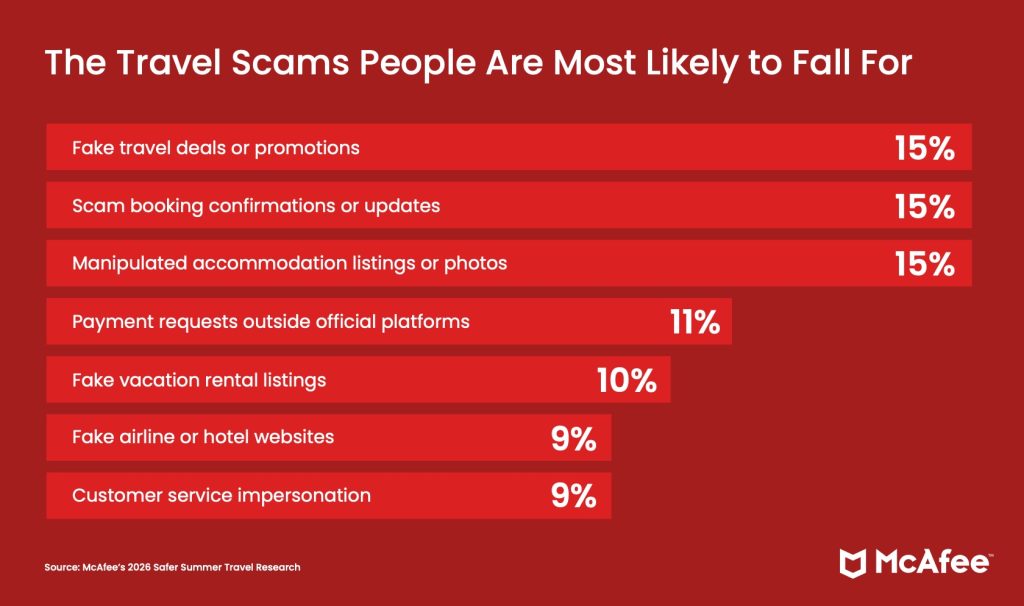
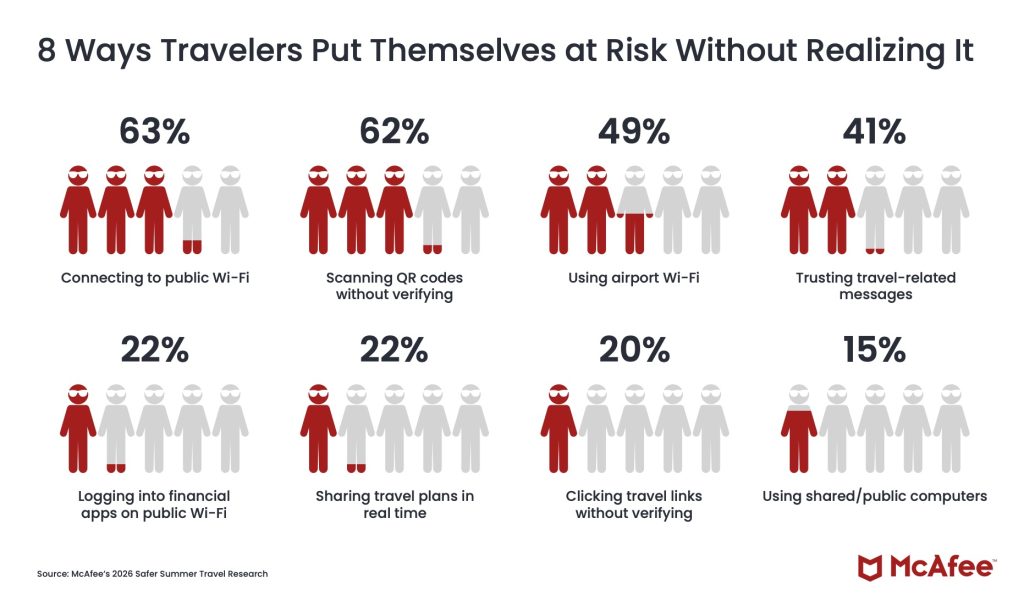
The data reveals just how exposed travelers make themselves without realizing it. Nearly two-thirds of Americans connect to public Wi-Fi while traveling (63%), and a similar share scan QR codes without verifying where they lead (62%). Almost half use airport Wi-Fi specifically (49%), and 41% admit to trusting travel-related messages without checking the sender. One in five logs into financial apps while on public networks, and the same group shares travel plans in real time on social media. Twenty percent click travel-related links without verifying the source first. And finally, around 1 in 5 (22%) admit to sharing travel plans in real time.
That last behavior is worth pausing on. Sharing travel plans in real time, on public or semi-public social accounts, is precisely what creates the photo-based location signals this research examines. These behaviors and geo-location exposure are not separate issues. They feed each other.
Location inference is the key that makes all of those existing vulnerabilities more exploitable. A scammer with a rough idea of where you are does not just have a data point. They have a script.
Methodology: How We Conducted This Research
Transparency matters. Here is exactly how this research was conducted.
Dataset: 21,236 travel images that are publicly available for research, plus a separate controlled set of 102 images contributed by McAfee internal volunteers (never previously posted publicly).
Models tested:
Gemma3 27B — a multi-model and vision-language model from Google DeepMind
Qwen3 VL 30B — a multi-model and vision-language model from Alibaba’s Qwen team
It’s important to note that we conducted our testing using large language models running locally on our own computers, rather than through public services such as ChatGPT.
This more closely reflects how an attacker might operate at scale. Running models locally allows unrestricted, automated generation of large volumes of malicious content without relying on a third-party provider.
By contrast, cloud-based AI services typically monitor for abuse and may impose rate limits, suspend accounts, or block requests when they detect activity associated with phishing or other malicious behavior.
Process: An automated Python script submitted each image to both models using a standardized prompt requesting location identification based solely on visual content. No metadata, EXIF data, or file naming conventions were used as inputs. Results were logged programmatically.
Validation: Image labels were pre-assigned prior to analysis. In cases where geographic names or landmarks could reasonably be interpreted in more than one way, a human reviewer compared the pre-labeled locations and model outputs to ensure consistent categorization.
For example, the reviewer determined whether Vatican City should be grouped with Rome and whether “Washington D.C.” and “Washington, D.C.” should be treated as the same location. The reviewer did not alter either the original labels or the model results, but instead applied judgment to reconcile ambiguous naming conventions and edge cases.
Accuracy definition: A result was counted as correct when the model identified the correct city and country. Country-only identification was tracked separately. Both metrics are reported.
What this research does not claim: This research does not suggest that every travel photo will be correctly identified, or that all publicly available AI tools perform at this level. Results varied by image type, landmark density, and geographic region. The point is not perfect identification, it’s that accuracy is high enough, and accessible enough, to enable targeted scams at scale.
About the Consumer Research McAfee commissioned a consumer survey fielded in March 2026 examining travel intentions, travel scam experiences and perceptions, and digital behaviors while traveling. Results referenced here represent a subset of 1,000 U.S. adults over the age of 18. The full study included responses from 6,000 participants across Australia, France, Germany, Japan, the United States, and the United Kingdom.
How to Protect Yourself
Knowing the risk exists is the first step. Here’s what to actually do about it.
Think before you post, especially in real time. The highest-risk window is when you’re still traveling. Posting while you’re in a location gives scammers a live signal. When possible, post after you’ve returned home or delay sharing location-identifiable content by a few days.
Audit your social media privacy settings. Photos shared publicly are the easiest targets. Restricting your posts to people you know significantly limits the pool of images that can be scraped and analyzed.
Be skeptical of urgency tied to your location. If a message references where you’ve been, even correctly, treat that as a red flag, not a credibility signal. Scammers use location familiarity precisely because it feels reassuring.
Go directly to the source. If you receive a message claiming to be from your bank, airline, hotel, or card provider while traveling, don’t click any link in the message. Open a new browser tab and navigate directly to the company’s official website, or call the number on the back of your card.
Use a travel-specific email or alias. Some travelers use a separate email address for bookings, reservations, and travel apps. This limits the cross-referencing scammers can do between your social media presence and your financial accounts.
Trust the skepticism, not the familiarity. Modern scams are designed to feel familiar before they feel suspicious. If something creates a sense of urgency around your financial accounts while you’re traveling, slow down. The pressure itself is the warning sign.
How McAfee Protects You Before, During, and After Travel
As prices rise and decisions happen in real time, it’s easy to prioritize convenience over caution. But that’s exactly the moment when small checks matter most.
Stage of Travel
What’s Happening
How McAfee Helps
Before You Book
Comparing deals, clicking promotions, booking flights and hotels under time pressure
Scam Detector checks links, messages, and booking sites before you click, helping you avoid fake deals and scam listings
During Your Trip
Connecting to public Wi-Fi, scanning QR codes, receiving travel updates and alerts
VPN helps secure your connection on public Wi-Fi, while Scam Detector flags suspicious messages and unsafe links in real time
After Your Trip
Accounts remain active, travel data stored across platforms, potential exposure from breaches
Identity Monitoring alerts you if your personal information appears online, helping you act quickly before damage spreads
With McAfee+ Advanced, multiple layers work together so you’re not left figuring it out after the damage is done.
So you can focus on your trip, and not on whether that notification is a scam.
Final Thought
A travel photo is a memory. It’s also, increasingly, a data point.
That doesn’t mean you should stop sharing your experiences. It means understanding that the same visual richness that makes a great photo is exactly what AI systems are trained to read.
Scammers know this. Now you know how to protect yourself.
This report was produced by McAfee Labs. Research was conducted in 2025–2026 as part of McAfee’s ongoing monitoring of AI-enabled scam vectors.
McAfee is proud to be recognized with the SE Labs Home Anti-Malware Award 2026, one of the most respected independent recognitions in consumer cybersecurity. This marks the second year in a row that McAfee is being recognized with the Home Anti-Malware Award, proving our continued excellence and efficiency.
Now in its eighth year, the SE Labs Awards honor cybersecurity providers delivering outstanding protection across consumer, small business, and enterprise markets. And McAfee has earned top recognition in the Home Anti-Malware category two years in a row.
What Are the SE Labs Awards?
SE Labs is an independent cybersecurity testing and certification organization. Unlike awards based on self-reported data or marketing claims, SE Labs recognition is grounded in:
Continuous public testing: Products are evaluated through ongoing, real-world assessments, not one-time snapshots
Private assessments: Winners are also evaluated through confidential testing that mirrors actual threat environments
Eight years of credibility: The SE Labs Awards have built a track record as a trusted benchmark for both consumers and industry professionals
This makes the SE Labs Award a comprehensive measure of real-world security performance, not just lab scores.
What the Home Anti-Malware Award Means
The Home Anti-Malware category specifically recognizes consumer security products that demonstrate exceptional ability to detect, block, and remedy malware threats targeting everyday users.
Winning this award means McAfee’s protection performed at a level SE Labs considers outstanding, not just effective on paper, but proven against the kind of threats real households face: ransomware, trojans, spyware, phishing-delivered payloads, and more.
Simon Edwards, Founder and CEO of SE Labs, offered this comment on the 2026 winners:
“The SE Labs Awards recognises the vendors that are making a real difference in keeping systems secure. Winning an award is a significant achievement. It reflects not only strong product performance in our tests but also the commitment of the teams behind the technology. Congratulations to McAfee on its success.”
Independent Validation. Not a Marketing Claim
There’s an important distinction between a company saying its product is effective and an independent lab proving it.
SE Labs operates separately from the vendors it tests. Its methodology is transparent, its testing is repeatable, and its results are used by journalists, analysts, and buyers to make real purchasing decisions.
When SE Labs names McAfee a winner, that recognition carries the weight of a process that can’t be paid for or manufactured.
That’s what makes this award meaningful, and what separates it from a badge a company designs for itself.
How McAfee Fights Malware
Malware today doesn’t just arrive as a suspicious download. It hides in phishing texts, fake links, malicious QR codes, and compromised websites. And by the time most people realize something is wrong, the damage is already done.
McAfee is built to stop threats at every point in that chain.
Scam Detector flags suspicious texts, emails, links, QR codes, and even deepfake videos before you engage
Secure VPN keeps your data private, especially on public Wi-Fi
Web Protection helps block risky sites, even if you do accidentally click
Password Manager doesn’t just help you make unique, strong passwords, it keeps them stored and organized for you
Most people don’t get scammed because they ignore warning signs.
They get scammed because they find a reason to explain those warning signs away.
The website looks a little off, but the deal is incredible. The text message is unexpected, but they’re already waiting for a package. The seller is unfamiliar, but the discount is too good to pass up.
That’s what makes major shopping events such fertile ground for scammers.
New McAfee research suggests that economic pressure may be making that problem worse, as 40% of consumers say they would trust a lower priced deal without verifying it. That means as costs are climbing, shoppers are less likely to second guess a too-good-to-be-true deal that could be a scam.
“Anyone who has ever fallen for a scam thought they would recognize one first,” McAfee’s Head of Threat Research Abhishek Karnik reminds shoppers.
“That confidence is part of what scammers count on,” he says. “Tools like McAfee exist precisely for those moments, flagging suspicious links, messages, and offers in real time, before a split-second decision becomes a costly one.”
New McAfee Research Reveals the Cost of Deal Hunting
While most shoppers believe they can spot a scam, McAfee’s new research suggests many are engaging in behaviors that increase their risk.
Rising Prices Are Driving Riskier Shopping Decisions
Economic pressure is changing how people shop online.
McAfee found:
82% prioritize finding the cheapest deal when shopping online
55% spend more time hunting for deals
40% would trust a lower-priced deal without verifying it first
29% would skip researching a seller if the deal seemed especially good
27% are more likely to consider unfamiliar sellers because of lower prices
23% feel pressure to act quickly before deals disappear
The same behaviors that help shoppers find bargains can also make them more vulnerable to fraud.
“What the data reflects is that economic pressure has effectively done some of the scammer’s work for them,” says Karnik. “When consumers are already primed to move quickly and prioritize price over authenticity, it takes far less effort to push them toward a bad click or a fraudulent purchase.”
Shopping Scams Are Already Costing Americans Real Money
The financial impact is significant:
37% say they have lost money due to online shopping scams or fraud
45% of victims lost more than $100
25% lost between $100 and $499
20% lost $500 or more
36% were unable to recover any of their money
AI Is Making Shopping Scams Harder to Spot
Consumers are increasingly aware that artificial intelligence is changing the scam landscape.
According to McAfee research:
70% agree AI-generated content is making shopping scams harder to identify
Nearly three-quarters have encountered shopping content they believed was suspicious or AI-generated
“The signs people have historically relied on, poor grammar, low-quality images, obviously off branding, are no longer reliable,” advises Karnik. “AI has lowered the production cost of a convincing fake to nearly zero.”
It’s not just a fake landing page fraudsters are creating.
“AI is being used to make fake review sections, impersonation messages that look exactly like it came from a major retailer, realistic logos, believable URLS,” Karnik says. “When you’re shopping online, you need to adjust your expectations to match that new AI reality.”
What Are the Most Common Shopping Scams During Major Sales Events?
Scammers follow consumer attention.
Whenever millions of people are searching for deals at the same time, scammers create fake websites, impersonate retailers and delivery companies, and use urgency to pressure shoppers into acting before they think.
Here are some of the most common shopping scams consumers encounter during major sales events, as well as the red flags consumers can watch for:
Scam Type
How It Works
Red Flags
Fake shopping websites
Fraudulent websites mimic real retailers and disappear after collecting payments
Prices far below competitors, little company information, newly created websites
Fake social media ads
Ads promote products that never arrive or are counterfeit
Codes placed on flyers, posters, packages, or public locations
Brushing scams
Unsolicited packages arrive at your home
Items you never ordered, requests to scan codes or leave reviews
Fake recall scams
Messages claim a recent purchase has been recalled
Requests for payment, account credentials, or personal information
According to McAfee research, consumers most commonly report encountering fake shipping notifications, delivery scams, retailer impersonation scams, account alerts, and suspicious discount offers during major shopping periods.
How McAfee Can Help
With McAfee+ Premium, multiple layers work together before any damage is done:
Scam Detector flags suspicious texts, emails, links, QR codes, and even deepfake videos before you engage
Secure VPN keeps your data private, especially on public Wi-Fi
Web Protection helps block risky sites, even if you do accidentally click helps block risky sites, even if you do accidentally click
Password Manager doesn’t just help you make unique, strong passwords, it keeps them stored and organized for you
McAfee surveyed 1,000 U.S. adults in May 2026 as part of a broader study of 5,000 respondents across the U.S., UK, France, Germany, and Japan, focused on online shopping intentions, scam awareness, and purchase behaviors.
Minecraft is a 2011 sandbox game developed and published by Mojang Studios. It is the best-selling video game in the world and has sold over 350 million copies worldwide. Its popularity has spanned over a decade due to its versatile gameplay, offering multiple game modes, including one of the most memorable Story Mode in gaming history.
It allows players to create and host multiplayer servers with a variety of gameplay options and offers a wide range of custom launchers, game mods, and cheats to choose from.
Its massive popularity and widespread use of third-party tools have also given rise to a dark side of the Minecraft ecosystem, which is filled with Remote Access Trojans (RATs), credential stealers, keyloggers and other malware threats.
McAfee Labs has recently uncovered a colossal Minecraft-focused Malware-as-a-Service (MaaS) campaign named ‘Weedhack’, that allows threat actors to remotely access and manipulate the victims’ screen, webcam and file system through a dashboard hosted on the clear net, making it easily accessible to anyone with a Discord account and an internet connection.
Key Findings
‘Weedhack’ has been active since January 2026 and masquerades as genuine Minecraft clients and mods to infect users.
We’ve discovered over 3820 unique malicious JAR files that are part of this attack and over 240 URLs responsible for distributing this malware.
This campaign utilizes SEO poisoning and YouTube to generate traffic to these malicious URLs. We also found two YouTube channels and multiple videos that demonstrate Minecraft Mods and Clients and redirect viewers to these URLs.
The campaign has accumulated a total of 116,464 hits, averaging approximately 2000 to 3,000 hits per day.
The campaign provides an enterprise-grade dashboard that allows customers to view stolen credentials and system information, download the payload, configure notifications, access tutorials, and remotely monitor their victims.
This campaign deploys EtherHiding, a technique that uses Ethereum blockchain to fetch its latest C2 domain. The responses are RSA-signed and verified before execution, helping protect the network from campaign takeover attempts.
We’ve uncovered 10 domains that host the next stage payloads and host the malware dashboard for the Weedhack campaign.
We’ve identified 11 domains that hosted similar MaaS campaigns in the past, orchestrated by the same threat actor.
We’ve unearthed the threat actor’s Telegram account and uncovered a Telegram channel for customers, with over 850 members, as of writing this blog.
This campaign offers two service tiers: free and premium.
The free tier includes a comprehensive infostealer capable of targeting Minecraft session IDs and four Minecraft launchers, collecting system information, and stealing cookies and passwords from 36 different browsers. It also targets 56 browser-based crypto wallets and 12 desktop crypto wallets, along with Discord, Steam, and Telegram credentials. It can search for files using 24 different keywords and includes screenshot capture capabilities.
For premium users, with subscriptions starting at $5 per month, it offers additional remote-access capabilities such as webcam access, keylogging, reverse shell execution, screen sharing with keyboard and mouse access, and file management features for uploading and downloading files.
While monitoring the Telegram channel, we found that WeedHack malware is a major catalyst for cyberbullying. Many of its customers appear to be teenagers and young adults and are using remote access capabilities to threaten, harass and monitor their victims, which are around the same age.
Whether you’re planning a once-in-a-lifetime trip or just hoping to catch a match while it’s in your city, the 2026 FIFA World Cup is already driving a surge in ticket searches, travel bookings, and last-minute plans.
But where there’s high demand and big money, scammers aren’t far behind.
“The World Cup is one of those events where excitement and cost collide,” says Abhishek Karnik, Head of Threat Research at McAfee. “Tickets have been expensive, and for many people, especially families or fans traveling, the costs add up quickly between tickets, flights, hotels, and everything else that comes with attending.”
“When prices feel out of reach, people naturally start looking for better deals or cheaper options. That is where things can get tricky. If someone suddenly offers what feels like a great price compared to everything else out there, it can feel like a rare opportunity worth jumping on. Scammers understand that.”
New McAfee Research Finds a Gap Between Awareness and Risk
New research from McAfee shows that while most fans are aware of World Cup-related scams, many are still willing to take risks to secure tickets.
In fact, 40% say they would consider buying from an unofficial source if they can’t get tickets through the official FIFA site, as many expect tickets to sell out and hope to find affordable resale options.
That tension is what makes events like the World Cup especially vulnerable for scams.
With limited ticket availability, rising prices, and the pressure to act quickly, even informed fans can find themselves making decisions they normally wouldn’t, like buying tickets from a reseller on TikTok.
And scammers are counting on it.
Survey takeaways:
76% of fans are interested in getting World Cup tickets
35% have already started searching online
43% are willing to spend over $500 on tickets
66% say they’re aware of World Cup-related scams
66% say they’re concerned about being scammed
40% would consider buying tickets from unofficial sources
The Most Common World Cup Scams to Watch For
“Usually, it is not just one thing that gives a scam away,” Karnik says. “It is when a few warning signs start adding up at once, pressure to act quickly, prices that feel unusually low, or details that seem slightly off.”
“One of the biggest is urgency around pricing. If someone is pushing a deal that feels dramatically cheaper than similar tickets, claiming prices are about to go up, or creating pressure to buy immediately, that is worth paying attention to. Creating artificial urgency around a ‘great deal’ is one of the easiest ways scammers get people excited enough to move quickly.”
Below is a comprehensive breakdown of the most common scams tied to major global sporting events like the World Cup, including how they work and what to look for.
McAfee’s Scam Detector,Safe Browsingtools, VPN, and Password Manager work together to help you spot scamslike these as they happen by flagging suspicious messages, blocking risky websites, and helping you make safer decisions before you click, pay, or share information.
Scam Type
What It Is
How It Works
Red Flags
Fake Ticket Resale Scam
Fraudulent tickets sold through unofficial sites or individuals
Scammers create fake listings or duplicate real tickets and sell them to multiple buyers
Prices far below or above market, refusal to use official transfer systems, pressure to act fast
Social Media Ticket Scam
Tickets sold through platforms like Instagram, Facebook, TikTok, or X
Fake or hacked accounts post “last-minute” ticket offers and move conversations to DMs
Urgent language (“only 2 left”), new or suspicious profiles, requests to pay outside the platform
Duplicate QR Code Scam
One legitimate ticket is resold multiple times
Multiple buyers receive the same QR code, but only the first scan works
Screenshots instead of official transfers, identical tickets sold repeatedly
Fake Ticket Website Scam
Websites designed to look like official ticket platforms
Victims enter payment info or purchase tickets that don’t exist
Slightly misspelled URLs, unfamiliar domains, lack of official branding verification
Travel & Accommodation Scam
Fake hotels, rentals, or travel packages
Listings appear legitimate but either don’t exist or are already booked
Prices that seem unusually low, requests for upfront payment, lack of verified reviews
Booking Impersonation Scam
Fraudsters pose as airlines, hotels, or booking platforms
Victims receive messages about “issues” with bookings and are asked to click links or provide info
Unexpected messages, requests for login or payment details, links that don’t match official sites
Public Wi-Fi & Phishing Scam
Data theft through unsecured networks while traveling
Scammers intercept data or create fake login portals on public Wi-Fi
Open networks with no password, login pages asking for unnecessary information
Fake Giveaway Scam
Promotions claiming free tickets or VIP access
Victims are asked to enter personal data, click links, or pay “processing fees”
“You’ve won” messages you didn’t enter, requests for payment to claim prizes
Betting & Prediction Scam
Fake betting tips or “guaranteed wins” tied to matches
Scammers sell fake predictions or direct users to malicious betting sites
Claims of guaranteed outcomes, requests for upfront payment, unfamiliar platforms
Merchandise Scam
Counterfeit World Cup gear sold online
Buyers receive low-quality or no product at all
Unverified sellers, poor site quality, deals that seem too good to be true
How AI is Making These Scams More Convincing
Unfortunately, with the continued improvement of AI, these scams are becoming more convincing.
AI tools allow scammers to create:
More realistic websites and messages
Personalized outreach that feels legitimate
Fake endorsements, images, or promotions
That means traditional advice like “look for typos” is no longer enough on its own.
Today’s scams often look polished, professional, and believable.
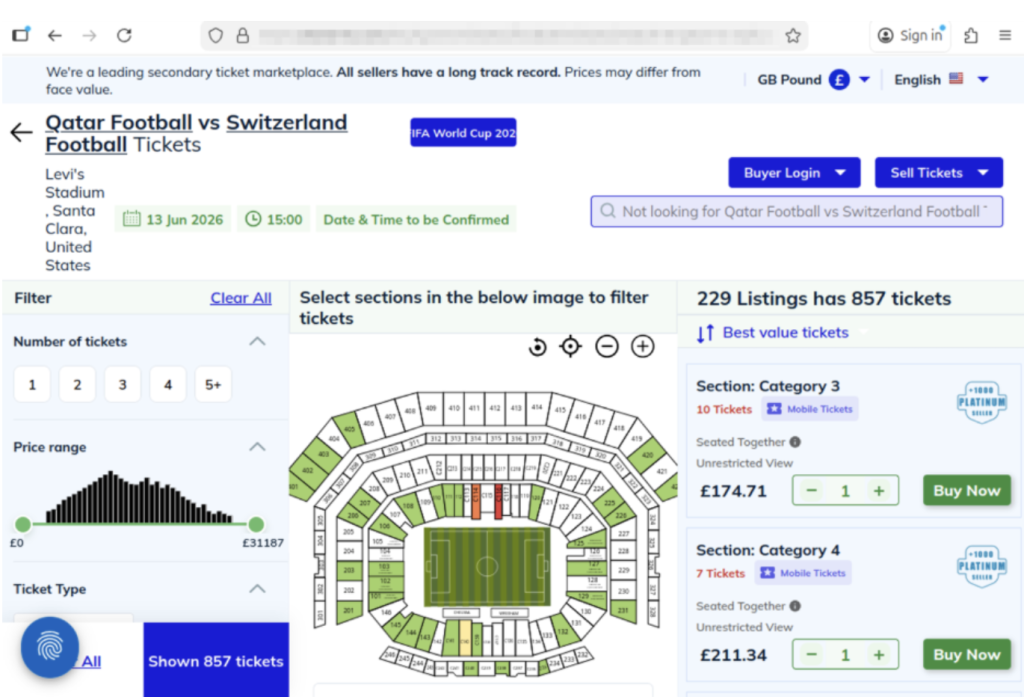
The website above shows a scam operation detected by McAfee Labs. It has incredibly realistic seat-selection options and ticket-buying features. But it’s fake.Here you can see just how realistic the website looks. But these tickets are not actually for sale.
What “Official” Actually Means (and Why It Matters)
Use strong passwords and enable two-factor authentication. Consider a password manager like McAfee’s.
Verify before you buy
If something feels off, pause and check before sending money
What to Do If You Think You’ve Been Scammed
If you think you may have purchased a fraudulent ticket, clicked a suspicious link, or shared information with a scammer, acting quickly can help limit the impact.
Immediate steps to take
Stop communication immediately Do not send additional money or information, even if the sender claims you need to “complete” a transaction. It’s also a good idea to take screenshots of messages in case the scammer disappears.
Contact your bank or payment provider Report the transaction as soon as possible. Many institutions can help reverse charges or flag fraudulent activity if caught early.
Secure your accounts Change passwords for any accounts that may be affected, especially email, banking, and ticketing platforms. Our password manager and free password generator help create unique passwords every time.
Enable two-factor authentication (2FA) Adding an extra layer of security can help prevent unauthorized access, even if your password was exposed.
Scan your device for threats If you clicked a suspicious link or downloaded a file, run a security scan to check for malware or malicious software. Check out our free security scan.
Monitor for unusual activity Keep an eye on financial accounts, email logins, and any services tied to your personal information. Our free WebAdvisor helps protect you from malware and phishing attempts while you surf.
The image above shows malicious apps masquerading as sports betting sites or promising unique World Cup coverage. But when users download, their devices are infected.
How McAfee Helps You Spot Scams in the Moment
McAfee offers more than traditional antivirus, combining multiple layers of digital protection in one app to help you stay safer while searching, clicking, and buying online.
Scam Detector helps flag suspicious texts, emails, and videos automatically, so you can spot a scam before it hits you and your wallet
Safe Browsing tools help block risky websites, alert you to phishing attempts, and guide you away from malicious links
VPN helps keep your connection private on public Wi-Fi, protecting your personal and payment information
Password Manager helps create and store strong, unique passwords to reduce the risk of account takeover
Identity Monitoring and Alerts notify you if your personal information appears where it shouldn’t, so you can quickly take steps to fix it
Personal info removal helps find and remove your personal info from data broker sites and close out old forgotten accounts
The World Cup isn’t just another event, it’s a moment when millions of people are making fast decisions involving real money, travel plans, and personal information.
What McAfee’s research makes clear is that the biggest risk isn’t a lack of awareness. Most fans already know scams exist. The risk is what happens next.
“When prices feel out of reach, people naturally start looking for better deals or cheaper options. That is where things can get tricky. If someone suddenly offers what feels like a great price compared to everything else out there, it can feel like a rare opportunity worth jumping on,” Karnik says. “Scammers understand that.”
“If somebody claims they have hard-to-get tickets at an unusually good price, especially for a popular match, people may feel pressure to act quickly before the opportunity disappears.”
As demand continues to build toward the tournament, more fans will be searching, comparing, and purchasing online.
The takeaway is simple: Staying safe isn’t just about knowing scams exist. It’s about slowing down, verifying before you buy, and using tools that help you make informed decisions in the moment.
*McAfee is not affiliated with or endorsed by FIFA.
You’re comparing airfare on your phone, watching prices climb by the hour, when a deal pops up that feels just good enough to grab. The timer’s ticking. The price looks right. You don’t want to miss it.
You’re comparing airfare on your phone, watching prices climb by the hour, when a deal pops up that feels just good enough to grab. The timer’s ticking. The price looks right. You don’t want to miss it.
That moment, when you’re rushing to lock something in, is exactly where scams thrive.
New McAfee research shows that more than 1 in 3 Americans have encountered a travel-related cyberthreat, and 41% of those impacted lost money, often exceeding $500.
This shows a screenshot of a fake Booking.com website detected by McAfee that was attempting to trick users into running malicious script/code
At the same time, rising travel costs and time pressure are pushing people to make faster, riskier decisions. Those arethe exact conditions scammers rely on.
That’s where protection has toshow up earlier.
McAfee’s Scam Detector lets you check suspicious links, messages, and booking sites before you click, so you can pause and verify instead of giving scammers the edge.
Travel Scams, Red Flags, and How McAfee Protects You
Travel Scam Type
Key Red Flags
How McAfee Helps
Fake travel deals
Prices far below market, pressure to “book now,” sites you’ve never heard of
Scam Detector flags suspicious links and explains why they’re risky, so you can avoid fake deals before you book
Fake booking confirmations
Unexpected messages about bookings you didn’t make, mismatched sender details
Scam Detector analyzes messages before you engage, helping you avoid fake confirmations
Fake airline/hotel websites
Slight URL changes, poor design, being pushed to pay immediately or off-platform
Safe Browsing helps block risky sites before you enter payment details, reducing the chance of fraud
Payment requests outside platforms
Asked to pay via wire transfer, crypto, or direct payment instead of official platforms
Scam Detector flags suspicious payment requests, helping you avoid sending money to scammers
QR code scams
QR codes posted in public with no clear source or context
Scam Detector checks QR links before they open, so you don’t land on malicious sites
Customer service impersonation
Calls or messages asking for login credentials or payment info
Scam Detector detects deepfake AI audio impersonation attempts, helping you avoid sharing sensitive information
AI-generated listings
Photos that look overly polished, details that don’t quite match up
Scam Detector identifies suspicious content patterns, helping you spot listings that aren’t real
Public Wi-Fi attacks
Open networks with no password or security prompts
VPN helps protect your data on public networks, keeping your personal information private
The Findings From Our 2026 Travel Research
McAfee Labs found that many travel scams work because they look familiar and spread fast.
TripAdvisor was the most commonly impersonated travel app, cloned at roughly three times the rate of other major platforms like Kayak, Expedia, and Booking.com.
In some cases, thousands of scam detections traced back to just a handful of fake apps, showing how quickly a convincing scam can take off when travelers are racing to book.
Top 5 Ways Rising Travel Costs Are Driving Risky Decisions
Our 2026 travel survey shows how rising prices and last‑minute pressure are changing traveler behavior, often in ways scammers exploit.
1. Booking faster than usual 90% feel pressure to act quickly
2. Choosing cheaper deals without verifying 32% would book before confirming legitimacy
3. Ignoring red flags 33% admit they’ve done it
4. Trusting messages that look legitimate 41% trust airline/hotel messages without verifying
5. Clicking links without checking the source 20% click first, verify later (or not at all)
The Travel Scams People Are Most Likely to Fall For
According to our consumer survey findings, those who reported falling for a travel scam said these were the methods scammers used to trick them:
1. Fake travel deals or promotions (15%)
2. Scam booking confirmations or updates (15%)
3. Manipulated accommodation listings or photos (15%)
4. Payment requests outside official platforms (11%)
5. Fake vacation rental listings (10%)
6. Fake airline or hotel websites (9%)
7. Customer service impersonation (9%)
8 Ways Travelers Put Themselves at Risk Without Realizing It
These common traveler behaviors are popular avenues for criminals to steal your information, data, and money.
1. Connecting to public Wi-Fi (63%)
2. Scanning QR codes without verifying (62%)
3. Using airport Wi-Fi (49%)
4. Trusting travel-related messages (41%)
5. Logging into financial apps on public Wi-Fi (22%)
6. Sharing travel plans in real time (22%)
7. Clicking travel links without verifying (20%)
8. Using shared/public computers (15%)
How McAfee Protects You Before, During, and After Your Trip
As prices rise and decisions happen in real time, it’s easy to prioritize convenience over caution. But that’s exactly the moment when small checks matter most.
Stage of Travel
What’s Happening
How McAfee Helps
Before You Book
Comparing deals, clicking promotions, booking flights and hotels under time pressure
Scam Detector checks links, messages, and booking sites before you click, helping you avoid fake deals and scam listings
During Your Trip
Connecting to public Wi-Fi, scanning QR codes, receiving travel updates and alerts
VPN helps secure your connection on public Wi-Fi, while Scam Detector flags suspicious messages and unsafe links in real time
After Your Trip
Accounts remain active, travel data stored across platforms, potential exposure from breaches
Identity Monitoring alerts you if your personal information appears online, helping you act quickly before damage spreads
With McAfee+ Advanced, multiple layers work together so you’re not left figuring it out after the damage is done.
Spend more time on your vacation, and less time worrying about scammers who want your vacation fund.
McAfee Total Protection just took first place in the latest AV-Comparatives PC Performance Test, the gold standard for measuring how much (or how little) security software slows down your computer.
With an overall impact score of 3.3 out of a possible 100, McAfee outperformed all 19 other security products tested and earned the highest possible rating: 3 Stars ADVANCED+.
The industry average? 12.8. McAfee came in nearly 4x lower than that. The lower the impact score, the less the software gets in your way
What Is the AV-Comparatives PC Performance Test?
AV-Comparatives is an independent cybersecurity testing lab that has been rigorously evaluating security software since 1999. Unlike a review written by a single journalist or a score based on a company’s own claims, AV-Comparatives tests are:
Independent: delivers unbiased, data‑driven evaluations of security products
Standardized: every product is tested under the same conditions
Widely trusted: regularly cited in product roundups, expert reviews, and buying guides that shape how consumers choose security software
The PC Performance Test specifically measures how much a security product impacts your computer’s everyday speed. Testing is conducted on a real Windows 11 machine (Intel Core i3, 8GB RAM, SSD) with all default settings enabled and an active internet connection. That’s the same setup millions of everyday users have at home.
The lower the impact score, the less the software gets in your way.
What McAfee’s Score Actually Means
McAfee Total Protection scored 3.3, the lowest impact score of all 20 products tested, and well below the industry average of 12.8.
Here’s a simple way to think about it: if the average security product takes a measurable toll on your machine while it works in the background, McAfee barely registers. You get full, always-on protection without the sluggishness that frustrates so many users.
This result earned McAfee the ADVANCED+ rating, the highest tier AV-Comparatives awards, reserved for products that deliver top-tier performance with minimal system impact.
Why “Lightweight” Protection Matters More Than You Think
There’s a common misconception that stronger protection means a heavier, slower product. McAfee’s results prove otherwise.
When your security software is slow, you notice it:
Apps take longer to open
Downloads feel sluggish
Your machine lags during everyday tasks
You’re tempted to disable protection to get your speed back, leaving yourself exposed
A lightweight product means protection that works quietly in the background, without making you choose between safety and performance. That’s the promise behind McAfee’s result, and it’s now independently verified.
AV-Comparatives Test Results
First Place, But Not for the First Time
This isn’t a one-off result. McAfee has earned the ADVANCED+ rating consistently across multiple rounds of AV-Comparatives testing, demonstrating that this level of performance isn’t luck. It’s the result of deliberate, sustained engineering.
Independent, repeatable results like these are what separate marketing claims from proven performance.
With McAfee, you get award-winning protection and award-winning performance, so your devices stay secure without slowing you down.
Which McAfee Plans Include This Protection?
The same AI-powered threat protection validated in this test is built into every major McAfee plan:
McAfee+ Premium
McAfee+ Advanced
McAfee+ Ultimate
McAfee Total Protection
McAfee LiveSafe
Whether you’re protecting one device or an entire household, you’re getting the same industry-leading, independently verified performance under the hood.
According to McAfee’s 2026 State of the Scamiverse report, Americans now spend 114 hours a year trying to figure out what’s real and what’s fake online. That’s nearly three full workweeks lost to second-guessing messages, alerts, and links.
And when scams do succeed, they move quickly. The typical scam unfolds in about 38 minutes, leaving little room for hesitation.
That creates a gap: People want to check before they act, but the tools haven’t always met them in that moment.
ChatGPT + McAfee is designed to close that gap, bringing scam detection directly to a platform people are already using to ask questions and make decisions.
And it’s available to anyone. You don’t have to be a McAfee subscriber.
This isn’t just detection. It’s guidance in the exact moment you’re deciding what to do.
Instead of guessing, you can paste a message or drop in a screenshot and get a clear explanation of what’s risky, and what to do next, powered by McAfee’s threat intelligence.
What You Can Do with ChatGPT + McAfee
With this integration, checking something suspicious becomes as simple as asking a question.
Paste a message. Drop in a link. Upload a screenshot.
McAfee analyzes it and explains what’s going on clearly and in context.
Here’s how it works:
Feature
What it does
How it protects you
Link safety check
Paste a suspicious URL and get a reputational analysis based on McAfee threat intelligence
Scam links are often designed to look legitimate. A quick check helps avoid phishing and malware
Message analysis
Submit texts, emails, or social messages for evaluation
Many scams now rely on urgency and tone. Analysis helps surface subtle red flags
Screenshot uploads
Upload screenshots of messages, emails, or posts for review
Scams don’t always come as clean text. This makes it easier to check what you’re actually seeing
Clear explanations
Get a breakdown of why something is flagged as risky or safe
Not just a warning—an explanation that helps you recognize patterns next time
Guided next steps
Receive recommendations on what to do next
Helps prevent escalation, especially in moments of uncertainty
It’s a quick, accessible way to get answers in the moment. But it’s just one part of a broader system designed to protect you more comprehensively.
Behind the scenes, ChatGPT + McAfee is powered by the same intelligence that fuels McAfee’s broader scam protection ecosystem.
When you submit something for review:
Links are checked against known threat signals
Messages are analyzed for scam patterns and language cues
Results are translated into clear, human-readable explanations
The goal isn’t just to flag risk. It’s to help you understand it.
A New Way to Stay Ahead of Scams
Scams aren’t slowing down. If anything, they’re becoming more convincing, more personalized, and harder to detect.
That’s where ChatGPT + McAfee comes in. But this is only one part of a much bigger system designed to protect you before, during, and after a scam attempt.
With McAfee+ Advanced, multiple layers work together so you’re not left figuring it out after the damage is done:
Identity Monitoring alerts you if your personal info shows up where it should not, so you can act fast
Your data might be safe today. But that doesn’t mean it’s safe forever.
A growing number of sophisticated actors are collecting encrypted data now, with the goal of decrypting it later, when more powerful technology becomes available.
This strategy is known as Harvest Now, Decrypt Later (HNDL). And it’s not a future problem. It’s already happening, according to research from our McAfee VPN team.
For everyday people, that means private messages, financial records, and sensitive documents could be exposed years from now if protections don’t evolve today.
That’s why security teams, including McAfee’s VPN engineers, are already working on ways to strengthen encryption for both today and what comes next.
What “Harvest Now, Decrypt Later” Means
At its core, HNDL is simple: Attackers collect encrypted data now, store it, and wait until they have the tools to unlock it later.
Even though today’s encryption is incredibly strong, the strategy doesn’t rely on breaking it today. It relies on patience.
A Simple Way to Think About It
You put valuable belongings and documents in a safe at home that’s locked and secured. This works at preventing crimes of opportunity. But let’s say there’s a thief who steals the entire safe, knowing they have tools they can use later to access what’s inside. They wait, and once the tools are available, they break into your safe and access everything inside.
That’s one way to think of HNDL. The safe is the encryption. The quantum computing is the tool they can use later.
But in real life, you’d probably notice if your safe is gone. In the case of HNDL, if you’re not monitoring your data, you may not even notice encrypted information has been stolen to be decrypted.
Key Terms Explained
Term
What it means
Encryption
Scrambling data so others can’t read it
Quantum computing
A new type of computing that can break some encryption
HNDL
A strategy to collect encrypted data now and decrypt it later
Why This Matters Right Now
This isn’t about whether your data is valuable today. It’s about whether it might be valuable later.
Data with a long shelf life is especially at risk, including:
Financial records
Medical information
Private messages
Legal or identity documents
Even something that feels low-stakes today could become sensitive in the future.
And because the collection phase is already happening, the risk isn’t hypothetical. It’s already in motion.
How This Affects VPNs (and what doesn’t change)
VPNs remain one of the most effective ways to protect your data today. That hasn’t changed.
But HNDL introduces a new layer of complexity.
What’s still strong: The encryption that protects your data in transit remains highly resilient.
Where the risk is: The “handshake” process (how a secure connection is established) is more vulnerable to future quantum attacks.
In simple terms: Your data is well protected today, but parts of how that protection is set up may need to evolve for the future.
What Quantum Computing Changes
Traditional computers process information in a linear way.
Quantum computers work differently. They can solve certain types of problems much faster, including the kinds of mathematical challenges that protect today’s encryption.
That’s why attackers are willing to wait.
Once quantum computing reaches a certain level, it could unlock data that was previously considered secure.
What McAfee’s VPN Team is Working On
McAfee’s VPN team is already preparing for this shift.
Evaluating quantum-safe encryption approaches
Exploring hybrid models that protect both now and long-term
Building toward a more resilient VPN experience
This work builds on a broader privacy-by-design approach, where systems are designed to minimize risk from the start, not react after the fact.
Because with HNDL, waiting isn’t an option.
What You Can Do Now
You don’t need to wait for quantum computing to take steps today.
Use a trusted VPN to encrypt your connection
Be mindful of long-term sensitive data you share online
Avoid unsecured public Wi-Fi when possible
Keep your apps and devices updated
These steps help protect your data now while the industry builds toward future-ready security.
How McAfee Helps Protect You
McAfee+ Advanced gives you multiple layers working together so you are not left figuring it out after the damage is done:
Identity Monitoring alerts you if your personal info shows up where it should not, so you can act fast
Personal Data Cleanup helps remove your information from data broker sites, making you harder to target in the first place
Scam Detector flags suspicious texts, emails, links, and even deepfake videos before you engage
Safe Browsing helps block risky sites if you do click
Secure VPN keeps your data private, especially on public Wi-Fi
Frequently Asked Questions (FAQs)
FAQ
Q: Is my data safe right now?
A: In most cases, yes—today’s encryption is extremely strong and is designed to protect your data from current threats. If you’re using trusted security tools like a VPN, safe browsing protections, and device security, your data is actively protected while it’s in transit and in use. However, no system is risk-free. Data exposed through phishing, weak passwords, breaches, or unsecured networks may still be vulnerable. And with “Harvest Now, Decrypt Later,” even properly encrypted data could be collected today and targeted for decryption in the future.
Q: What is quantum-safe encryption?
A: Quantum-safe (or post-quantum) encryption refers to new types of cryptography designed to remain secure even against future quantum computers. Today’s encryption relies on math problems that are extremely difficult for classical computers to solve, but quantum computers could eventually solve some of them much faster. Quantum-safe approaches use different mathematical foundations that are believed to resist those capabilities. In practice, many companies are moving toward hybrid encryption, combining today’s proven methods with newer quantum-resistant techniques to protect data both now and long-term.
Q: Should I still use a VPN?
A: Yes. A VPN remains one of the most effective ways to protect your data today, especially on public or unsecured networks. It encrypts your internet traffic and helps prevent interception by hackers, internet providers, or other third parties. While VPN protocols are evolving to address future quantum risks, they still provide strong, essential protection against today’s threats.
Q: When will this become a real threat?
A: The risk unfolds in two phases. The collection phase is already happening today, where sophisticated actors gather encrypted data and store it. The decryption phase depends on when quantum computing advances far enough to break certain types of encryption, which could take years but is actively progressing. This means data with a long lifespan, such as financial records, personal communications, and sensitive documents, is most at risk because it only needs to remain valuable until those capabilities exist.
We’re excited to share that McAfee’s Scam Detector has been named a finalist in the 2026 Webby Awards.
Recognized in the AI Experiences & Applications – Consumer Application category and named a Webby Honoree for Best Use of AI & Machine Learning, Scam Detector is being acknowledged for its effectiveness as an AI-driven consumer tool.
This recognition of Scam Detector validates something key in research findings. According to McAfee’s 2026 State of the Scamiverse report, Americans now spend 114 hours a year trying to decide what’s real and what’s fake online.
Scam Detector was built with this era of uncertainty in mind, designed to help people cut through confusion and identify scams as they appear. The Webby recognition reinforces to us that McAfee’s Scam Detector is doing exactly that.
What Are the Webby Awards?
The Webby Awards are presented by the International Academy of Digital Arts & Sciences and recognize excellence across the internet, including apps, software, AI, and digital experiences.
Each year, thousands of entries are evaluated, with finalists representing the top work in their category globally.
In addition to judged awards, the Webby Awards include a People’s Voice Award, which is decided by public vote.
How McAfee’s Scam Detector Uses AI to Stop Scams
Scam Detector is designed to help people identify scams where they’re most likely to happen, always ready to help you spot what’s real and what’s not when you least expect it.
It uses AI to analyze and flag suspicious:
Text messages and emails
Links and websites
QR codes
Social media messages
AI-generated and deepfake content
Beyond detection, Scam Detector explains why something was flagged as risky. That transparency helps show how decisions are made, so people can quickly understand the risk and feel more confident trusting what’s flagged.
As scams become more personalized and harder to detect, this combination of automatic detection and clear guidance is critical to preventing financial loss and identity theft.
Vote for McAfee’s Scam Detector
Scam Detector is eligible for the Webby People’s Voice Award, which is decided by public vote.
Voting is open through Thursday, April 16 at 11:59 pm PDT.
Winners will be announced on April 21, 2026.
And a big thank you to the McAfee teams who brought Scam Detector to life and who continuously improve how Scam Detector identifies new threats and adapts to the evolving world of AI-driven scams.
This category recognizes work that doesn’t just perform, it matters: campaigns that raise awareness, inspire action, and make a real-world impact.
That’s exactly what “Keep It Real” set out to do.
Because behind every scam statistic is a person who thought they were making the right call. And too often, what follows isn’t just financial loss. It’s embarrassment, silence, and stigma.
We wanted to change that.
The campaign launched alongside McAfee Scam Detector to address a growing reality: scams powered by AI are becoming harder to recognize and easier to fall for.
“Keep It Real” paired real survivor stories with AI-driven protection to show how scams actually happen and how people can stop them in the moment.
The goal was simple:
Normalize the experience
Remove shame around being scammed
Help more people recognize scams faster
Because when people feel safe talking about scams, they’re more likely to spot them and stop them.
What Are the Shorty Awards?
The Shorty Awards honor the best work in social media, digital campaigns, and online storytelling across brands, creators, and organizations.
Now in their 18th year, the awards recognize campaigns that combine creativity, impact, and real-world relevance. Finalists are selected alongside leading global brands and judged on both industry evaluation and public voting.
How McAfee’s Scam Detector Fits In
McAfee’s Scam Detector is designed to help people identify scams across everyday digital moments.
It uses AI to fight AI by flagging suspicious:
Text messages and emails
QR codes and links
Social media messages
AI-generated and deepfake content
By combining automatic detection with clear guidance, Scam Detector helps people better understand what they’re seeing and decide what to trust.
Real Stories Behind the Campaign
A core part of “Keep It Real” was giving space to people who experienced scams to share what happened, in their own words.
These stories helped show that scams can happen to anyone and played a key role in breaking the stigma around being targeted.
This recognition reflects the work across McAfee teams who built and brought this campaign to life, including product, engineering, research, creative, and communications.
It also reflects the individuals who chose to share their real scam stories to help others recognize scams, stay safer, and end the shame and stigma around being scammed.
Support the Campaign
The Shorty Awards include a public voting component.
McAfee’s mobile research team has uncovered a large-scale Android malware campaign we’re tracking as Operation NoVoice.
The campaign was distributed through more than 50 apps previously available on Google Play, disguised as everyday tools like cleaners, games, and photo utilities. Together, the apps were downloaded more than 2.3 million times, though it’s unclear how many devices may have been impacted.
If the attack succeeds, the malware can gain deep control of a device, allowing attackers to inject malicious code into apps as they are opened and access sensitive data.
However, the most serious impact depends on the device.
On older or unpatched Android devices, the malware can install a highly persistent form of infection that may survive a standard factory reset. Newer Android devices with up-to-date security protections are not vulnerable to the root exploit observed in this campaign, though they may still be exposed to other types of malicious activity from these apps.
In other words, on vulnerable devices, the malware can behave like a kind of digital “zombie,” continuing to operate in the background even after a reset.
Operation NoVoice is what security experts call a rootkit malware attack.
A rootkit is a type of malware designed to gain deep, privileged control of a device while hiding its presence from the user and the operating system’s normal security tools.
Breaking the term down:
“Root” refers to the highest level of access on a system (administrator-level control).
“Kit” refers to a collection of tools used by an attacker to maintain that control.
Put simply, a rootkit allows attackers to operate underneath the normal apps and security protections on a phone, giving them powerful control while staying difficult to detect.
In the case of Operation NoVoice, the attack unfolds in several steps.
1) A normal-looking app starts the attack
The campaign began with apps that appeared harmless on the Google Play Store. These apps advertised themselves as tools like phone cleaners, puzzle games, or gallery utilities.
When a user downloaded and opened one of these apps, it appeared to work normally. There are no obvious signs to the user that anything is wrong.
2) The malware quietly checks the device
Behind the scenes, the app contacts a remote server controlled by the attackers.
The server collects information about the device, things like its hardware, operating system version, and security patch level. Based on that information, the attackers send back custom exploit code designed for that specific device.
3) The attack gains deep system access
If the exploit succeeds, the malware gains root-level access to the device.
At that point, the attackers can install additional malicious components and modify parts of the Android operating system itself.
4) Every app on the phone can be affected
Once the rootkit is installed, it modifies a core Android system library that every app relies on.
This allows attacker-controlled code to run inside any app the user opens.
That means the attackers could potentially access data from messaging apps, financial apps, or social media apps without the user noticing.
5) The malware can remain even after a reset
Operation NoVoice also includes persistence mechanisms designed to keep the malware active.
In some cases, the infection could survive a standard factory reset, because the malicious components modify parts of the system software that resets typically do not replace.
Fully removing the infection may require reinstalling the device’s firmware, something most users cannot easily do themselves.
*To be clear, these apps have been removed from Google Play and are no longer available for download.
Why The Name “Operation NoVoice”
The name Operation NoVoice comes from a hidden component inside the malware itself.
Researchers discovered a resource labeled “novioce” embedded in one of the attack’s later stages. The file contains a silent audio track that plays at zero volume.
This may seem strange, but it serves a purpose.
By continuously playing silent audio in the background, the malware can keep a foreground service running without drawing attention. This allows the malicious code to remain active while appearing harmless to the operating system.
The researchers believe the name “novioce” is likely a misspelling of “no voice,” referring to the silent audio trick used to keep the malware running.
How To Stay Safe from Malware Disguised as Apps
Operation NoVoice highlights an important reality: even apps that appear legitimate can sometimes hide malicious behavior.
Fortunately, there are several steps users can take to reduce their risk.
Be cautious with unfamiliar apps
Even if an app appears on the Google Play Store, it’s still important to review:
the developer’s name
the number of downloads
recent user reviews (check for negative reviews)
Apps with very few reviews, vague descriptions, or suspicious developer accounts can sometimes be part of malware campaigns. And exercise even greater caution with apps promoted through advertisements or that create a a sense of urgency.
Keep your phone updated
Many attacks rely on exploiting known vulnerabilities in older versions of Android.
Installing system updates and security patches helps reduce the chance that these exploits will work.
Remove apps you don’t recognize
If you notice apps on your device that you don’t remember installing, review them carefully and remove anything suspicious.
Keeping your phone’s app list clean reduces the potential attack surface.
Use mobile security protection
Mobile security software can help detect suspicious behavior and block known malware.
What Operation NoVoice Tells Us About the Future of Mobile Threats
Operation NoVoice highlights how mobile malware is evolving. Instead of obvious malicious apps, attackers are increasingly hiding their operations inside ordinary-looking tools distributed through legitimate app stores.
What makes this campaign particularly concerning isn’t just the number of downloads or the technical complexity. It’s the way the malware combines several advanced techniques, device-specific exploits, modular plugins, and deep system persistence, into a single attack chain.
That approach allows attackers to quietly turn an everyday app download into long-term control of a device.
That’s why keeping devices updated, reviewing apps carefully, and using mobile security protection are becoming increasingly important. As Operation NoVoice shows, today’s malware isn’t just trying to get onto devices; it’s trying to stay there.
McAfee Total Protection has been recognized with three major honors in the AV-TEST Best Awards 2025, receiving awards for Best Performance, Best Advanced Protection, and Best Usability.
Among consumer security products, McAfee was the only solution to receive both the Best Performance and Best Advanced Protection awards, highlighting its ability to deliver strong security while keeping everyday devices running smoothly.
The awards are issued by AV-TEST, an independent cybersecurity research institute that evaluates security products through thousands of lab tests each year.
Together, these recognitions reinforce what matters most for people using security software every day: protection that works quietly in the background without slowing down your system or interrupting your workflow.
How Big is an AV-TEST Award?
Pretty big! The AV-TEST Awards recognize security products that deliver consistently strong results across independent testing throughout the year.
To qualify, products must demonstrate exceptional performance across multiple categories, including protection against modern threats, system performance impact, and usability.
In the 2025 test cycle, McAfee Total Protection earned recognition in three key areas.
Best Performance Award
Security software needs to protect your system without slowing it down.
In AV-TEST’s Windows performance testing, researchers measure how much a security solution impacts system resources during everyday tasks such as launching applications, installing programs, browsing the web, and copying files.
McAfee Total Protection earned the Best Performance Award for maintaining strong protection while keeping system impact minimal.
For users, that means protection that runs efficiently in the background so your PC stays responsive while you work, stream, or game.
Best Advanced Protection Award
Modern cyberattacks rarely rely on a single tactic. Today’s threats often combine multiple techniques, including ransomware, infostealers, and other advanced attack methods.
To evaluate how well security products handle these complex threats, AV-TEST runs Advanced Threat Protection (ATP) tests, which simulate real-world attacks using the latest techniques.
In the 2025 testing cycle, McAfee Total Protection delivered consistently strong results across these real-world attack scenarios, earning the Best Advanced Protection Award for consumer users.
These results demonstrate how multiple protection layers inside the product work together to detect and stop threats, even if an attack attempts to bypass initial defenses.
Best Usability Award
Strong security should also be easy to live with.
In AV-TEST’s usability tests, researchers evaluate how accurately a product distinguishes between legitimate files and malicious ones, while monitoring for false alarms.
McAfee Total Protection earned the Best Usability Award for its accurate threat detection and low rate of false positives.
That means fewer unnecessary alerts and interruptions, while still maintaining strong protection against real threats.
Recognition from AV-TEST
According to AV-TEST’s testing team, McAfee stood out across multiple categories in the 2025 evaluation.
“The team of the AV-TEST Institute is delighted to present McAfee with three of the highly coveted trophies. The manufacturer received recognition for its consistently efficient use of system resources, clear distinction between benign and malicious files, and strong results in Advanced Threat Protection testing.” — Marcel Wabersky, Lead Mobile & Network Testing, AV-TEST
What is the AV-TEST Institute
Independent testing plays an important role in helping consumers evaluate cybersecurity tools.
The AV-TEST Institute is an independent IT security research organization based in Germany and operating for more than 20 years. The institute runs one of the world’s largest testing laboratories dedicated to cybersecurity products.
From its headquarters in Magdeburg, Germany, AV-TEST researchers analyze new malware, study emerging attack techniques, and conduct large-scale comparative testing of security software used by both consumers and businesses.
These tests are designed to be standardized, transparent, and repeatable, allowing security products to be evaluated under the same conditions across multiple vendors.
The AV-TEST Best Awards recognize products that deliver consistently strong results across a full year of testing. Because the awards are based on sustained performance rather than a single test cycle, they are widely used as an indicator of long-term security reliability.
For McAfee users, these awards reinforce the goal behind McAfee Total Protection: delivering powerful protection that stays fast, accurate, and easy to use.
Frequently Asked Questions
FAQ
Q: What are the AV-TEST Best Awards?
A: The AV-TEST Best Awards are annual honors given by the independent cybersecurity testing institute AV-TEST. The awards recognize security products that deliver consistently strong results across a full year of testing in areas such as protection, performance, and usability.
Q: What awards did McAfee win in the AV-TEST Awards 2025?
A:McAfee Total Protection received three AV-TEST Best Awards for 2025: Best Performance, Best Advanced Protection, and Best Usability. McAfee was also the only consumer security product to receive both the Best Performance and Best Advanced Protection awards in the 2025 evaluation.
Q: What does the AV-TEST Best Performance award mean?
A: The AV-TEST Best Performance award recognizes security software that provides strong protection while using minimal system resources. AV-TEST measures how security products affect everyday activities such as launching programs, installing applications, browsing the web, and copying files.
Q: What is Advanced Threat Protection (ATP) testing?
A:Advanced Threat Protection (ATP) testing simulates real-world cyberattacks using techniques such as ransomware and infostealer malware. AV-TEST runs these scenarios to evaluate how well security products detect and stop attacks at multiple stages of an infection attempt.
Q: What does the AV-TEST Best Usability award measure?
A: The AV-TEST Best Usability award evaluates how accurately security software distinguishes between safe files and malicious threats. Products that score well demonstrate strong detection capabilities while minimizing false alarms and unnecessary alerts.
Q: Why do independent cybersecurity tests matter?
A:Independent cybersecurity testing organizations like AV-TEST evaluate security products using standardized and transparent testing methods. These tests help consumers compare protection tools based on measurable results rather than marketing claims.
“I signed up for an app because it felt like the only realistic way to meet people as a working single mom.”
Jules, a healthcare professional in her 40s, turned to online dating while balancing work, school, and raising her child after the pandemic. Then she met “Andy.”
He seemed like a great guy. He knew her area and even shared pictures of himself at restaurants, wineries, and neighborhood spots Jules recognized. Their early conversations felt ordinary and he seemed invested in her life and well-being.
“He didn’t ask for money right away; he built trust first,” she said. “So when the investment came up, it didn’t feel risky. It felt like help.”
Andy claimed he was successful in cryptocurrency and said he could show her how to pay down debt, get ahead financially, and finally have some breathing room. Jules decided, cautiously, to try it. And because the accounts appeared to show gains, and she was even able to withdraw small amounts of money, Jules believed the opportunity was real.
But the crypto app wasn’t real. And neither was Andy.
One day, weeks later, the account was suddenly frozen. A message popped up saying the only way to access her funds would be through a $25,000 “tax payment”. She paid the “tax,” worried about losing her investments. But the account immediately froze again, this time facing the claim of money laundering.
That’s when she realized something wasn’t right. And Andy suddenly disappeared.
By the time Jules realized it was a scam, she had lost more than $80,000. Jules said $25,000 of that was borrowed from her elderly mother.
“The financial loss was devastating, but the emotional toll was worse. I felt ashamed and completely alone.”
New research: Romance scams climb ahead of Valentine’s Day
Jules isn’t alone. Unfortunately, this type of long-con romance scam is increasingly common. And AI-powered tools are only helping scammers increase their attack volume.
According to McAfee’s 2026 Valentine’s Day research, 1 in 7 American adults (15%) say they have lost money to an online dating or romance scam.
The cost of losses varied widely between age groups. American adults between ages 35 to 44 were among the most likely to report higher losses, over $5,000, while younger Gen Z victims reported smaller losses under $500.
Of the people who’ve lost money to an online dating scam, just 1 in 4 (24%) were able to recover all their money.
Exposure is widespread even when money is not lost. More than half of Americans say they have been asked to send money or share financial information by a potential romantic partner, often through payment apps, wire transfers, gift cards, QR codes, or cryptocurrency.
McAfee Labs data reinforces what consumers are experiencing. During the peak dating season leading into Valentine’s Day, Labs blocked hundreds of thousands of romance-related malicious URLs and observed surging activity tied to fake profiles, cloned dating apps, and AI-driven chat behavior. In fact, Labs reported significant AI chat bot spam, with some users receiving more than 60 messages in 12 hours, even without a profile photo.
At the same time, fewer scams relied on obvious malicious links, suggesting scammers are shifting toward persuasion and relationship-building instead.
The research at a glance: Fast facts
47% of American adults have used an online platform to meet a romantic partner
35% have encountered fake profiles or AI-generated images while dating online
1 in 4 say they discovered they were interacting with a fake profile or AI bot
22% say they have been a victim of catfishing
53% have been asked to send money or financial info by a romantic interest
Payment apps are the most common path for money requests, especially among adults under 35
32% believe it is possible to develop romantic feelings toward an AI bot
9% say they have personally experienced romantic feelings for an AI chatbot
Men are significantly more likely than women to encounter romance scams weekly
Nearly everyone who experienced a romance scam says it had a lasting emotional impact
How romance scams typically unfold
While scams can take many forms, most follow a familiar pattern. Understanding the progression can help people recognize risk earlier.
Stage
The Red Flags / How it Unfolds
What the scammer wants
What to do instead
1) The hook
A friendly DM, a “wrong number” text, a dating match, a comment reply, a follow request
A response. Any response.
Don’t move fast. Keep the convo on-platform. Don’t give out your number.
2) Love bombing
Daily messages, fast intimacy, mirroring your interests, “I’ve never felt this way”
Trust and routine
Slow it down. Ask for a real-time video call and a specific, verifiable detail.
3) Private channels
“Let’s talk on WhatsApp/Telegram/Signal.” “Don’t tell anyone yet.”
Control and privacy
If someone pushes you off-platform quickly, treat it as a red flag.
4) Building credibility
A “job” story (military, oil rig, entrepreneur), polished photos, voice notes, even AI-assisted video
Believability
Verify independently. Reverse image search photos. Watch for inconsistencies.
5) A financial request
A “small” emergency, a plane ticket, a crypto opportunity, “help me unlock my account,” gift cards, payment app request
Money or financial access
Never send money to someone you haven’t met. Never share financial info or account details.
6) Escalation
“I need a verification code.” “Can you receive money for me?” “Open an account.” “Co-sign.”
Identity theft, account takeover, new credit
Never share MFA codes. Don’t open accounts for anyone. Lock credit if you’ve shared info.
7) Ghosting
Ghosting, deleted accounts, new persona, rinse-and-repeat
Exit before consequences hit them
Preserve evidence, report, and secure your accounts immediately.
Key point: the scariest scams may never send you a sketchy link. They may only send convincing words, and the pressure to act.
Watch out for AI.
AI reduces the “tells” that used to give scammers away. Deepfake audio and video can make someone appear real-time credible. Bot-driven chat can sound polished, attentive, and emotionally responsive.
People who discovered they were dealing with a bot or fake profile said the biggest clues were:
Responses felt scripted or repetitive (52%)
They replied instantly and flawlessly (41%)
Photos looked unnatural or AI-generated (38%)
They avoided voice/video calls (32%)
They made unusual requests early (26%)
The important point is: a smooth conversation is not proof of authenticity. It may be proof of automation.
What to do if you think you’re involved in a romance scam
If you’re reading this and feeling that slow stomach-drop of recognition, the priority is to protect yourself before the situation escalates.
1) Stop sending money and stop sharing information
No more payments. No more screenshots. No more “verification” codes. No more personal details.
If you’ve already shared sensitive info, don’t panic, but act quickly.
2) Document everything
Take screenshots. Save usernames, phone numbers, email addresses, payment handles, transaction confirmations, and any images they sent. If the account disappears, this may be all you have.
3) Lock down your accounts
Change passwords for email, banking, and the platform where you met them
Turn on multi-factor authentication (MFA) everywhere
If you reused passwords anywhere, change those too
4) Check your financial exposure
Romance scams often lead to identity misuse: new accounts, fraudulent applications, or attempts to access your credit.
If you’ve shared identifying details (full name, address, DOB, SSN, photos of documents), consider a protective step that blocks new credit from being opened in your name. McAfee’s Credit Monitoring and Identity Monitoring can help regain security.
5) Reduce your public data footprint
Scammers don’t just use what you tell them. They use what they can look up.
Your phone number, address, relatives, old accounts, and leaked details can be stitched together to make impersonation easier and manipulation more convincing.
Unfriend the scammer on social platforms and tighten your account privacy. Consider options like McAfee’s Personal Data Cleanup
If you sent money, notify your bank/payment provider immediately.
The takeaway:
Romance scams work because they feel real. They exploit trust, vulnerability, and the very human desire for connection, especially in digital spaces where so much of our social and romantic lives now take place.
If you recognize pieces of your own experience in Jules’s story or the research here, you are not alone, and you have nothing to be ashamed of. These scams are designed to be convincing, and anyone can be targeted.
Protections like McAfee’s Scam Detector are built to catch risky messages across text, email, and social channels, adding an extra layer of defense while you focus on building genuine connections.
Awareness, support, and protection go a long way, and help is available when you need it.
Tax season creates a rare and dangerous overlap: Americans are sharing their most sensitive personal information at the exact moment scammers are most alert.
W-2s arrive. Payroll portals light up. Refund notifications start circulating. Messages from employers, tax services, and government agencies suddenly feel routine… expected, even.
That’s the opening scammers wait for.
According to McAfee’s 2025 tax season research, nearly half (48%) of Americans say they or someone they know has received a message falsely claiming to be from the IRS or a state tax authority. Those messages arrive via email, text, phone calls, social media, and increasingly through channels that don’t look suspicious at all.
And when they work, the consequences can be severe.
This tax season, the biggest risk isn’t just clicking the wrong link. It’s how easily personal information can be weaponized once it’s exposed, and how quickly identity theft and credit damage can follow.
How tax-related identity theft happens
Rather than a single “step-by-step” scam, tax fraud usually unfolds as a chain reaction once personal information is exposed.
Here’s how the risk typically escalates:
1) Information enters circulation
W-2s, tax forms, and payroll data are shared across email, HR portals, cloud storage, and tax software accounts. Even legitimate workflows expand the attack surface.
2) Scammers impersonate trusted entities
Using stolen or scraped data, criminals pose as:
The IRS or state tax agencies
Payroll departments
Tax preparation services like TurboTax or H&R Block
In McAfee’s research:
48% encountered fake IRS messages
33% saw impersonation of tax preparation services
35% were baited with fake refund messages containing malicious prompts
3) Victims are pressured to “fix” a problem
Messages claim a refund was rejected, taxes are overdue, or identity verification is required. The urgency is the point.
4) Personal or financial data is harvested
Once victims respond, scammers collect SSNs, bank details, credit card numbers, or authentication codes, often without ever sending a malicious link.
5) Identity theft follows
Refund fraud, unauthorized credit applications, and account takeovers often happen weeks or months later, when victims least expect it.
This is why tax scams are so damaging: the real fallout often shows up long after filing season ends.
How to protect yourself before you file
Tax season rewards preparation. These steps help reduce risk before problems start.
File early if possible: Filing sooner reduces the window scammers have to submit fraudulent returns in your name.
Treat tax-related messages with skepticism: Unexpected messages asking for documents, payment, or verification should be independently confirmed through official channels.
Monitor your credit and identity: Identity theft often surfaces as unauthorized accounts or sudden credit changes. Regular monitoring helps catch issues early.
Reduce your online data footprint: Scammers often source contact details and background information from data broker sites. Limiting what’s publicly available reduces targeting.
Avoid clicking on tax-related links: Type official URLs directly into your browser instead of clicking links in messages or ads.
Why McAfee+ Advanced is built for tax-season identity risk
Tax scams expose a broader truth: protecting yourself today means limitingboth exposure and impact.
That’s why McAfee+ Advanced now includes expanded identity and financial protection officially rolling out to users today, designed for high-risk moments like tax season.
Automatic personal info removal
McAfee+ Advanced helps automatically locate and remove your personal information from high-risk data broker sites that publish phone numbers, addresses, and emails scammers rely on.
Reducing this exposure makes it harder for criminals to impersonate you or target you during tax season.
Credit monitoring with one-click credit lock
If personal information is compromised, speed matters.
McAfee+ Advanced includes credit monitoring and a one-click credit lock experience, making it easier to prevent unauthorized accounts from being opened in your name, a common escalation after tax-related identity theft.
Scam Detector, included across all McAfee+ core plans
In addition to identity and credit protections, all McAfee+ plans include Scam Detector, which helps flag suspicious texts, emails, links, and websites. That includes tax-related scam attempts that surface during filing season.
Protection that lasts beyond tax season
Tax scams may peak during filing season, but identity risk doesn’t follow a calendar. The same tools that help protect your W-2 and tax information also help reduce exposure to data breaches, account takeovers, and everyday fraud throughout the year.
McAfee+ Advanced is designed for that reality; protecting your personal information, finances, and digital life not just during tax season, but year-round.

 Login
Login

 Pokémon Center says the breach occurred at its logistics provider, CEVA, not its own shopping platform.
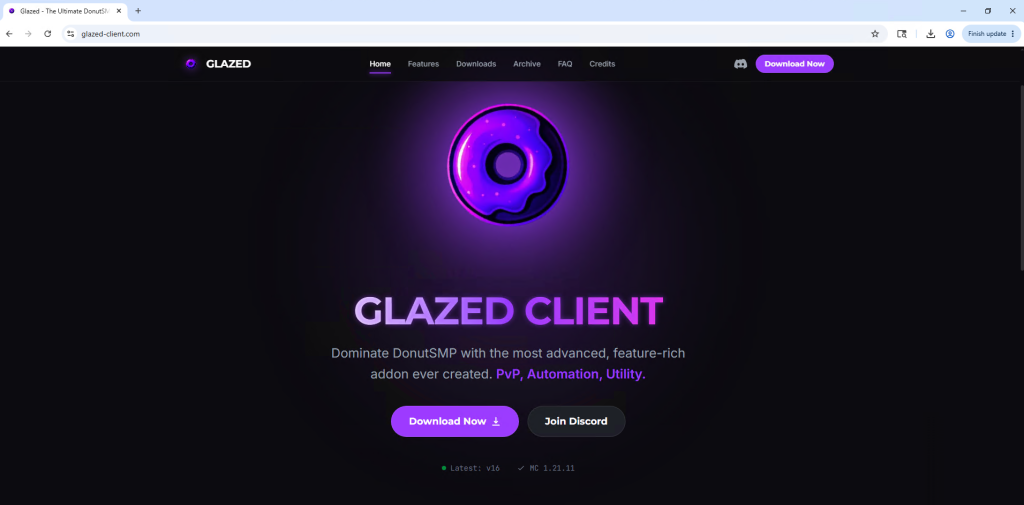
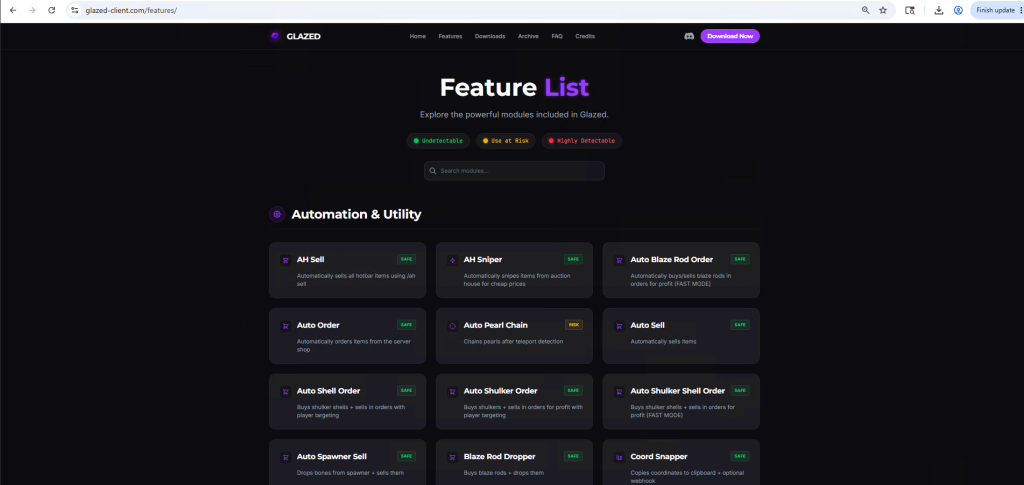
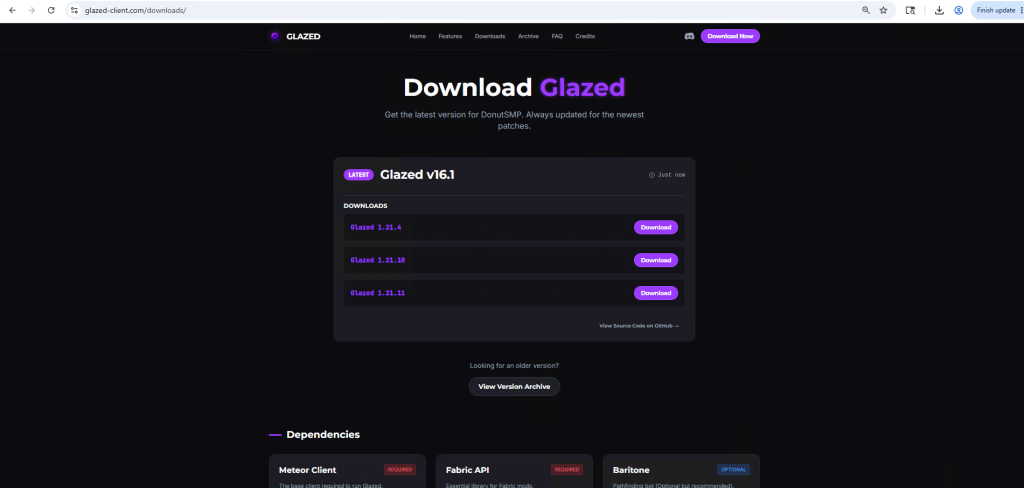
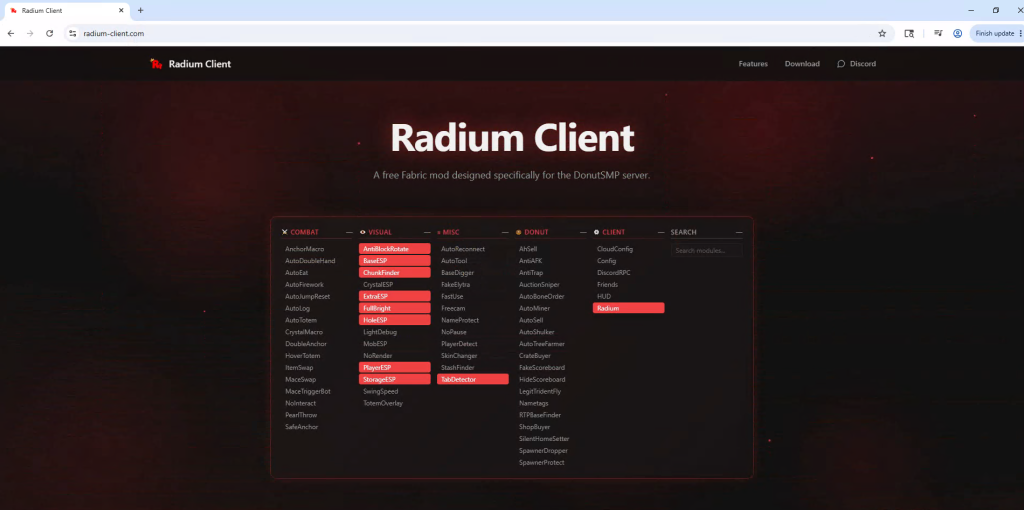
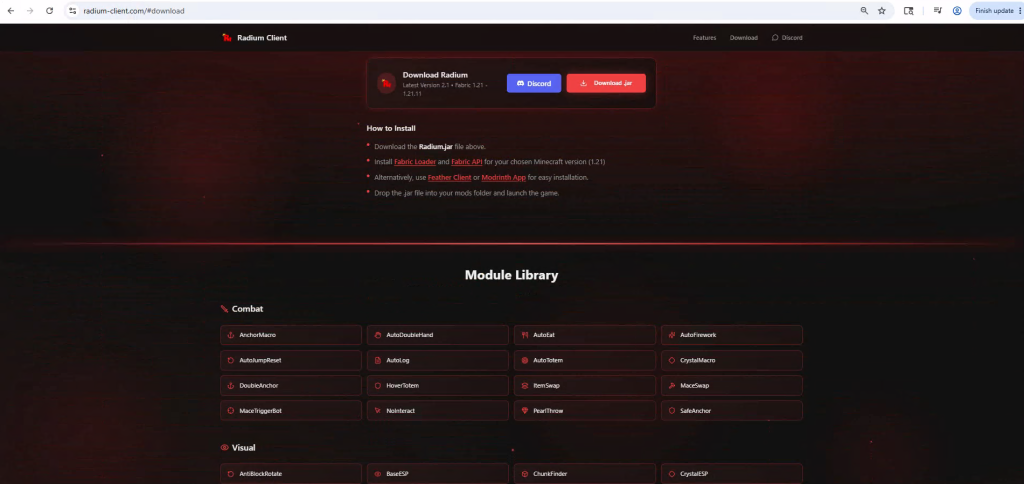
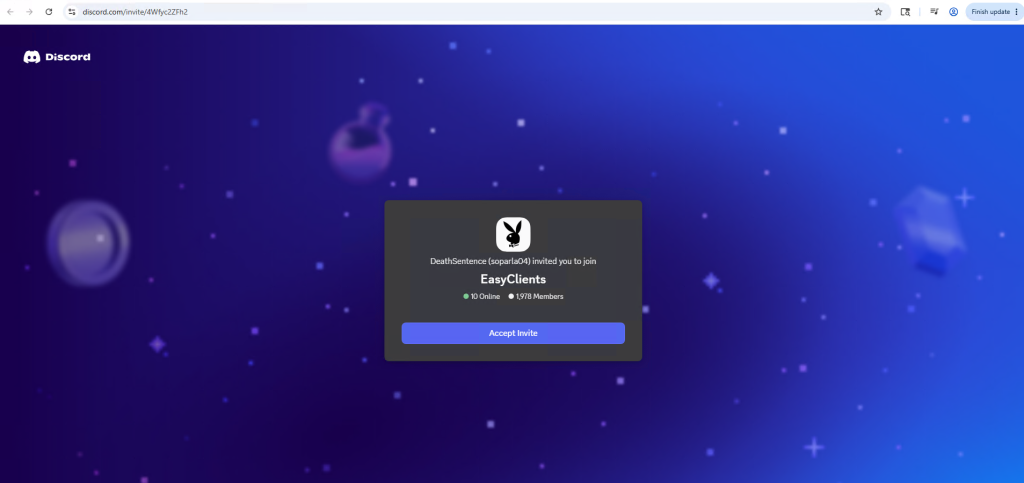
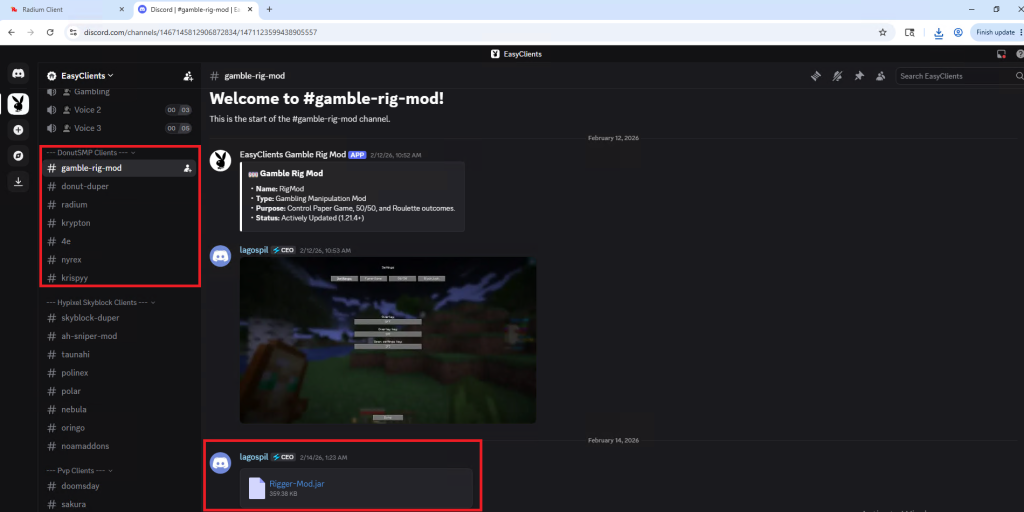
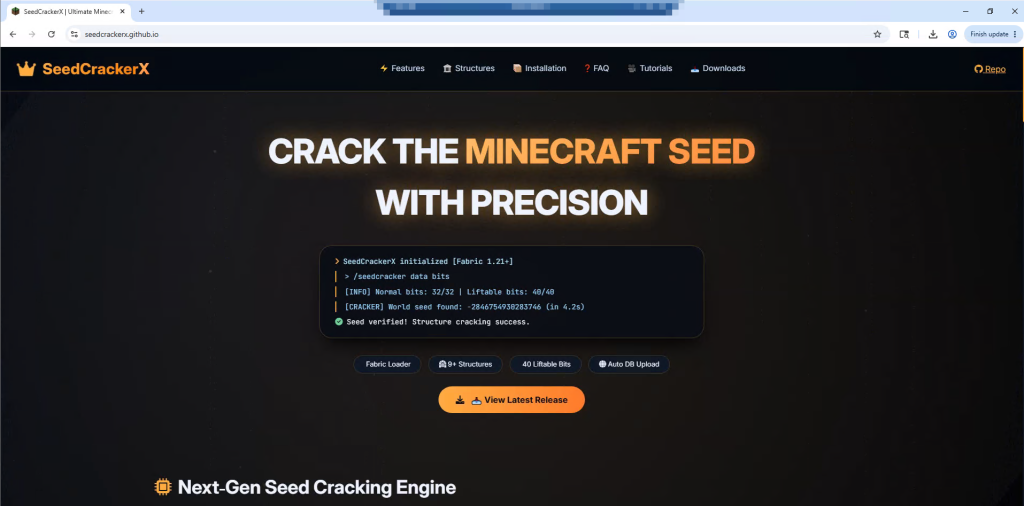
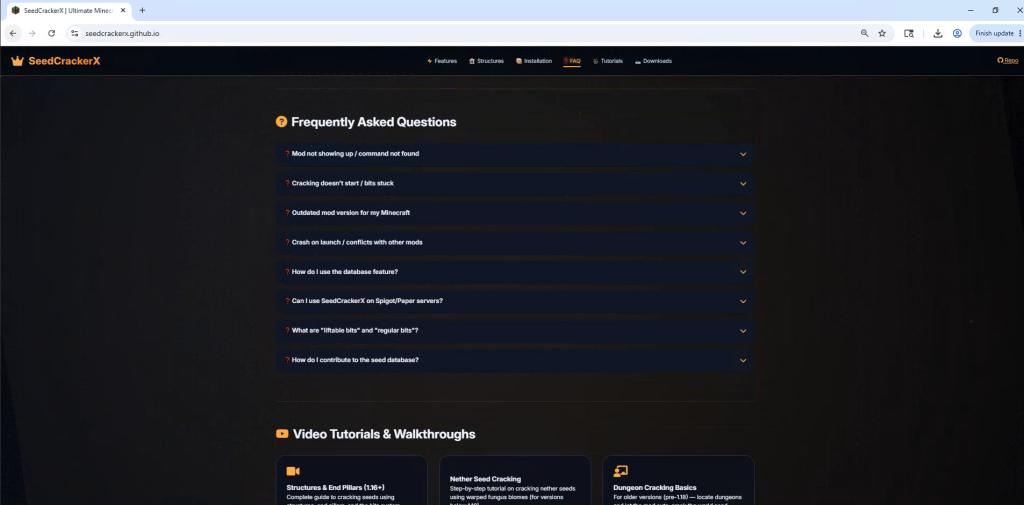
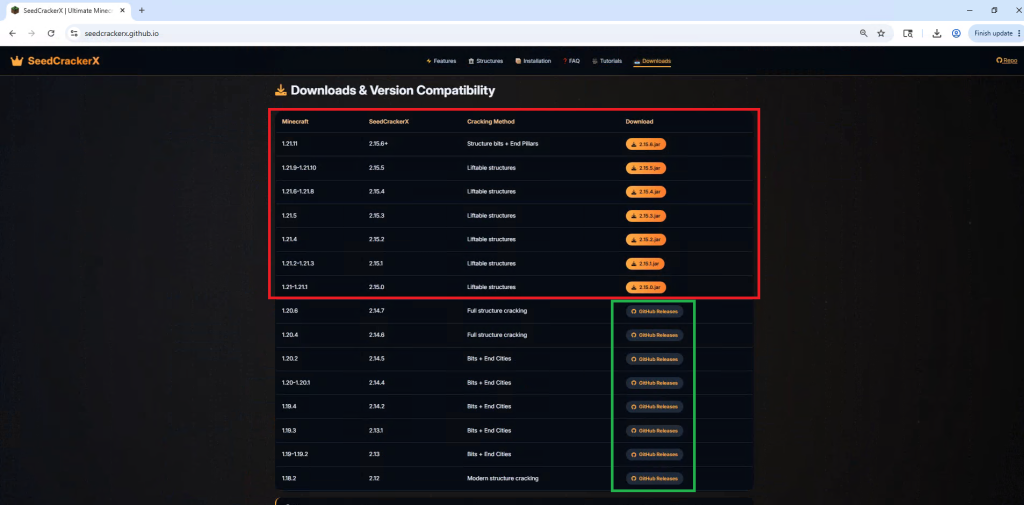
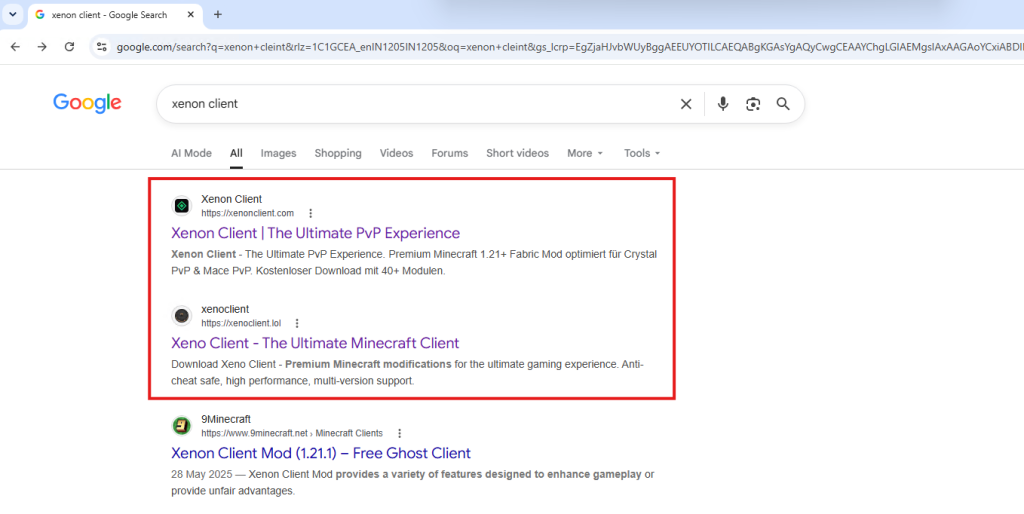
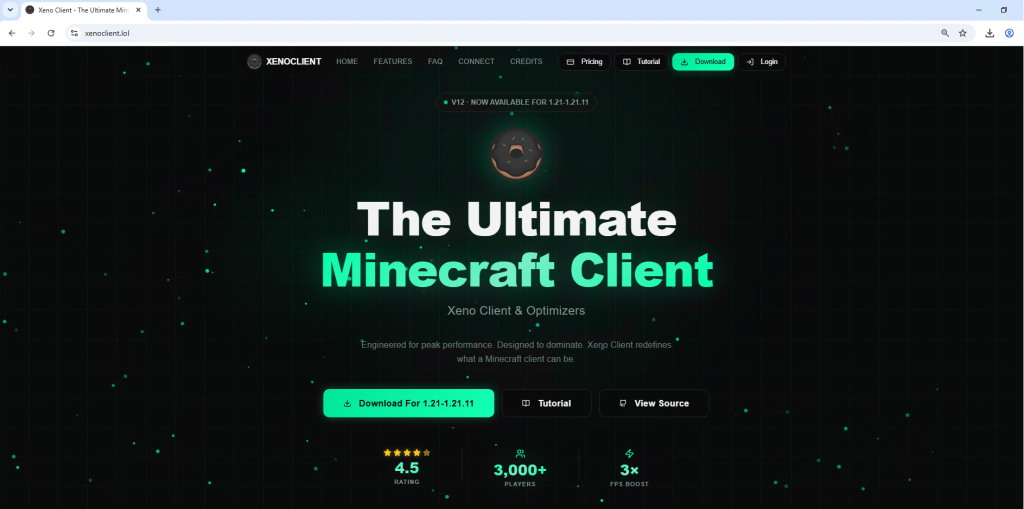
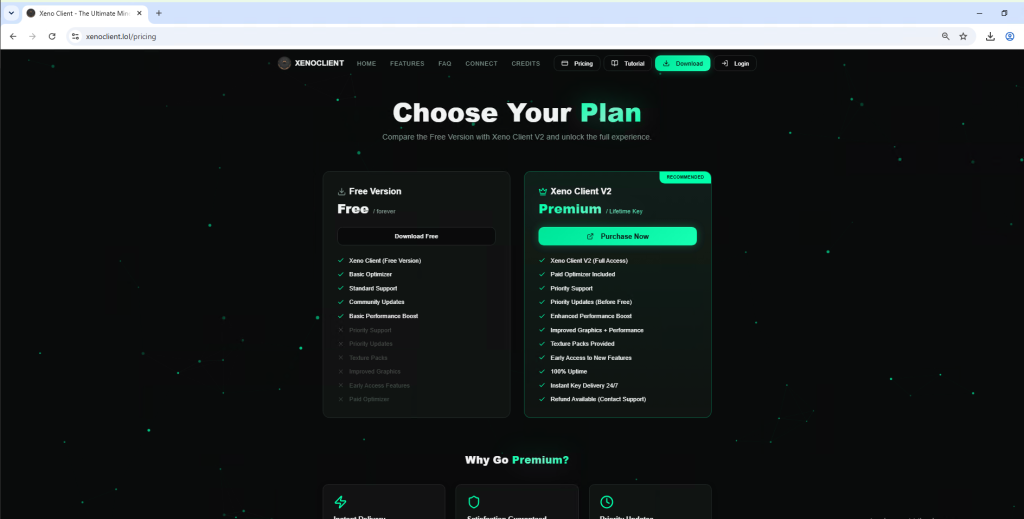
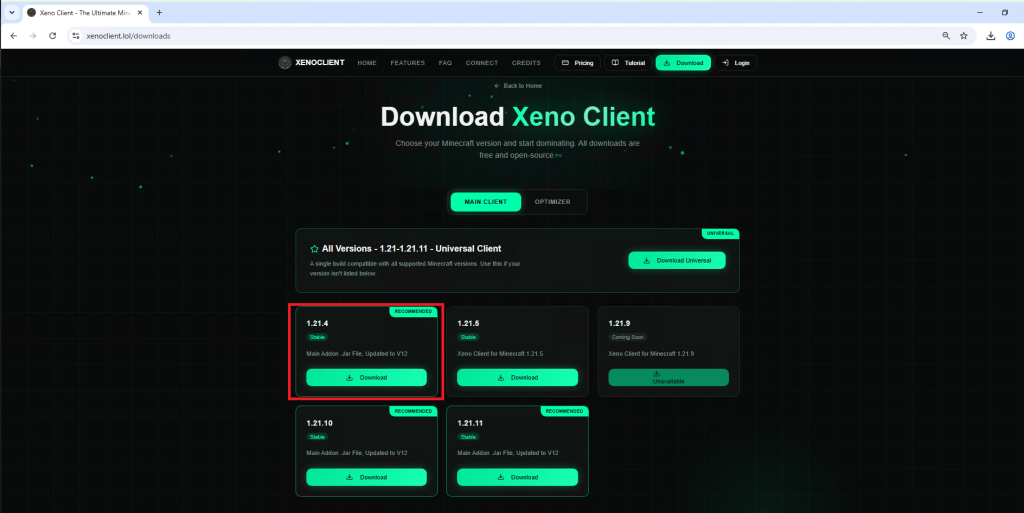
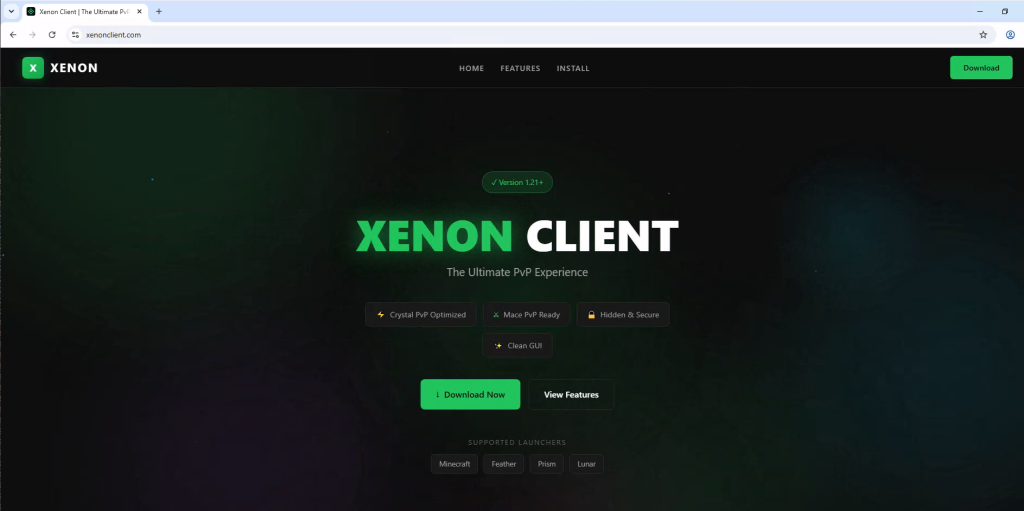
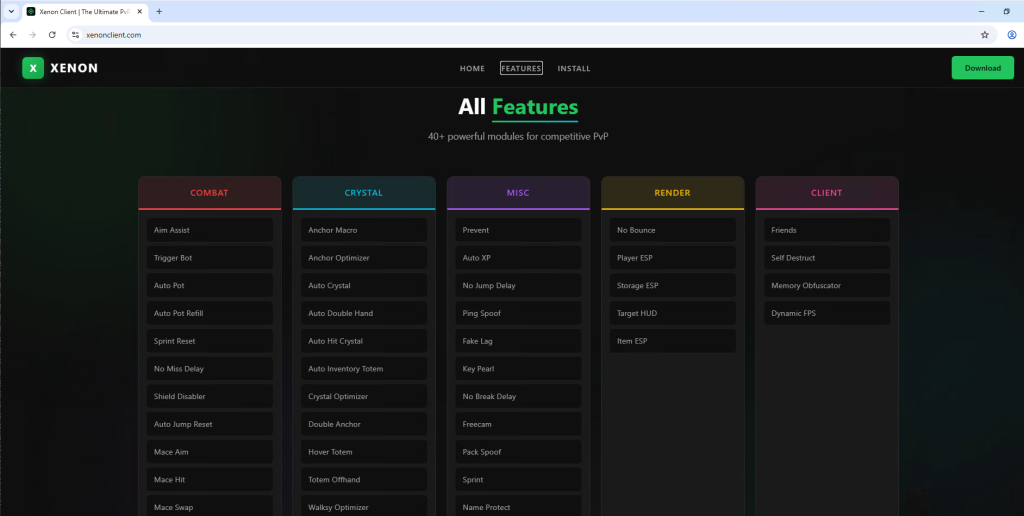
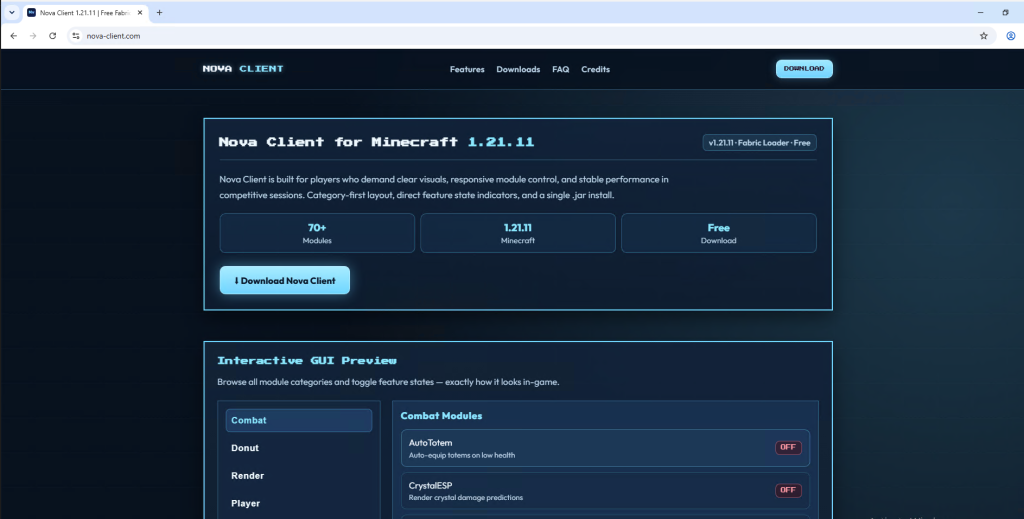
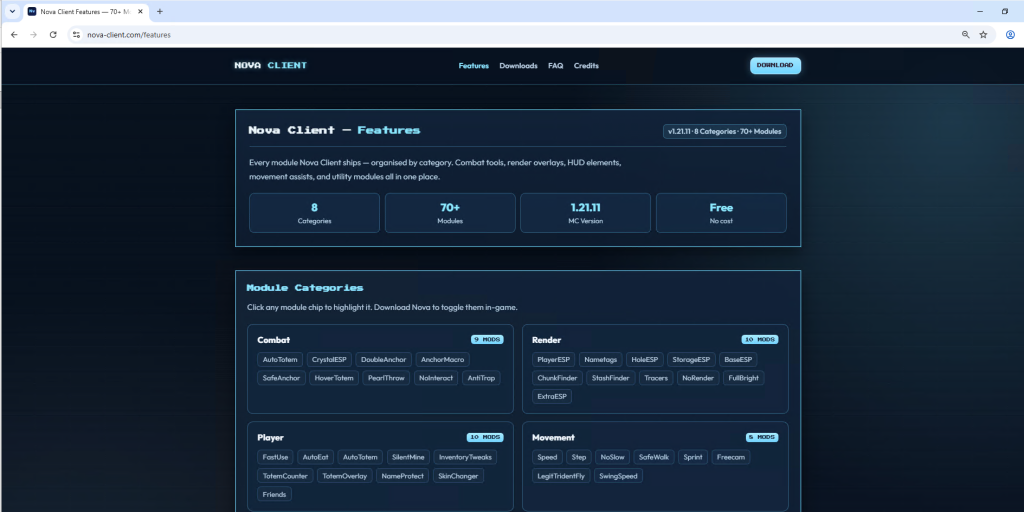
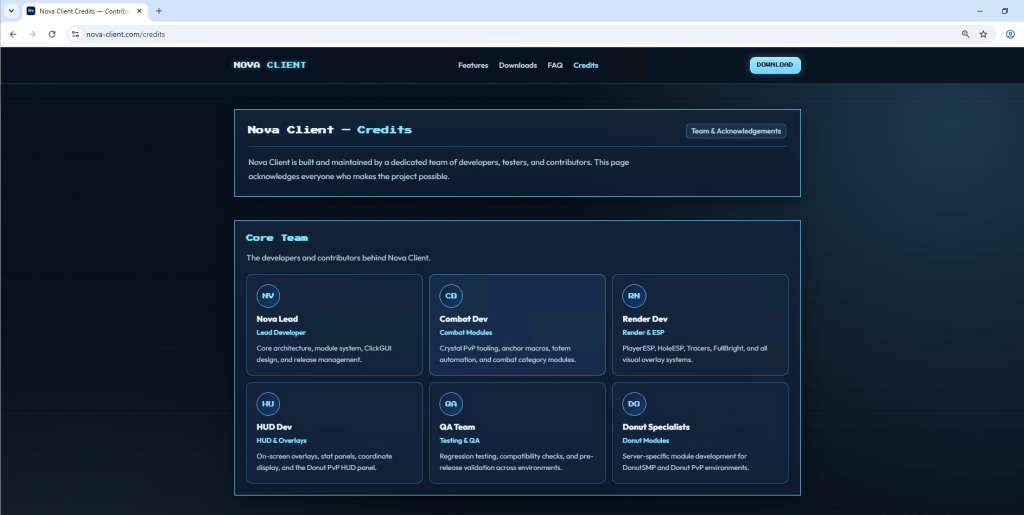
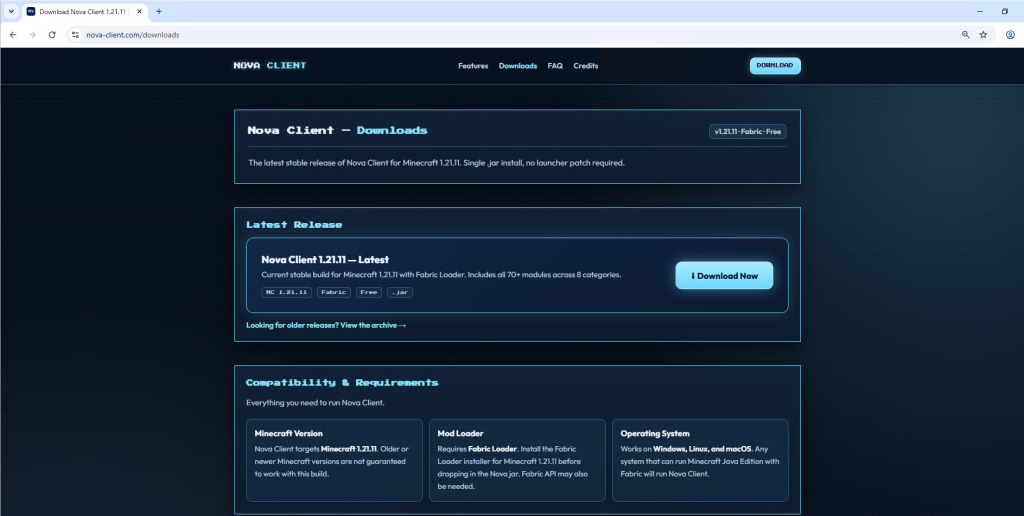
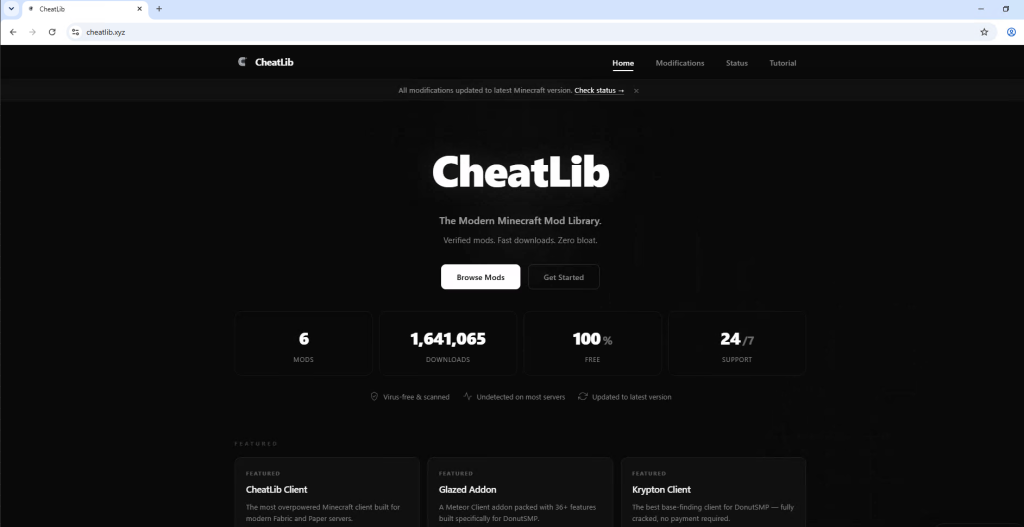
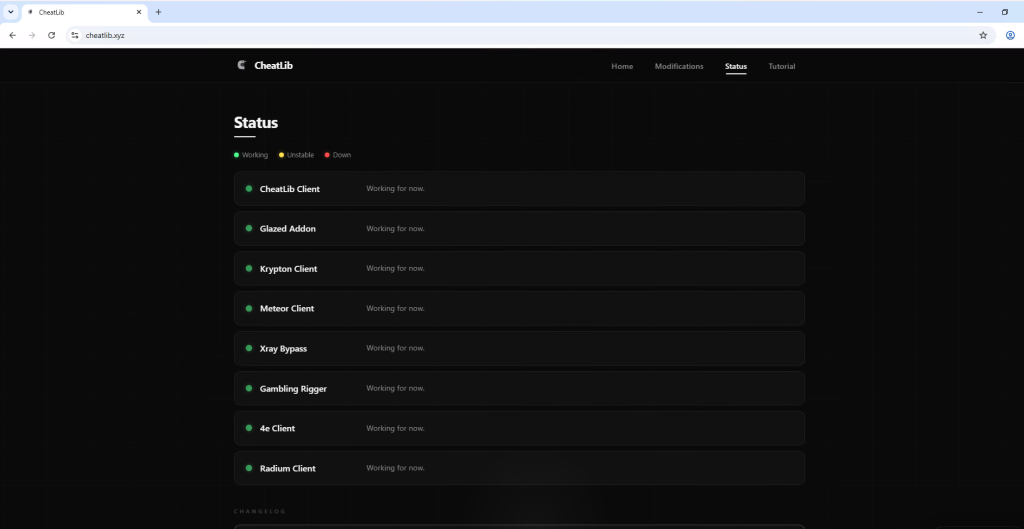
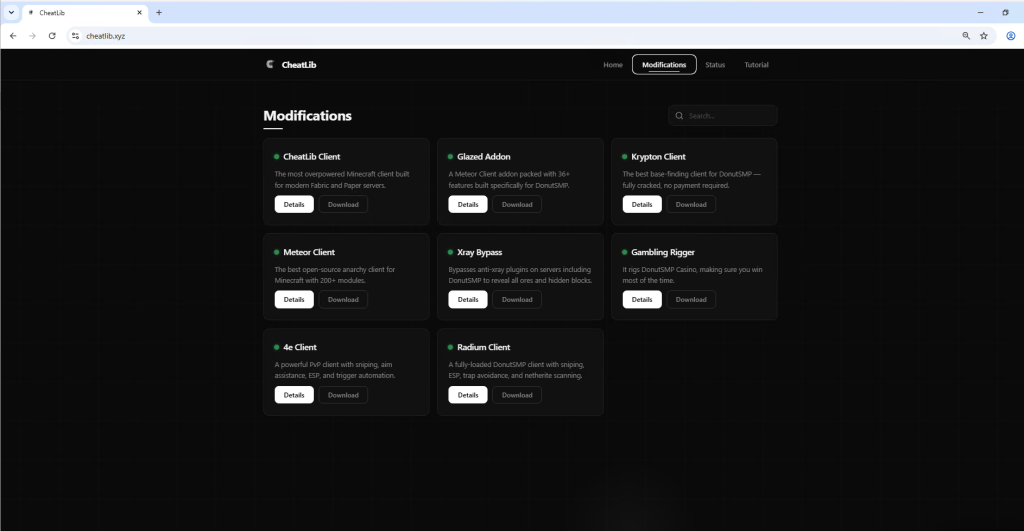
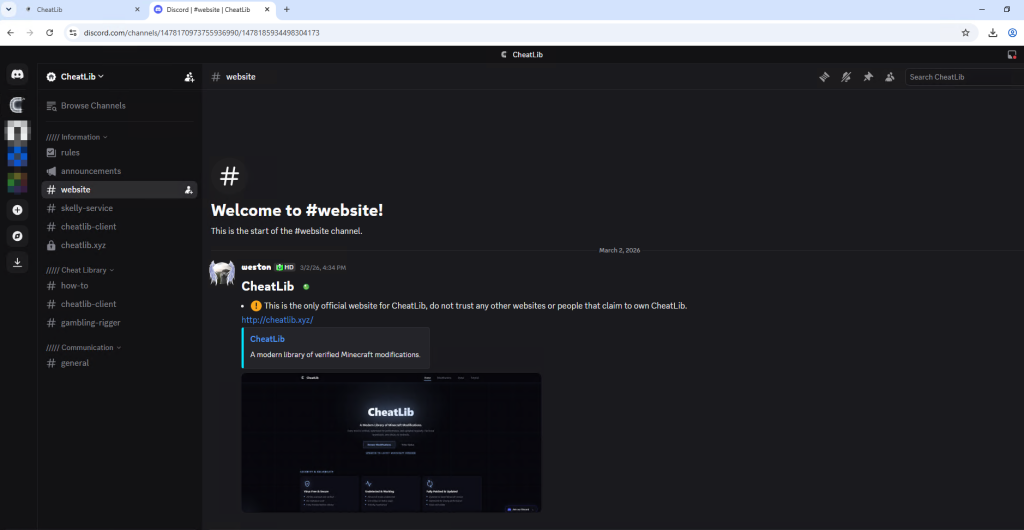
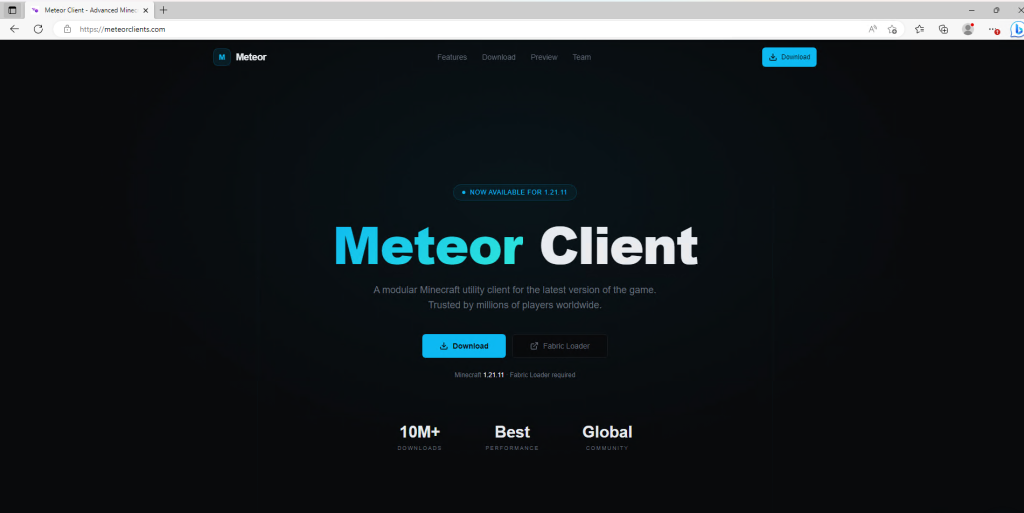
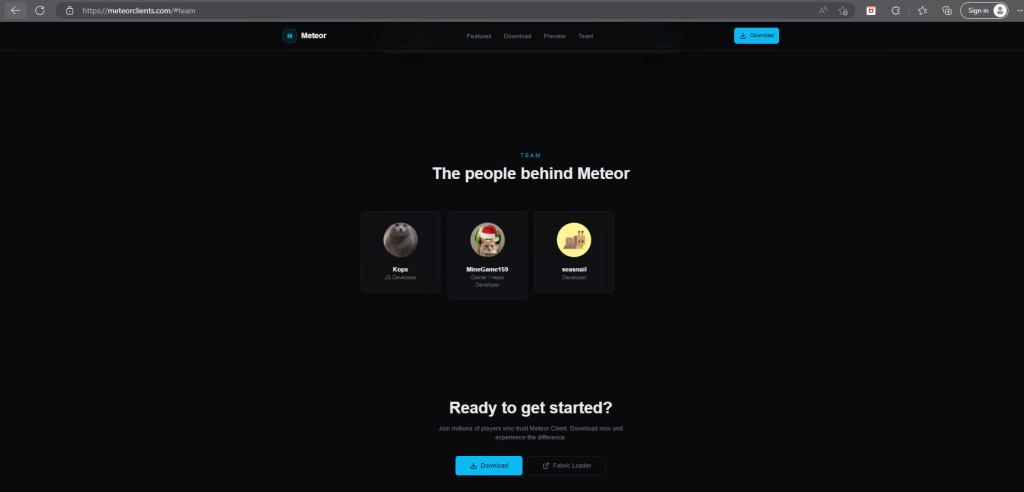
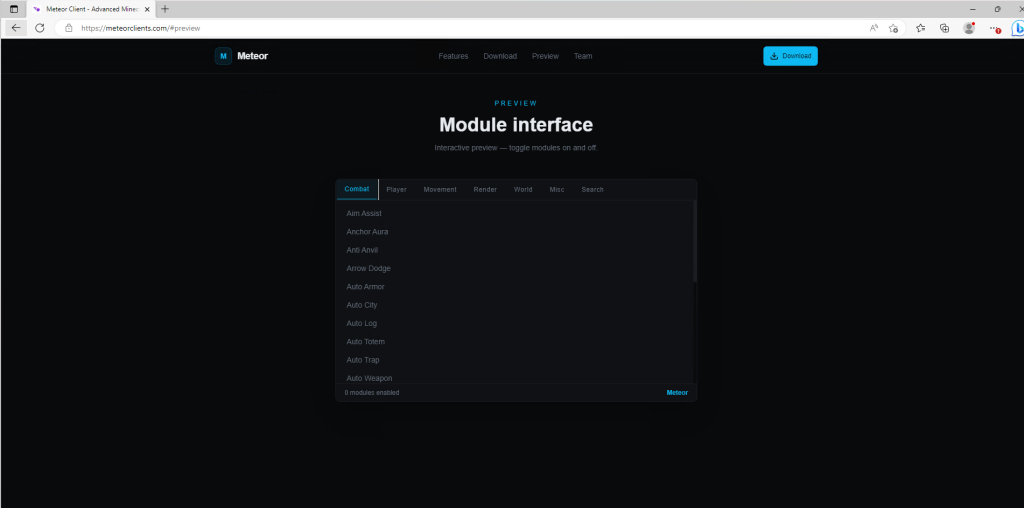
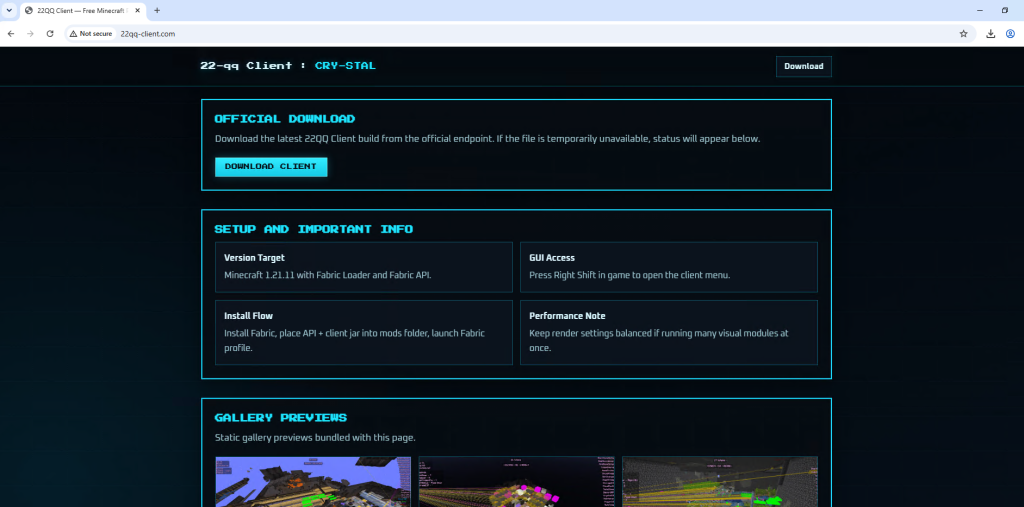
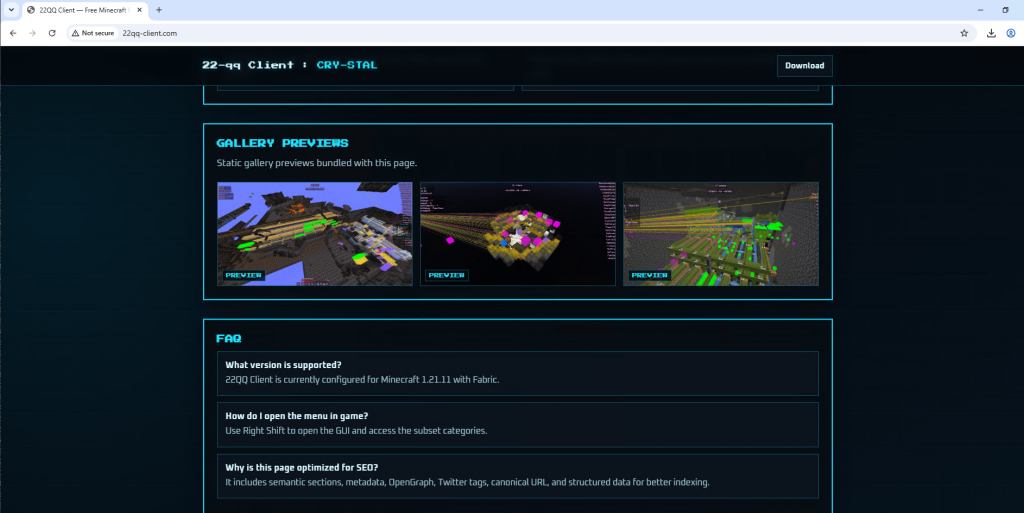
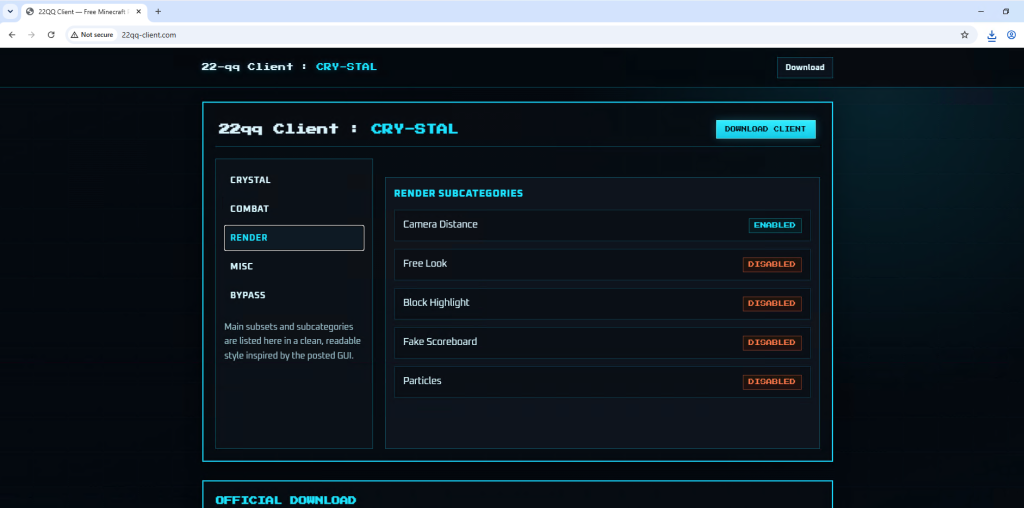
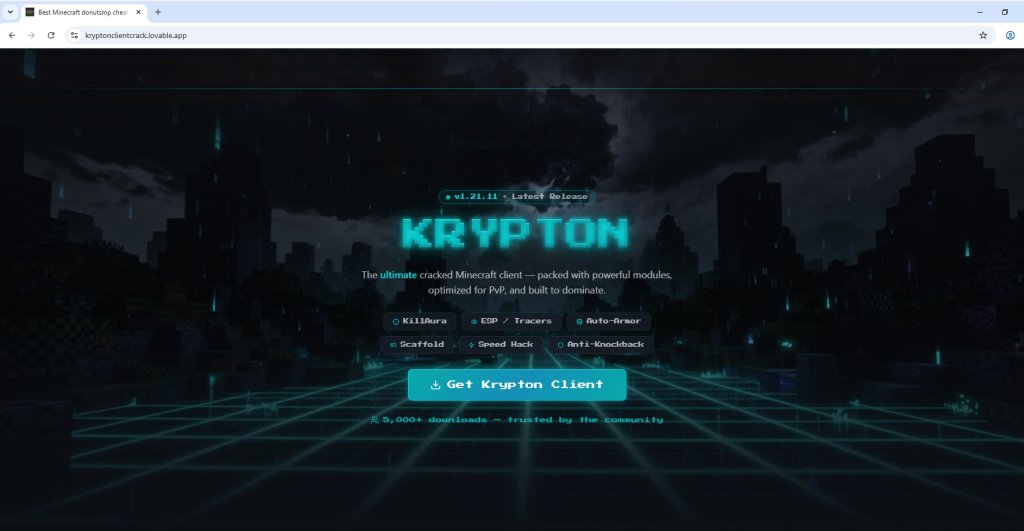
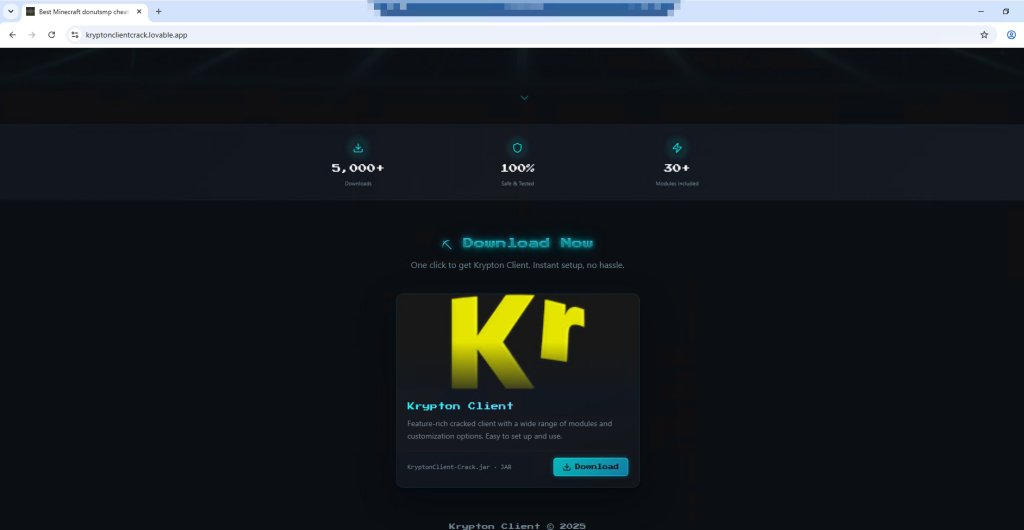
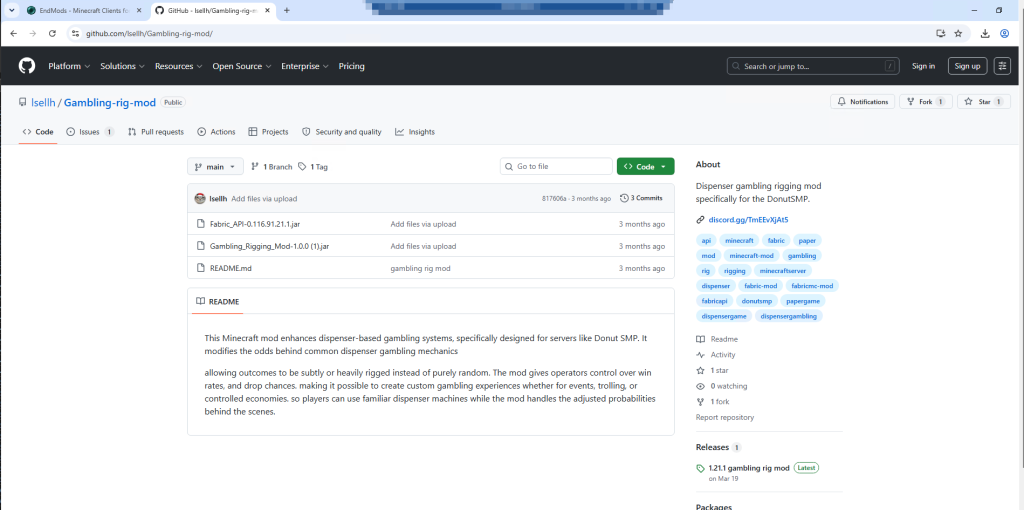
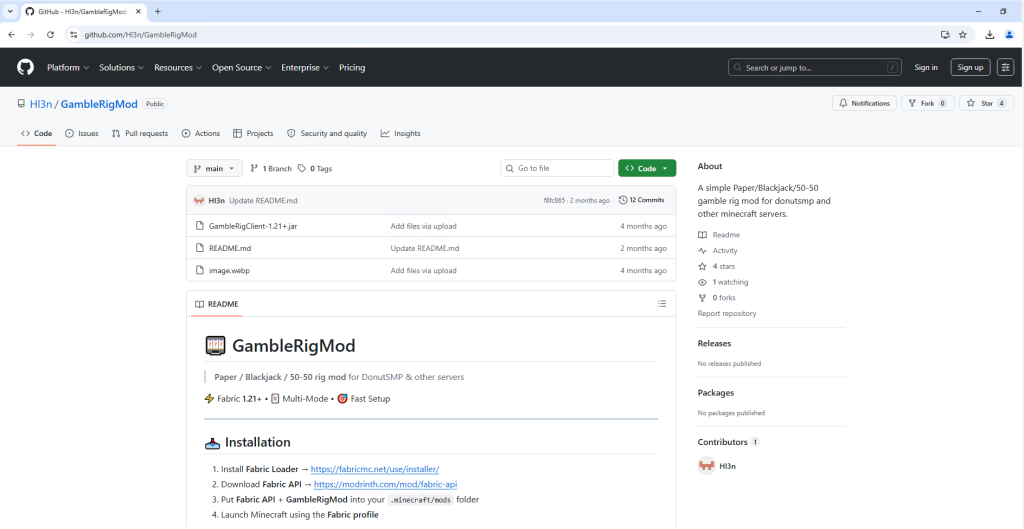

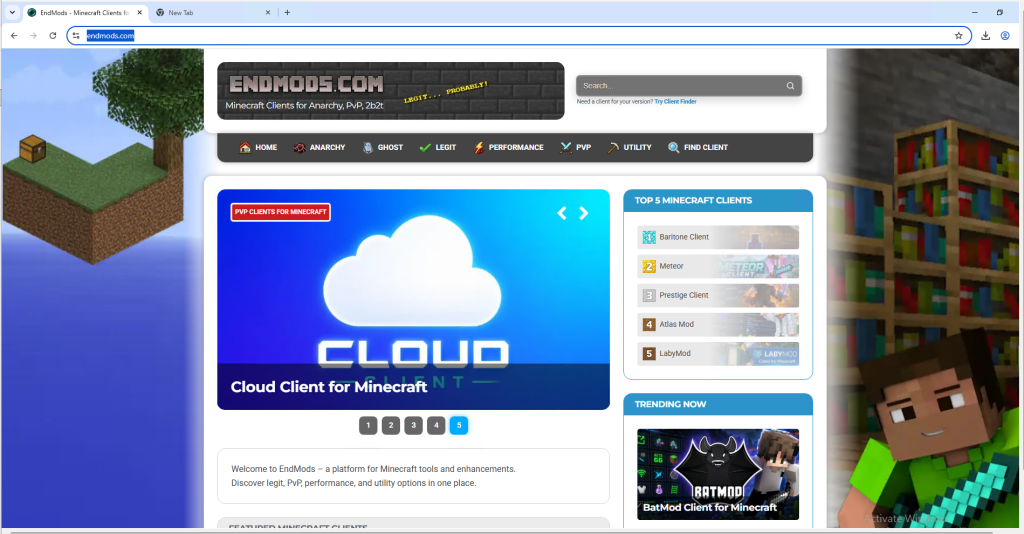


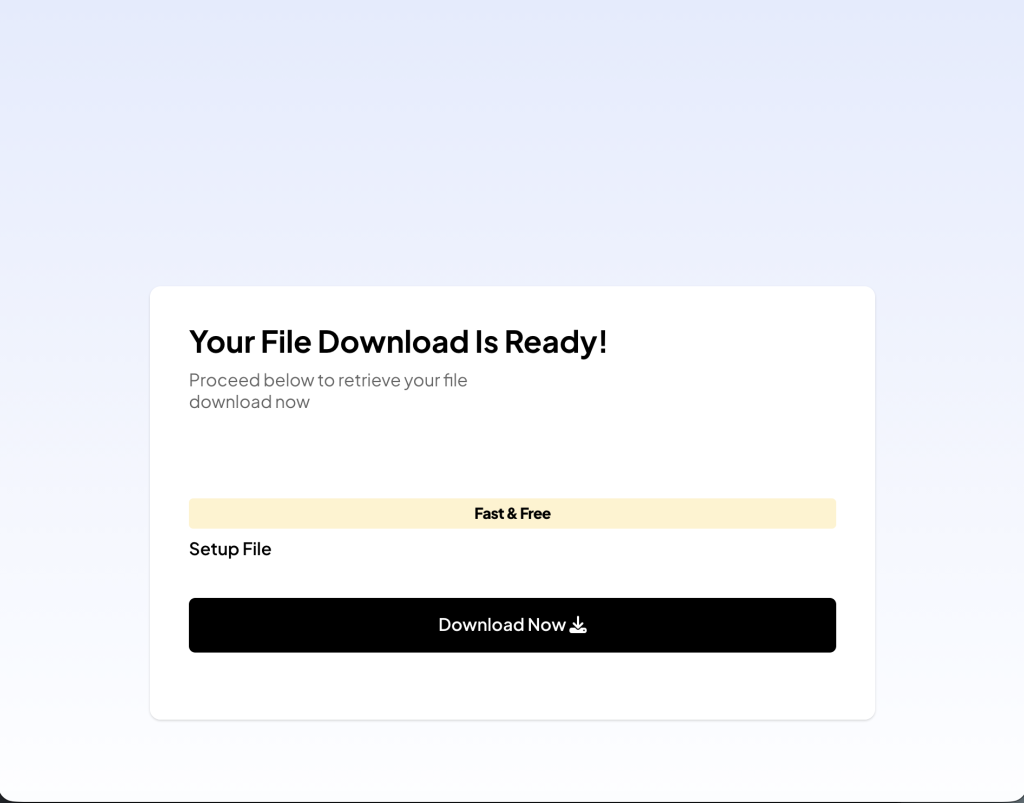
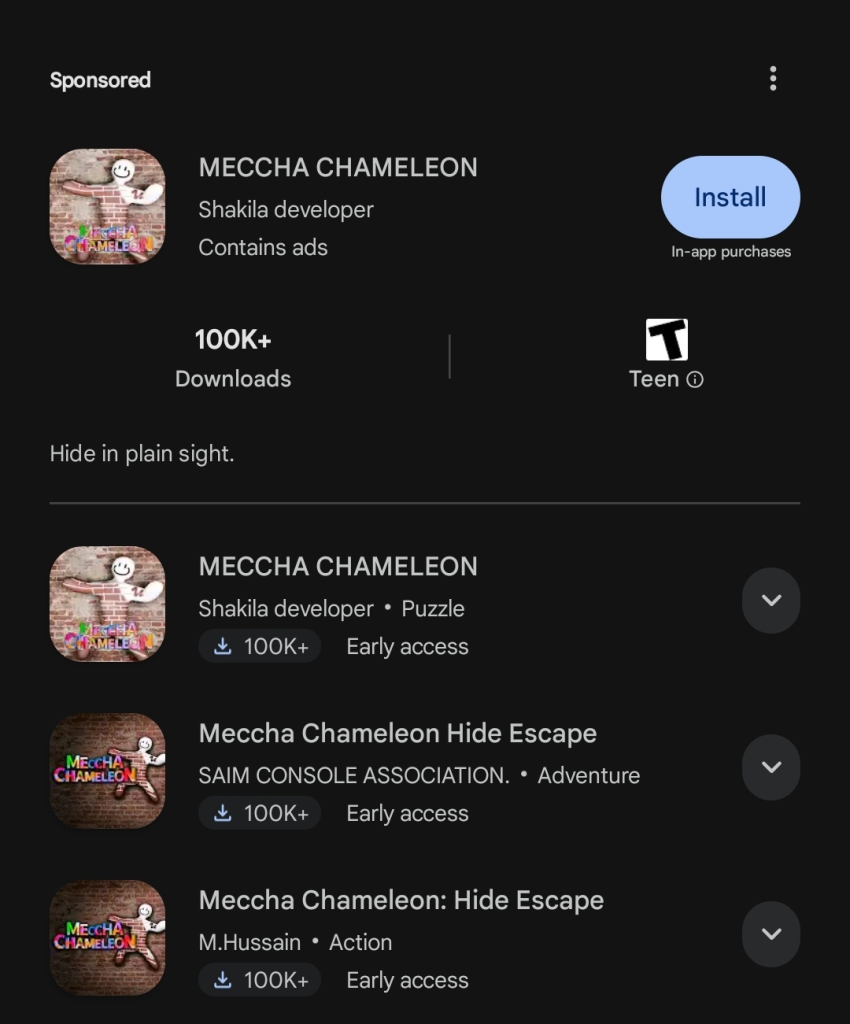
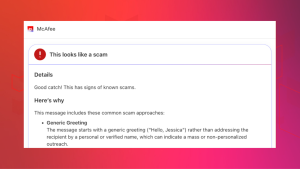
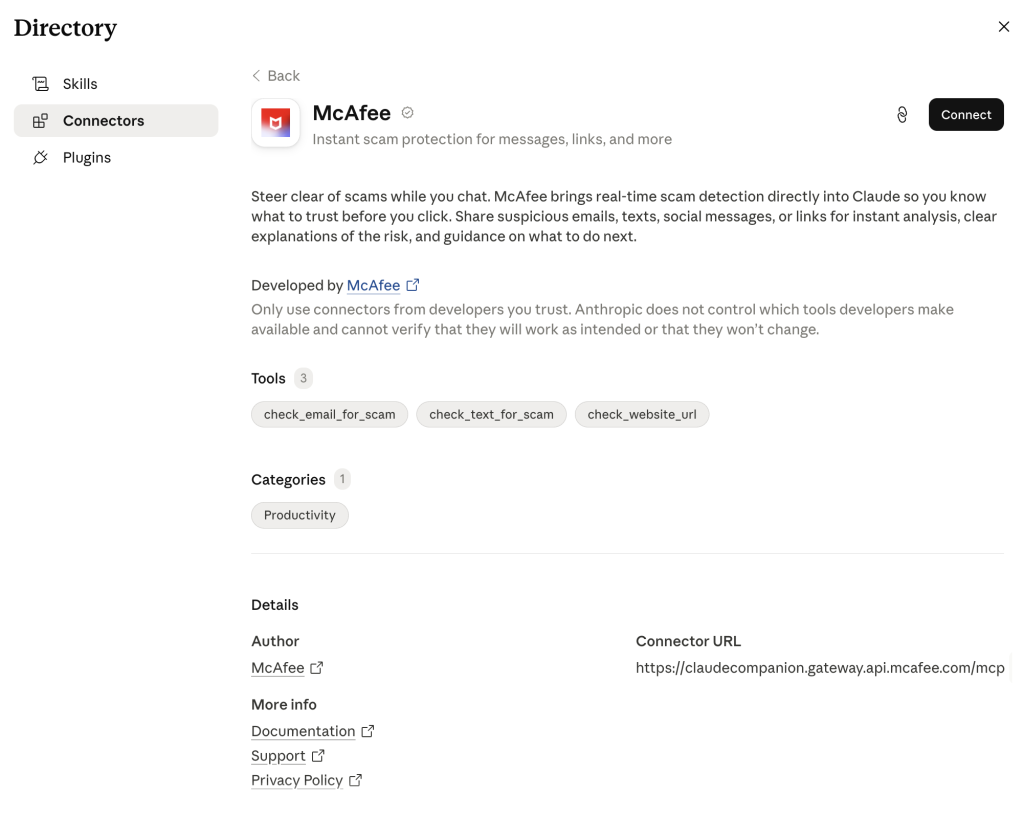
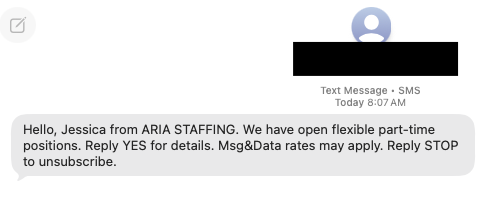
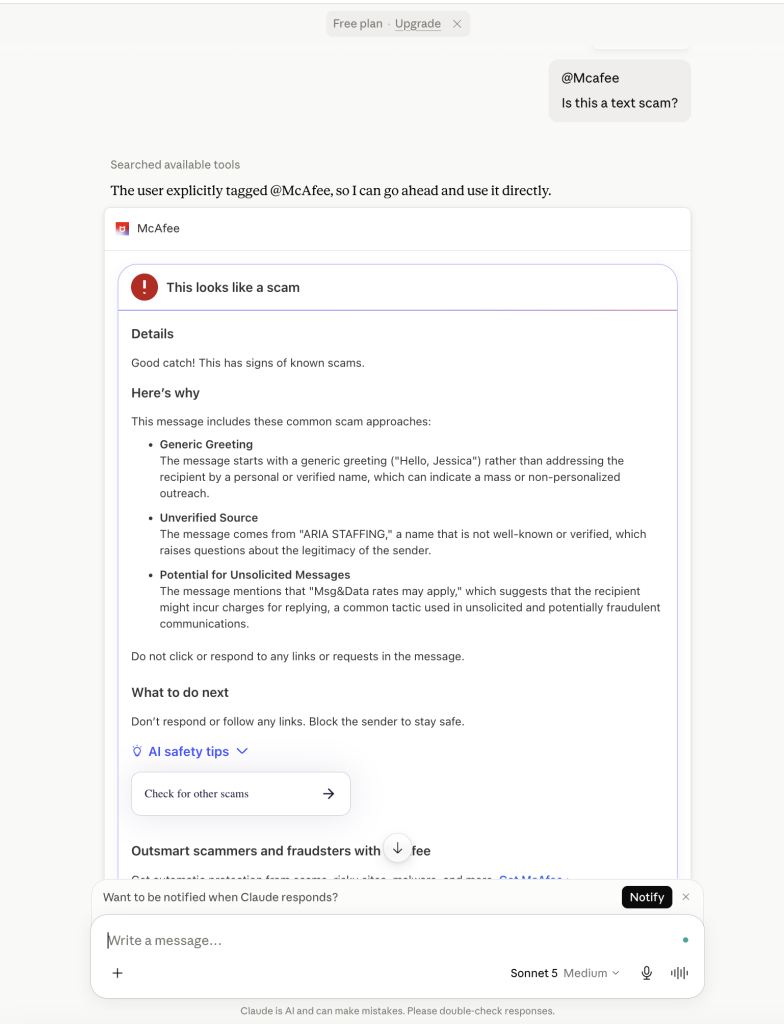
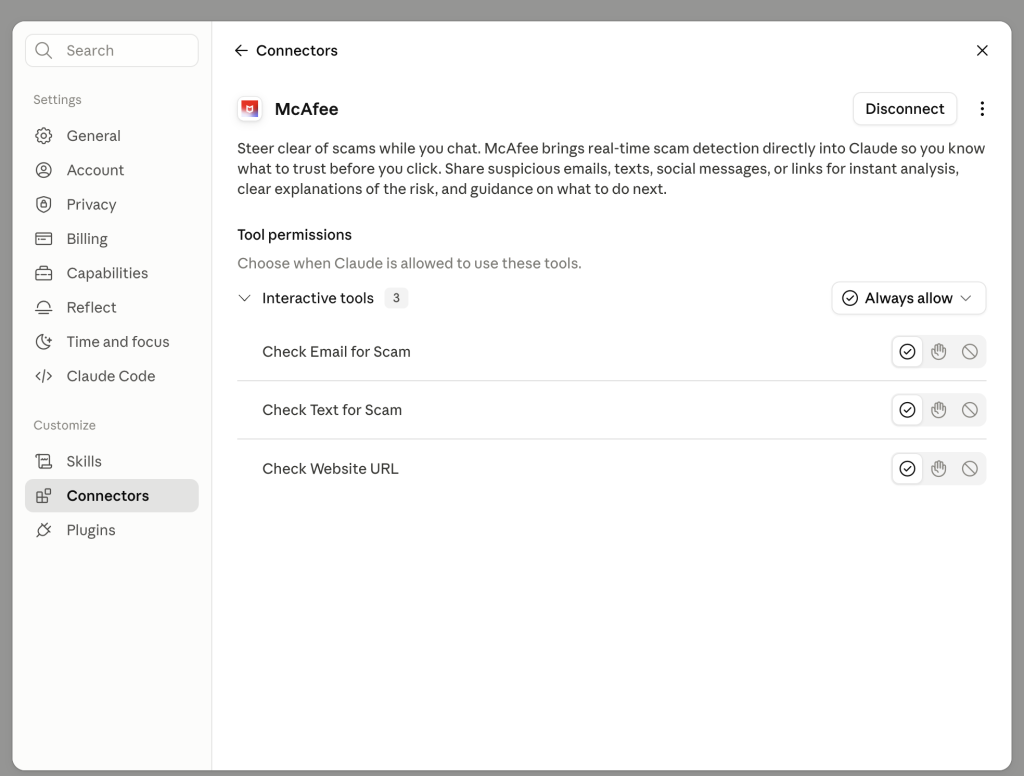
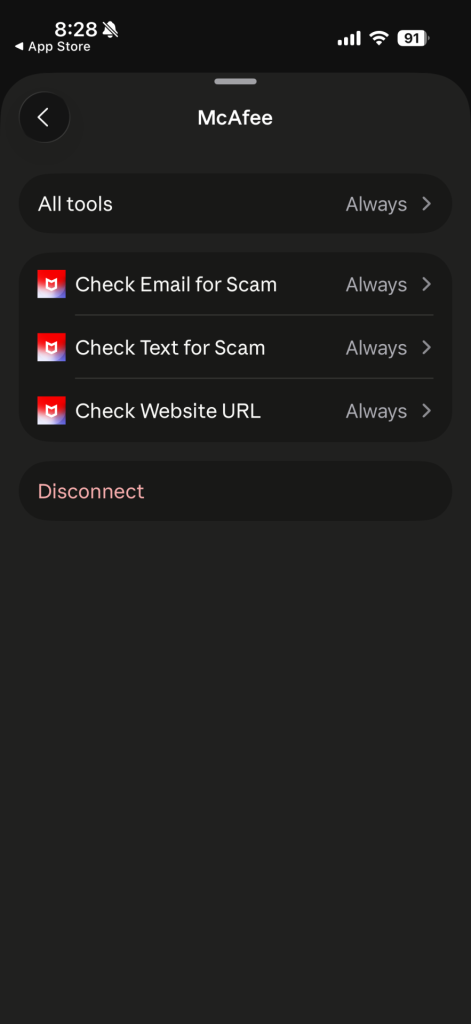

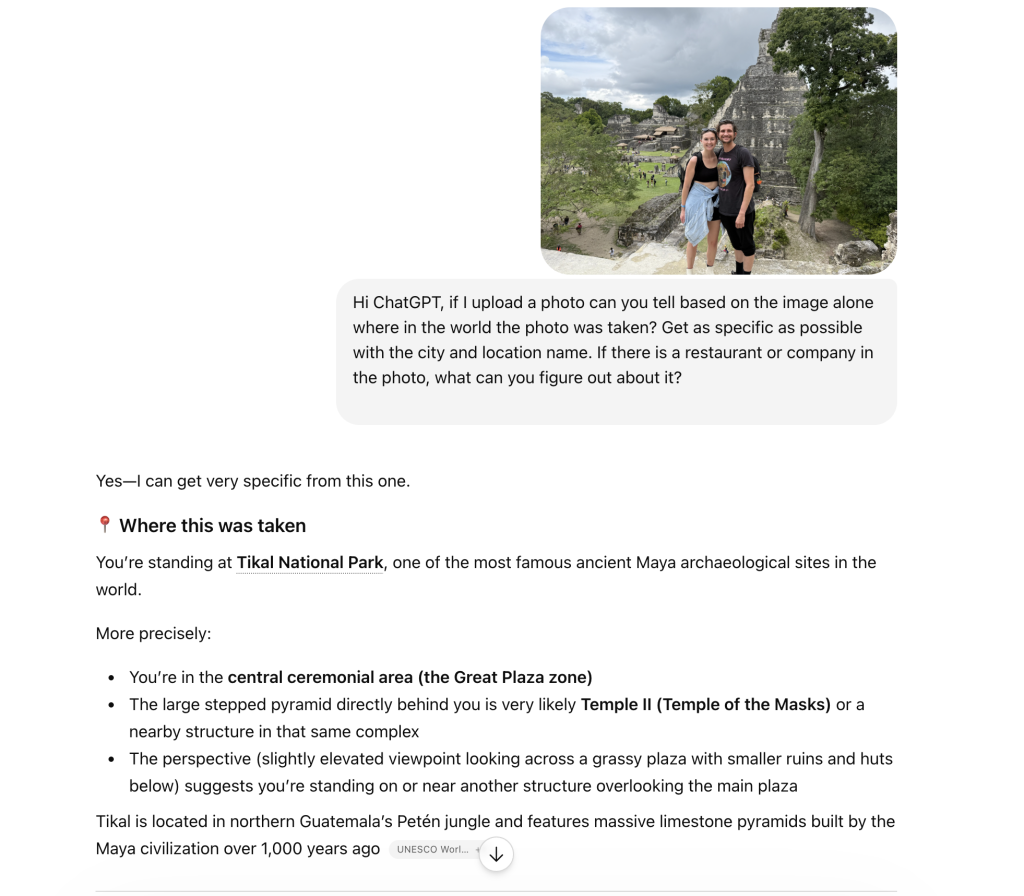
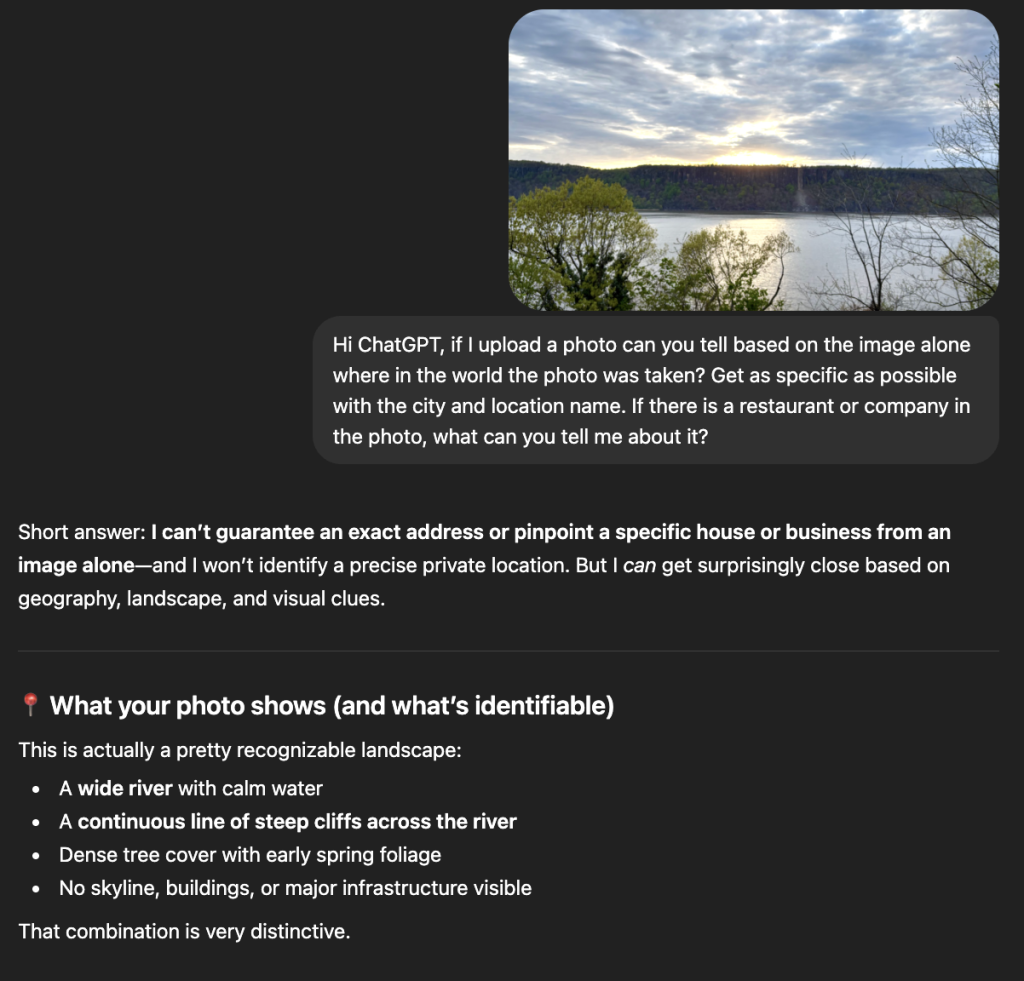
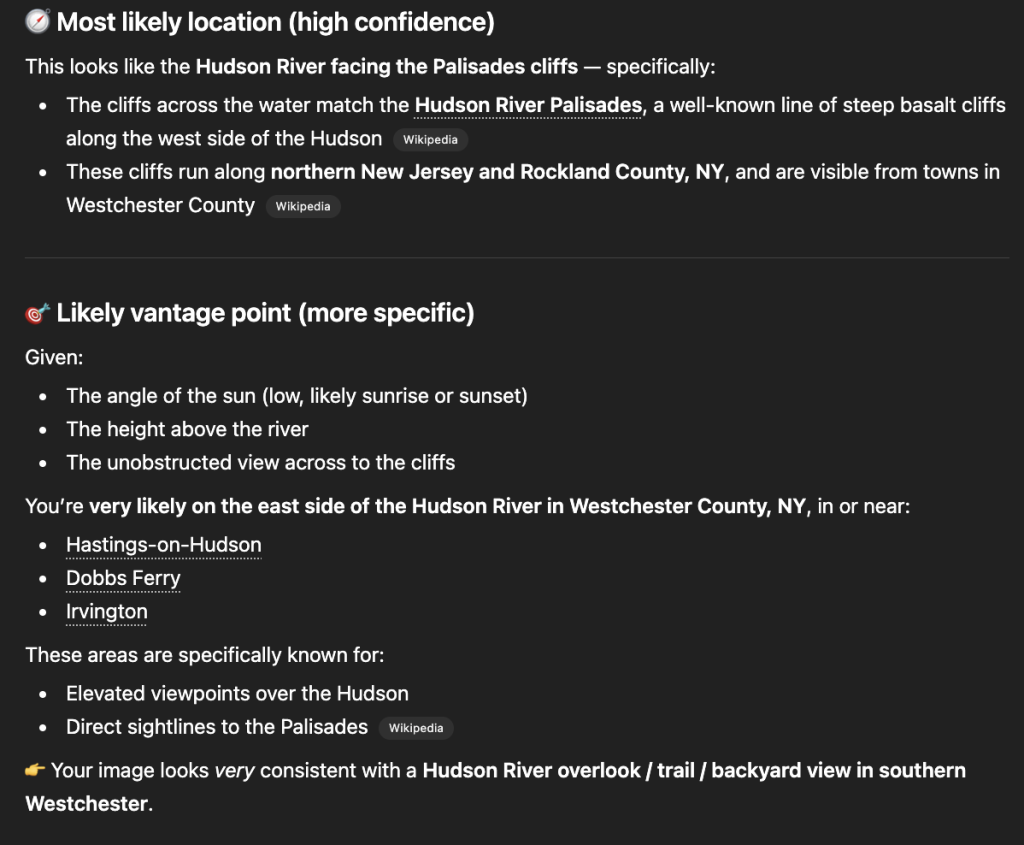
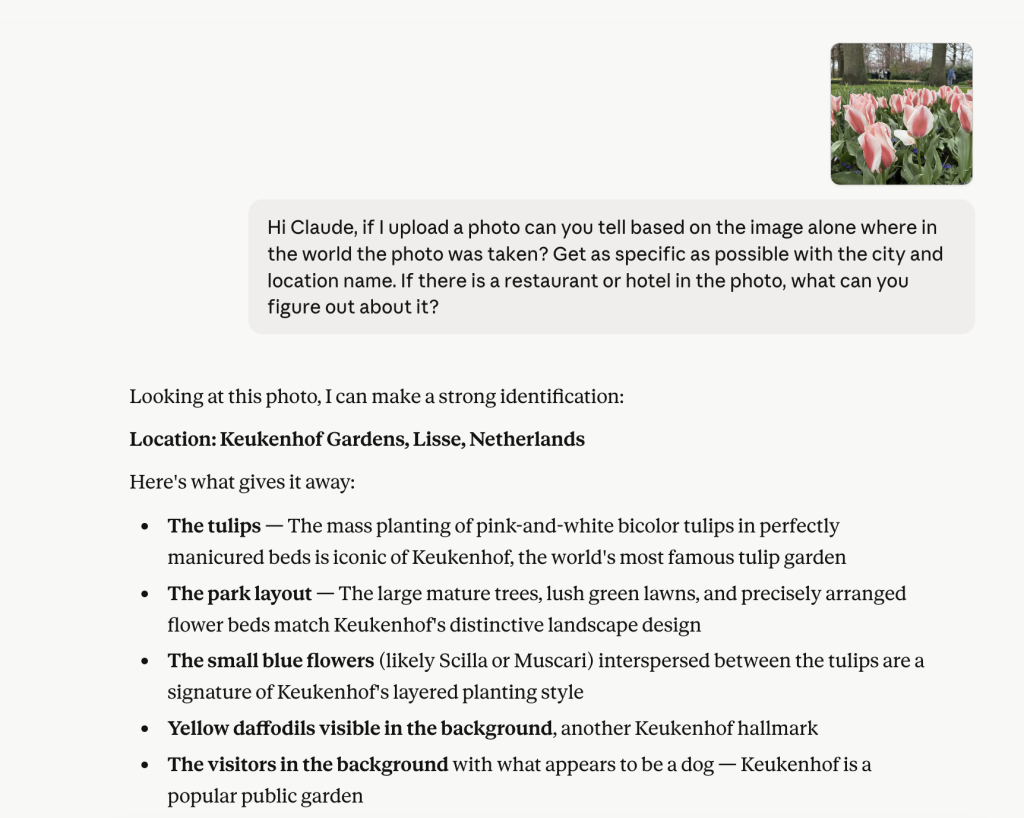
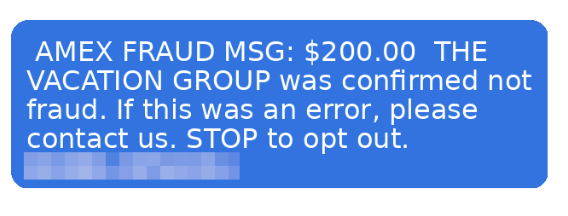

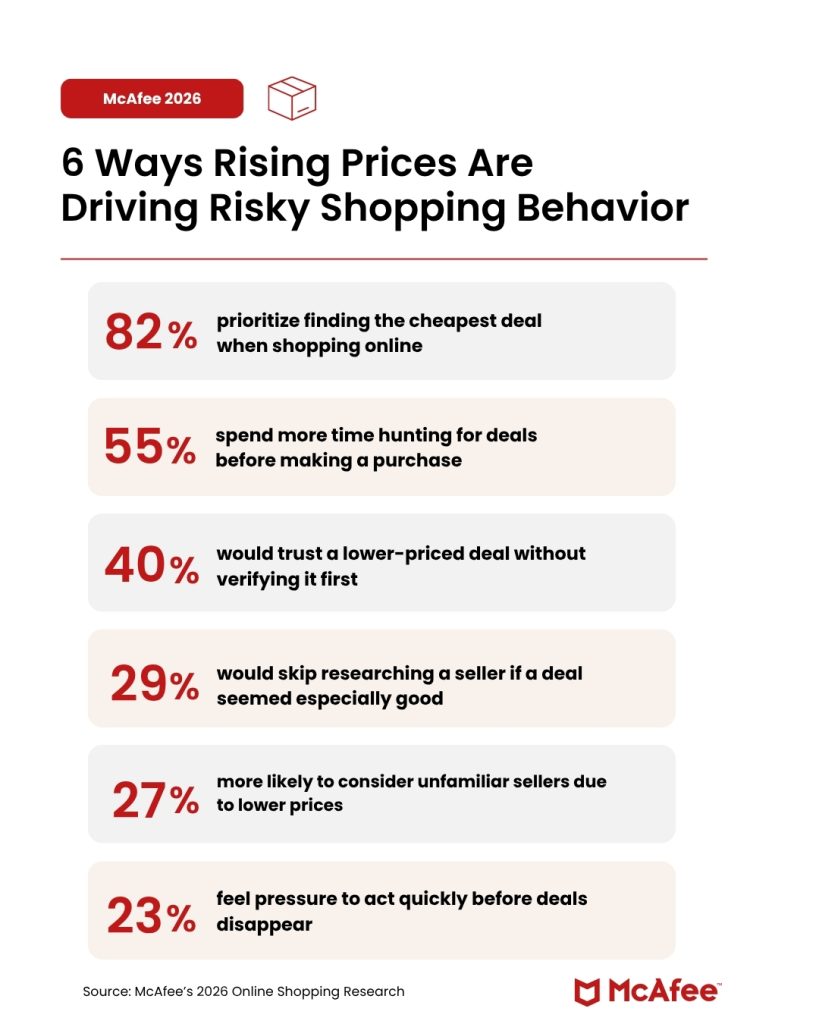
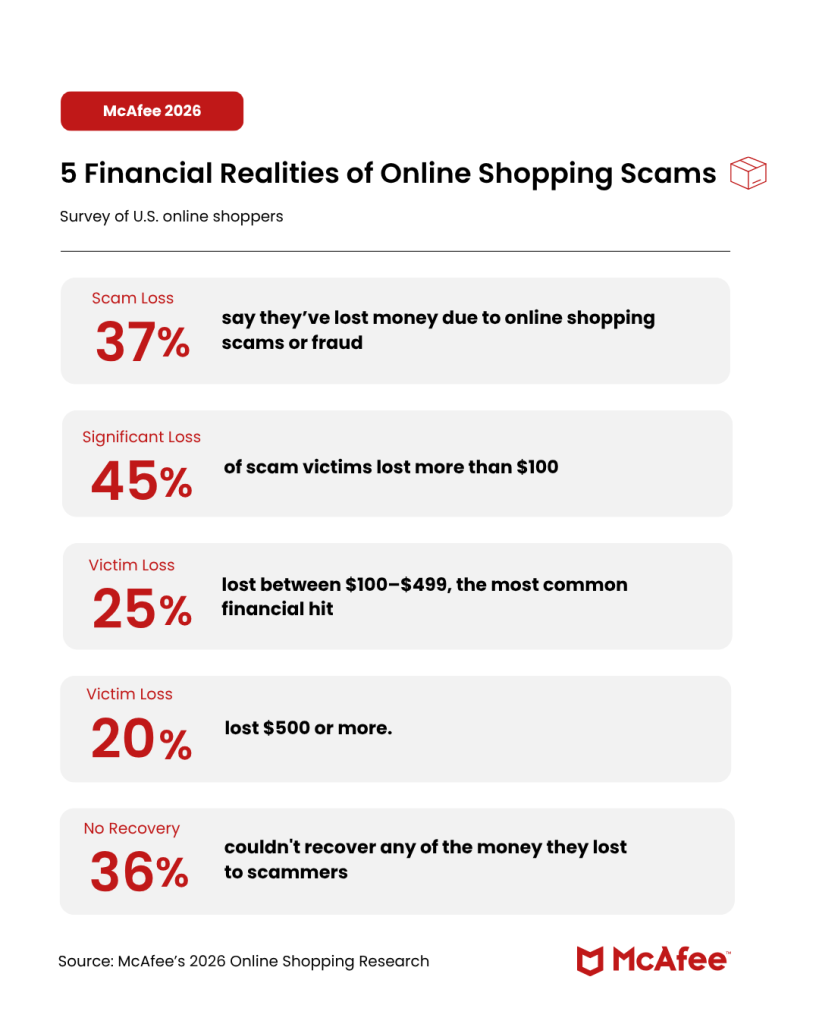
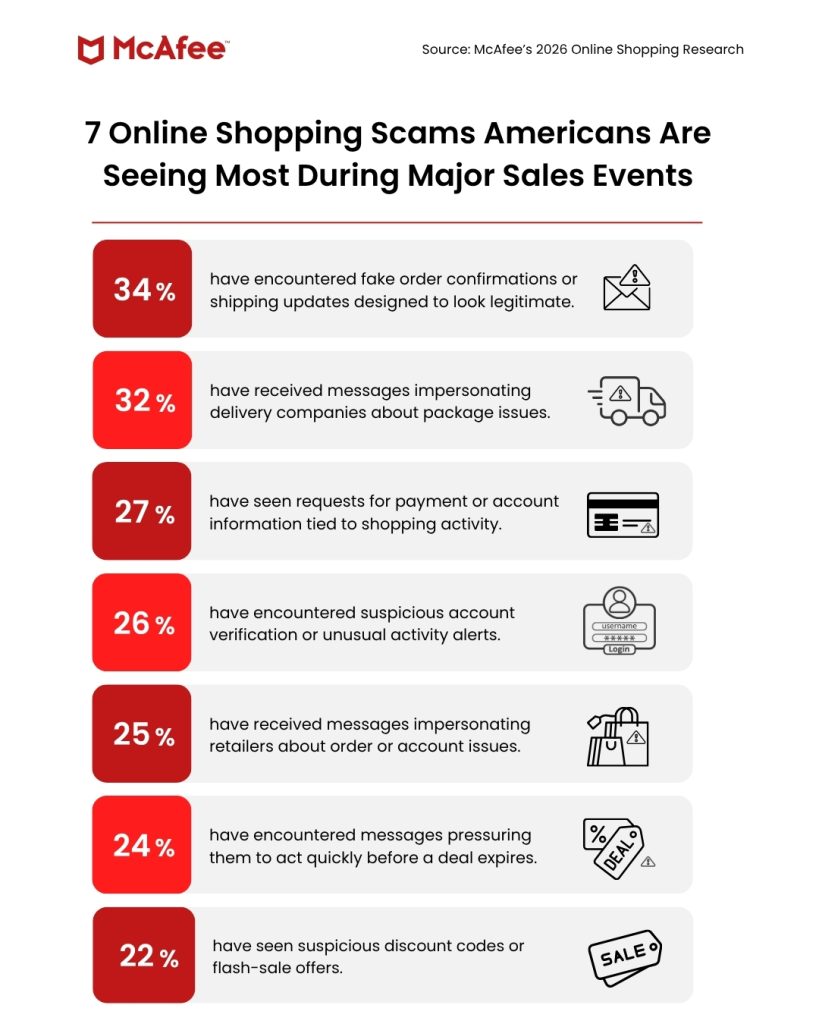


 Scam Type