FreshRSS

πŸ”’
❌ Secure Planet Training Courses Updated For 2019 - Click Here
There are new available articles, click to refresh the page.
☐ β˜† βœ‡ Troy Hunt

You'll Soon Be Able to Sign in to Have I Been Pwned (but Not Login, Log in or Log On)

By: Troy Hunt β€” April 24th 2025 at 05:48
You'll Soon Be Able to Sign in to Have I Been Pwned (but Not Login, Log in or Log On)

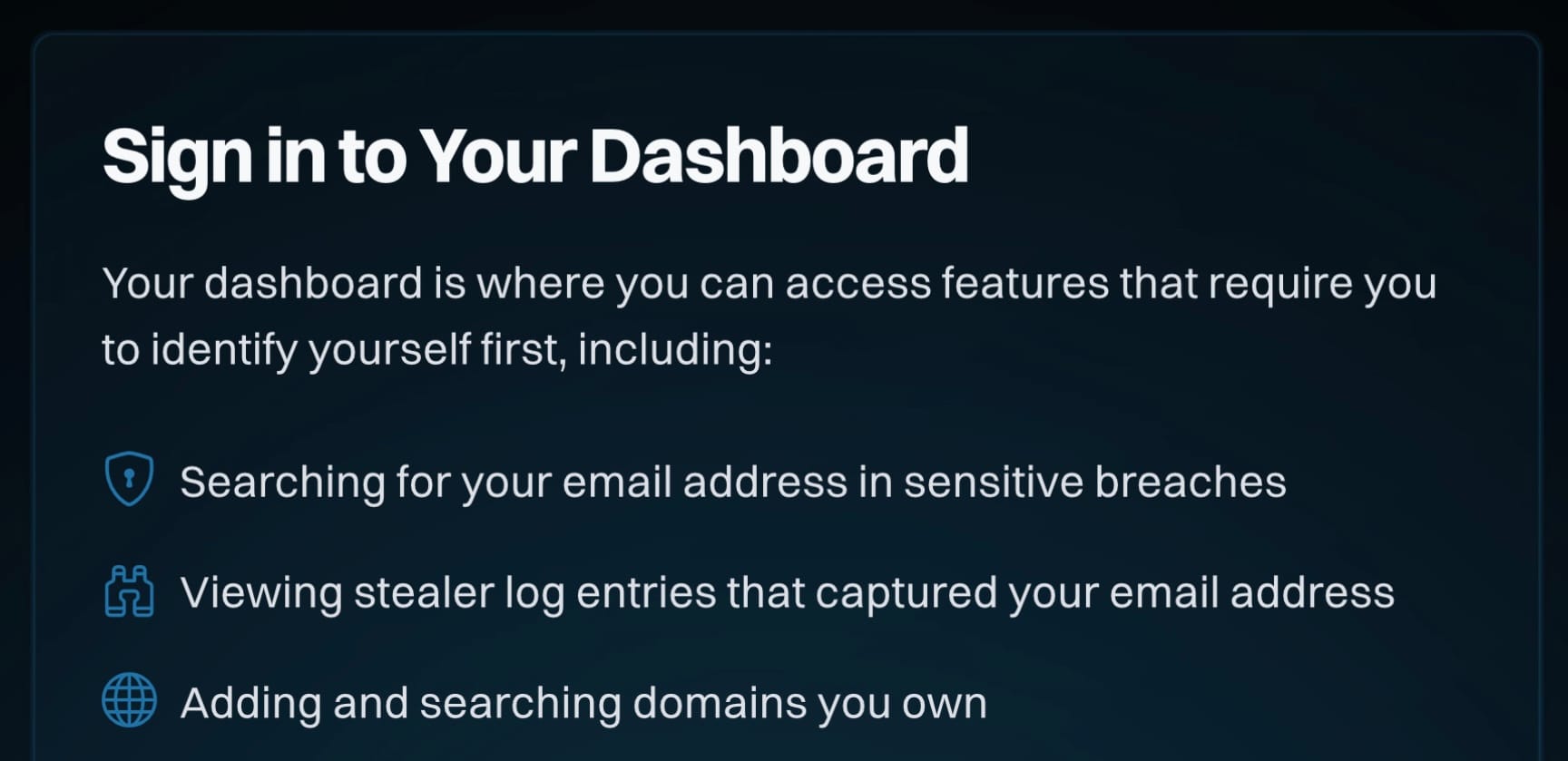
How do seemingly little things manage to consume so much time?! We had a suggestion this week that instead of being able to login to the new HIBP website, you should instead be able to log in. This initially confused me because I've been used to logging on to things for decades:
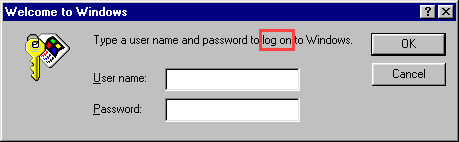
You'll Soon Be Able to Sign in to Have I Been Pwned (but Not Login, Log in or Log On)

So, I went and signed in (yep, different again) to X and asked the masses what the correct term was:

When accessing your @haveibeenpwned dashboard, which of the following should you do? Preview screen for reference: https://t.co/9gqfr8hZrY

β€” Troy Hunt (@troyhunt) April 23, 2025

Which didn't result in a conclusive victor, so, I started browsing around.

Cloudflare's Zero Trust docs contain information about customising the login page, which I assume you can do once you log in:
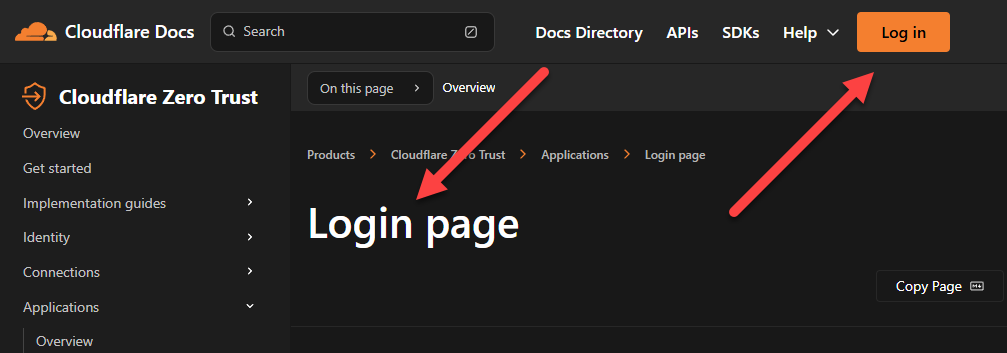
You'll Soon Be Able to Sign in to Have I Been Pwned (but Not Login, Log in or Log On)

Another, uh, "popular" site prompts you to log in:
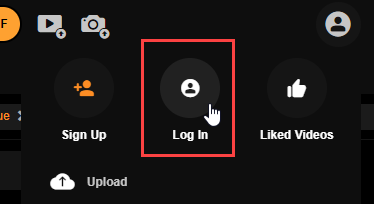
You'll Soon Be Able to Sign in to Have I Been Pwned (but Not Login, Log in or Log On)

After which you're invited to sign in:

You'll Soon Be Able to Sign in to Have I Been Pwned (but Not Login, Log in or Log On)

You can log in to Canva, which is clearly indicated by the HTML title, which suggests you're on the login page:
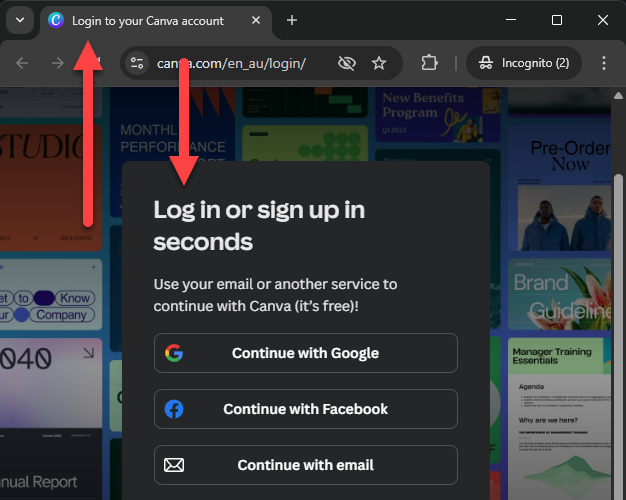
You'll Soon Be Able to Sign in to Have I Been Pwned (but Not Login, Log in or Log On)

You can log on to the Commonwealth Bank down here in Australia:

You'll Soon Be Able to Sign in to Have I Been Pwned (but Not Login, Log in or Log On)

But the login page for ANZ bank requires to log in, unless you've forgotten your login details:
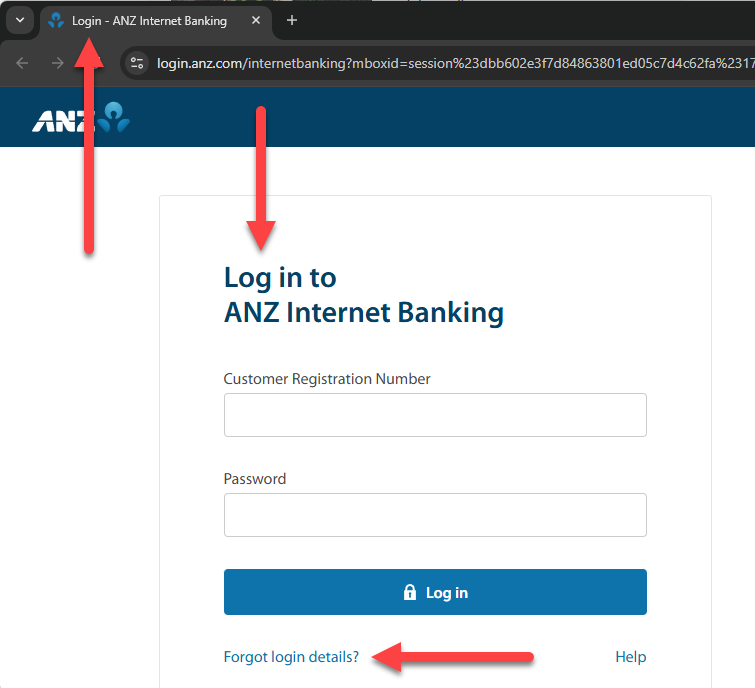
You'll Soon Be Able to Sign in to Have I Been Pwned (but Not Login, Log in or Log On)

Ah, but many of these are just the difference between the noun "login" (the page is a thing) and the verb "log in" (when you perform an action), right? Well... depends who you bank with πŸ€·β€β™‚οΈ

You'll Soon Be Able to Sign in to Have I Been Pwned (but Not Login, Log in or Log On)

And maybe you don't log in or login at all:
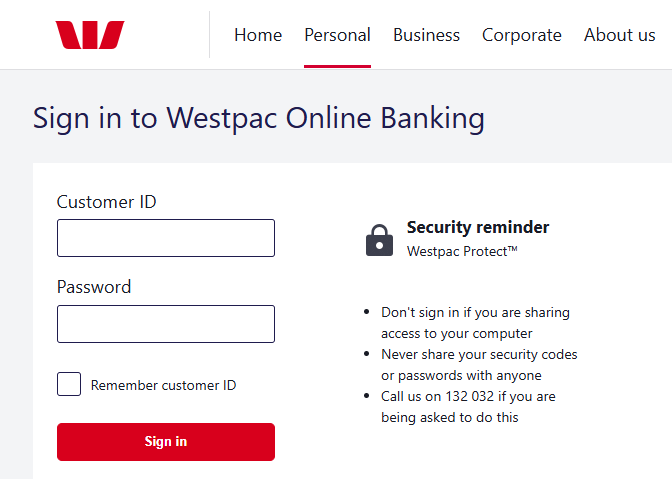
You'll Soon Be Able to Sign in to Have I Been Pwned (but Not Login, Log in or Log On)

Finally, from the darkness of seemingly interchangeable terms that may or may not violate principles of English language, emerged a pattern. You also sign in to Google:

You'll Soon Be Able to Sign in to Have I Been Pwned (but Not Login, Log in or Log On)

And Microsoft:

You'll Soon Be Able to Sign in to Have I Been Pwned (but Not Login, Log in or Log On)

And Amazon:

You'll Soon Be Able to Sign in to Have I Been Pwned (but Not Login, Log in or Log On)

And Yahoo:

You'll Soon Be Able to Sign in to Have I Been Pwned (but Not Login, Log in or Log On)

And, as I mentioned earlier, X:

You'll Soon Be Able to Sign in to Have I Been Pwned (but Not Login, Log in or Log On)

And now, Have I Been Pwned:

You'll Soon Be Able to Sign in to Have I Been Pwned (but Not Login, Log in or Log On)

There are some notable exceptions (Facebook and ChatGPT, for example), but "sign in" did emerge as the frontrunner among the world's most popular sites. If I really start to overthink it, I do feel that "log[whatever]" implies something different to why we authenticate to systems today and is more a remnant of a bygone era. But frankly, that argument is probably no more valid than whether you're doing a verb thing or a noun thing.

☐ β˜† βœ‡ The Hacker News

Update Chrome Browser Now: 4th Zero-Day Exploit Discovered in May 2024

By: Newsroom β€” May 24th 2024 at 10:10
Google on Thursday rolled out fixes to address a high-severity security flaw in its Chrome browser that it said has been exploited in the wild. Assigned the CVE identifier CVE-2024-5274, the vulnerability relates to a type confusion bug in the V8 JavaScript and WebAssembly engine. It was reported by ClΓ©ment Lecigne of Google's Threat Analysis Group and Brendon Tiszka of
☐ β˜† βœ‡ The Hacker News

Rockwell Advises Disconnecting Internet-Facing ICS Devices Amid Cyber Threats

By: Newsroom β€” May 22nd 2024 at 12:21
Rockwell Automation is urging its customers to disconnect all industrial control systems (ICSs) not meant to be connected to the public-facing internet to mitigate unauthorized or malicious cyber activity. The company said it's issuing the advisory due to "heightened geopolitical tensions and adversarial cyber activity globally." To that end, customers are required to take immediate
☐ β˜† βœ‡ The Hacker News

Zoom Adopts NIST-Approved Post-Quantum End-to-End Encryption for Meetings

By: Newsroom β€” May 22nd 2024 at 04:46
Popular enterprise services provider Zoom has announced the rollout of post-quantum end-to-end encryption (E2EE) for Zoom Meetings, with support for Zoom Phone and Zoom Rooms coming in the future. "As adversarial threats become more sophisticated, so does the need to safeguard user data," the company said in a statement. "With the launch of post-quantum E2EE, we are doubling down on
☐ β˜† βœ‡ The Hacker News

Kinsing Hacker Group Exploits More Flaws to Expand Botnet for Cryptojacking

By: Newsroom β€” May 17th 2024 at 17:20
The cryptojacking group known as Kinsing has demonstrated an ability to continuously evolve and adapt, proving to be a persistent threat by swiftly integrating newly disclosed vulnerabilities to the exploit arsenal and expand its botnet. The findings come from cloud security firm Aqua, which described the threat actor as actively orchestrating illicit cryptocurrency mining
☐ β˜† βœ‡ The Hacker News

Kimsuky APT Deploying Linux Backdoor Gomir in South Korean Cyber Attacks

By: Newsroom β€” May 17th 2024 at 08:46
The Kimsuky (aka Springtail) advanced persistent threat (APT) group, which is linked to North Korea's Reconnaissance General Bureau (RGB), has been observed deploying a Linux version of its GoBear backdoor as part of a campaign targeting South Korean organizations. The backdoor, codenamed Gomir, is "structurally almost identical to GoBear, with extensive sharing of code between
☐ β˜† βœ‡ The Hacker News

Ebury Botnet Malware Compromises 400,000 Linux Servers Over Past 14 Years

By: Newsroom β€” May 15th 2024 at 10:56
A malware botnet called Ebury is estimated to have compromised 400,000 Linux servers since 2009, out of which more than 100,000 were still compromised as of late 2023. The findings come from Slovak cybersecurity firm ESET, which characterized it as one of the most advanced server-side malware campaigns for financial gain. "Ebury actors have been pursuing monetization activities [...],
☐ β˜† βœ‡ The Hacker News

Fortinet Rolls Out Critical Security Patches for FortiClientLinux Vulnerability

By: Newsroom β€” April 11th 2024 at 05:23
Fortinet has released patches to address a critical security flaw impacting FortiClientLinux that could be exploited to achieve arbitrary code execution. Tracked as CVE-2023-45590, the vulnerability carries a CVSS score of 9.4 out of a maximum of 10. "An Improper Control of Generation of Code ('Code Injection') vulnerability [CWE-94] in FortiClientLinux may allow an unauthenticated attacker to
☐ β˜† βœ‡ The Hacker News

Researchers Uncover First Native Spectre v2 Exploit Against Linux Kernel

By: Newsroom β€” April 10th 2024 at 09:26
Cybersecurity researchers have disclosed what they say is the "first native Spectre v2 exploit" against the Linux kernel on Intel systems that could be exploited to read sensitive data from the memory. The exploit, called Native Branch History Injection (BHI), can be used to leak arbitrary kernel memory at 3.5 kB/sec by bypassing existing Spectre v2/BHI mitigations, researchers from Systems and
☐ β˜† βœ‡ The Hacker News

Urgent: Secret Backdoor Found in XZ Utils Library, Impacts Major Linux Distros

By: Newsroom β€” March 30th 2024 at 05:23
Red Hat on Friday released an "urgent security alert" warning that two versions of a popular data compression library called XZ Utils (previously LZMA Utils) have been backdoored with malicious code designed to allow unauthorized remote access. The software supply chain compromise, tracked as CVE-2024-3094, has a CVSS score of 10.0, indicating maximum severity. It impacts XZ Utils
☐ β˜† βœ‡ The Hacker News

New Linux Bug Could Lead to User Password Leaks and Clipboard Hijacking

By: Newsroom β€” March 29th 2024 at 10:49
Details have emerged about a vulnerability impacting the "wall" command of the util-linux package that could be potentially exploited by a bad actor to leak a user's password or alter the clipboard on certain Linux distributions. The bug, tracked as CVE-2024-28085, has been codenamed WallEscape by security researcher Skyler Ferrante. It has been described as a case of improper
☐ β˜† βœ‡ The Hacker News

Linux Version of DinodasRAT Spotted in Cyber Attacks Across Several Countries

By: Newsroom β€” March 28th 2024 at 17:02
A Linux version of a multi-platform backdoor called DinodasRAT has been detected in the wild targeting China, Taiwan, Turkey, and Uzbekistan, new findings from Kaspersky reveal. DinodasRAT, also known as XDealer, is a C++-based malware that offers the ability to harvest a wide range of sensitive data from compromised hosts. In October 2023, Slovak cybersecurity firm ESET&nbsp
☐ β˜† βœ‡ The Hacker News

Russian Hackers May Have Targeted Ukrainian Telecoms with Upgraded 'AcidPour' Malware

By: Newsroom β€” March 22nd 2024 at 03:06
The data wiping malware called AcidPour may have been deployed in attacks targeting four telecom providers in Ukraine, new findings from SentinelOne show. The cybersecurity firm also confirmed connections between the malware and AcidRain, tying it to threat activity clusters associated with Russian military intelligence. "AcidPour's expanded capabilities would enable it to better
☐ β˜† βœ‡ The Hacker News

Suspected Russian Data-Wiping 'AcidPour' Malware Targeting Linux x86 Devices

By: Newsroom β€” March 19th 2024 at 09:59
A new variant of a data wiping malware called AcidRain has been detected in the wild that's specifically designed for targeting Linux x86 devices. The malware, dubbed AcidPour, is compiled for Linux x86 devices, SentinelOne's Juan Andres Guerrero-Saade said in a series of posts on X. "The new variant [...] is an ELF binary compiled for x86 (not MIPS) and while it refers to similar devices/
☐ β˜† βœ‡ The Hacker News

New BIFROSE Linux Malware Variant Using Deceptive VMware Domain for Evasion

By: Newsroom β€” March 1st 2024 at 10:56
Cybersecurity researchers have discovered a new Linux variant of a remote access trojan (RAT) called BIFROSE (aka Bifrost) that uses a deceptive domain mimicking VMware. "This latest version of Bifrost aims to bypass security measures and compromise targeted systems," Palo Alto Networks Unit 42 researchers Anmol Maurya and Siddharth Sharma said. BIFROSE is one of the long-standing
☐ β˜† βœ‡ The Hacker News

GTPDOOR Linux Malware Targets Telecoms, Exploiting GPRS Roaming Networks

By: Newsroom β€” February 29th 2024 at 11:33
Threat hunters have discovered a new Linux malware called GTPDOOR that’s designed to be deployed in telecom networks that are adjacent to GPRS roaming exchanges (GRX) The malware is novel in the fact that it leverages the GPRS Tunnelling Protocol (GTP) for command-and-control (C2) communications. GPRS roaming allows subscribers to access their GPRS services while they are
☐ β˜† βœ‡ The Hacker News

FBI Warns U.S. Healthcare Sector of Targeted BlackCat Ransomware Attacks

By: Newsroom β€” February 28th 2024 at 13:06
The U.S. government is warning about the resurgence of BlackCat (aka ALPHV) ransomware attacks targeting the healthcare sector as recently as this month. "Since mid-December 2023, of the nearly 70 leaked victims, the healthcare sector has been the most commonly victimized," the government said in an updated advisory. "This is likely in response to the ALPHV/BlackCat administrator's
☐ β˜† βœ‡ The Hacker News

Open-Source Xeno RAT Trojan Emerges as a Potent Threat on GitHub

By: The Hacker News β€” February 27th 2024 at 12:56
An "intricately designed" remote access trojan (RAT) called Xeno RAT has been made available on GitHub, making it easily accessible to other actors at no extra cost. Written in C# and compatible with Windows 10 and Windows 11 operating systems, the open-source RAT comes with a "comprehensive set of features for remote system management," according to its developer, who goes by the name
☐ β˜† βœ‡ Naked Security

Linux gets double-quick double-update to fix kernel Oops!

By: Paul Ducklin β€” March 13th 2023 at 17:59
Linux doesn't BSoD. It has oopses and panics instead. (We show you how to make a kernel module to explore further.)

☐ β˜† βœ‡ Naked Security

Serious Security: How to improve cryptography, resist supply chain attacks, and handle data breaches

By: Paul Ducklin β€” January 4th 2023 at 19:50
Lessons for us all: improve cryptography, fight cybercrime, own your supply chain... and don't steal my data and then pretend you're sorry.

☐ β˜† βœ‡ Naked Security

PyTorch: Machine Learning toolkit pwned from Christmas to New Year

By: Paul Ducklin β€” January 1st 2023 at 21:36
The bad news: the crooks have your SSH private keys. The good news: only users of the "nightly" build were affected.

☐ β˜† βœ‡ Naked Security

β€œDirty Pipe” Linux kernel bug lets anyone write to any file

By: Paul Ducklin β€” March 8th 2022 at 17:37
Even read-only files can be written to, leading to a dangerously general purpose elevation-of-privilege attack.

pipe-1200

☐ β˜† βœ‡ Naked Security

Linux kernel patches β€œperformance can be harmful” bug in video driver

By: Paul Ducklin β€” February 1st 2022 at 17:59
This bug is fiendishly hard to exploit - but if you patch, it won't be there to exploit at all.

☐ β˜† βœ‡ Naked Security

β€œPwnKit” security bug gets you root on most Linux distros – what to do

By: Paul Ducklin β€” January 26th 2022 at 17:58
An elevation of privilege bug that could let a "mostly harmless" user give themselves a instant root shell

☐ β˜† βœ‡ Naked Security

Serious Security: Linux full-disk encryption bug fixed – patch now!

By: Paul Ducklin β€” January 14th 2022 at 17:58
Imagine if someone who didn't have your password could sneakily modify data that was encrypted with it.

❌